
Information:Heavy Traffic and High Visitation Alert
Details
Pinnacles National Park

Pinnacles

Moderate California

Overview

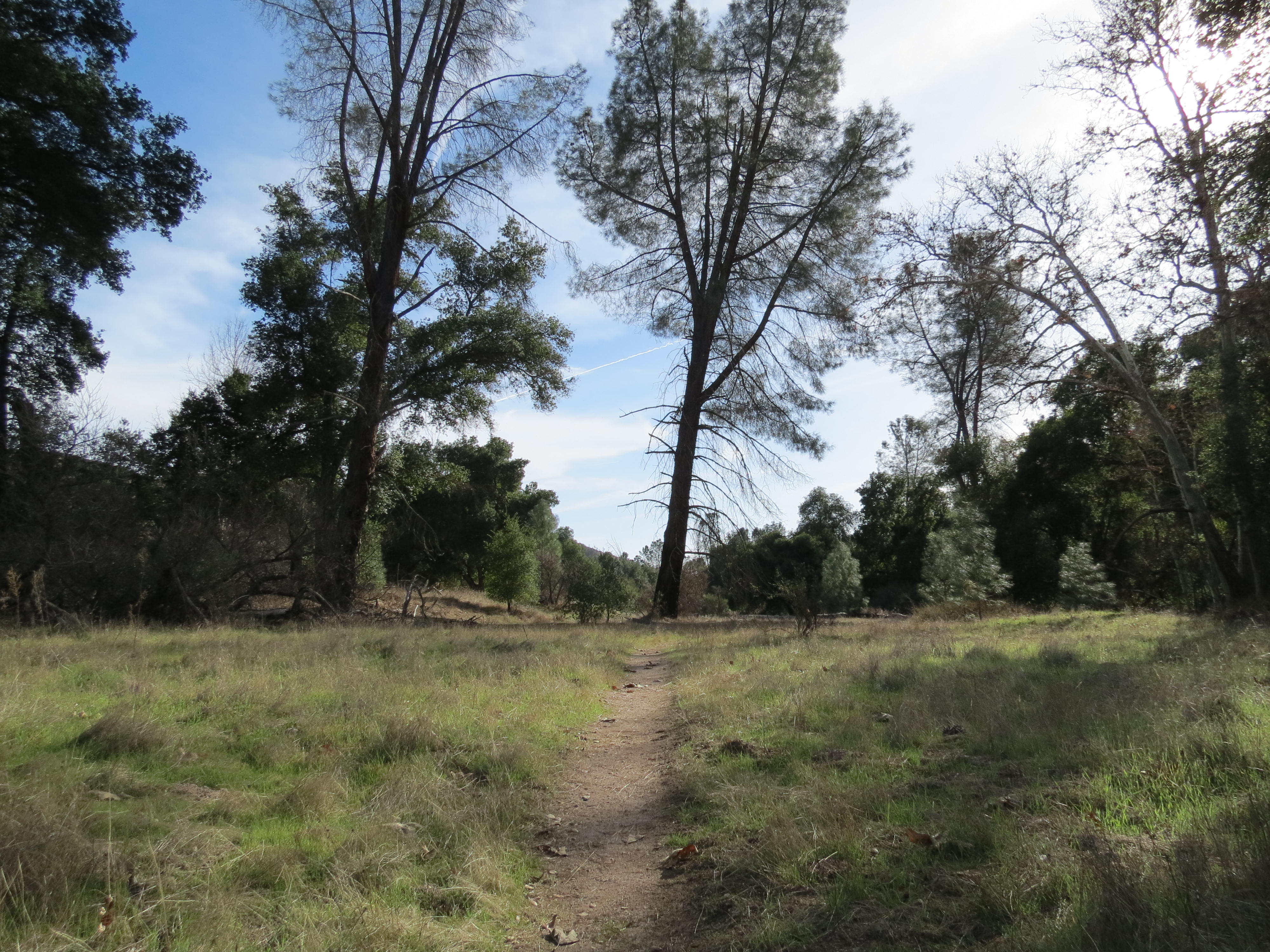
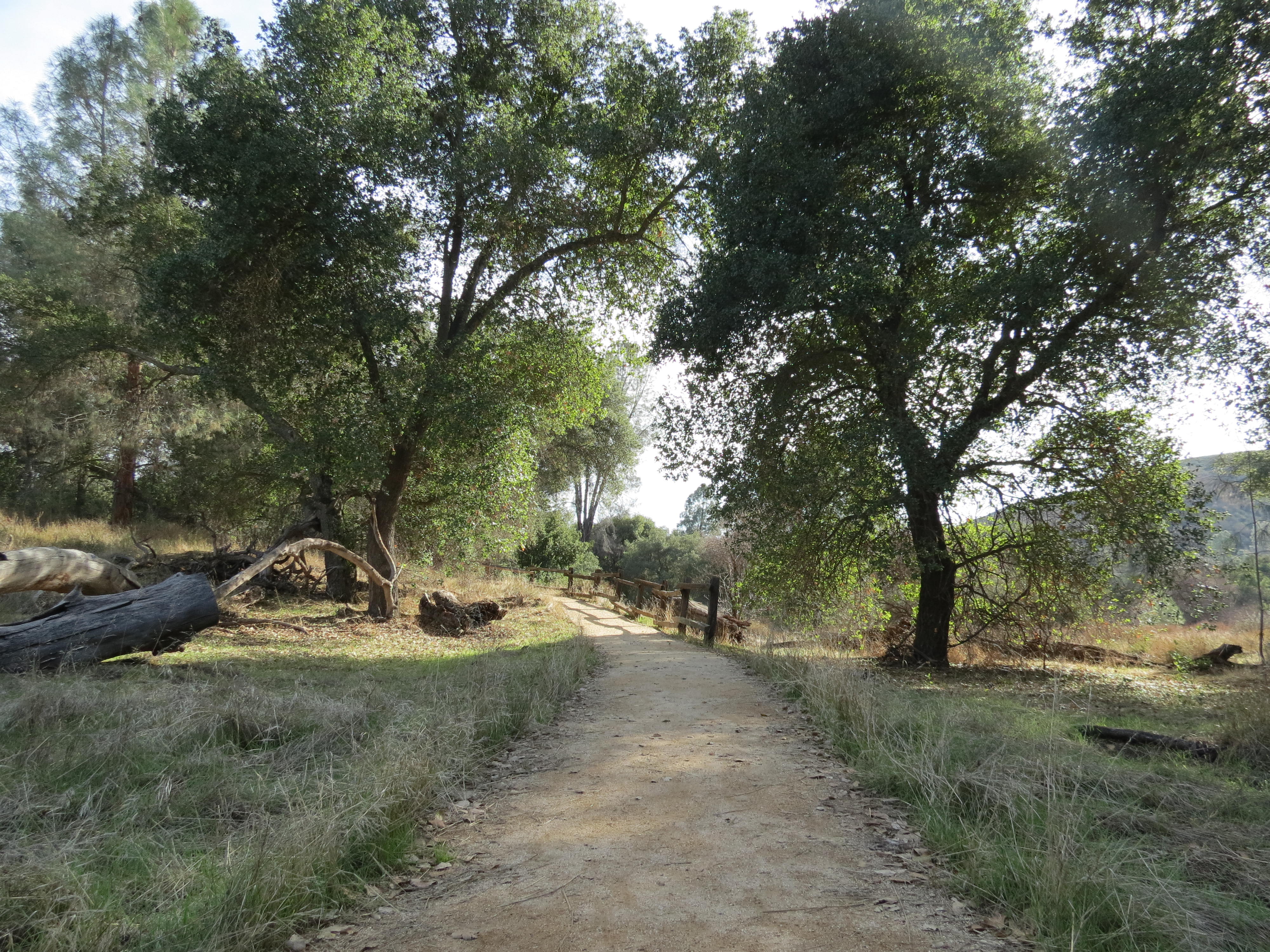
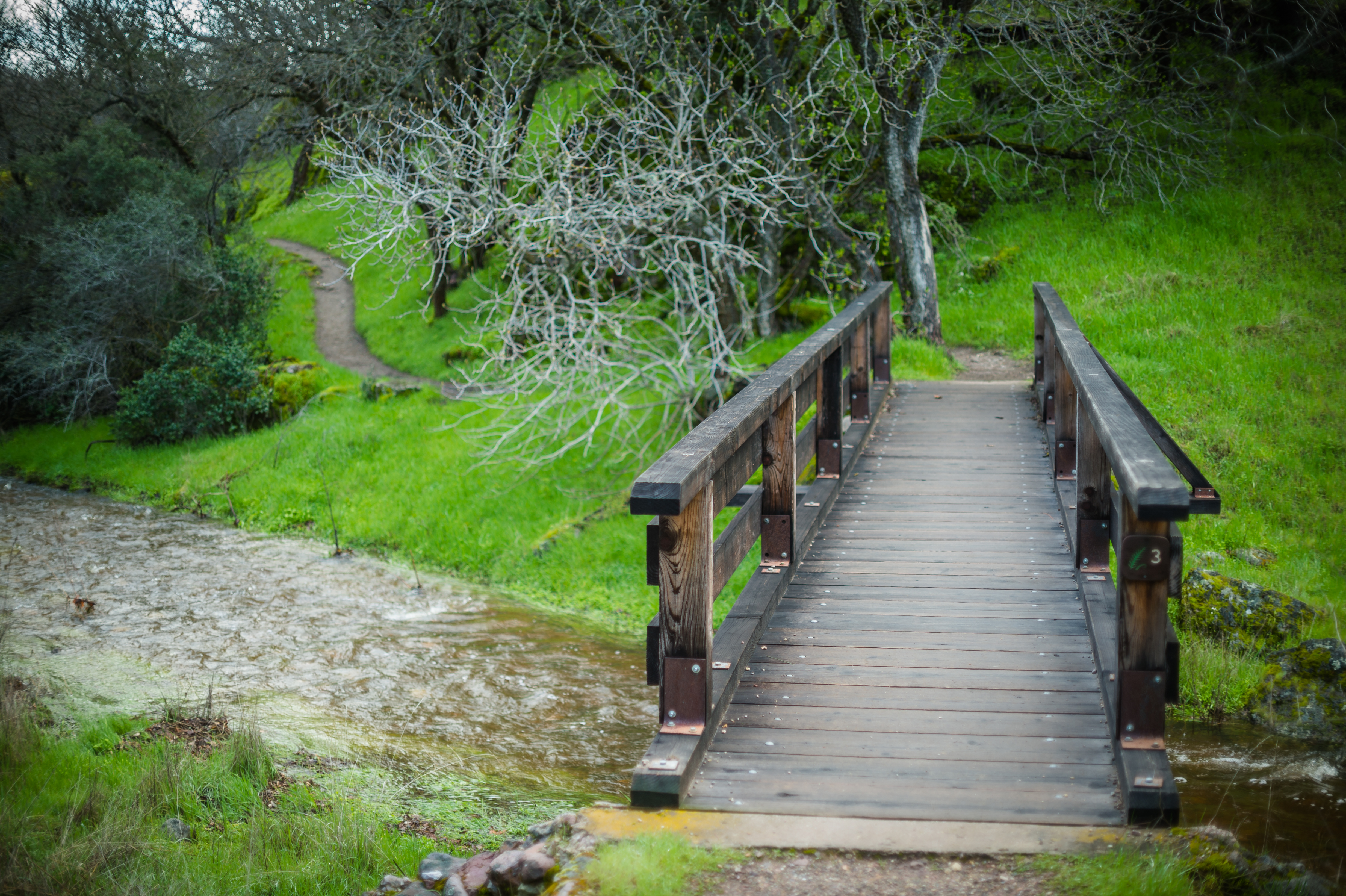
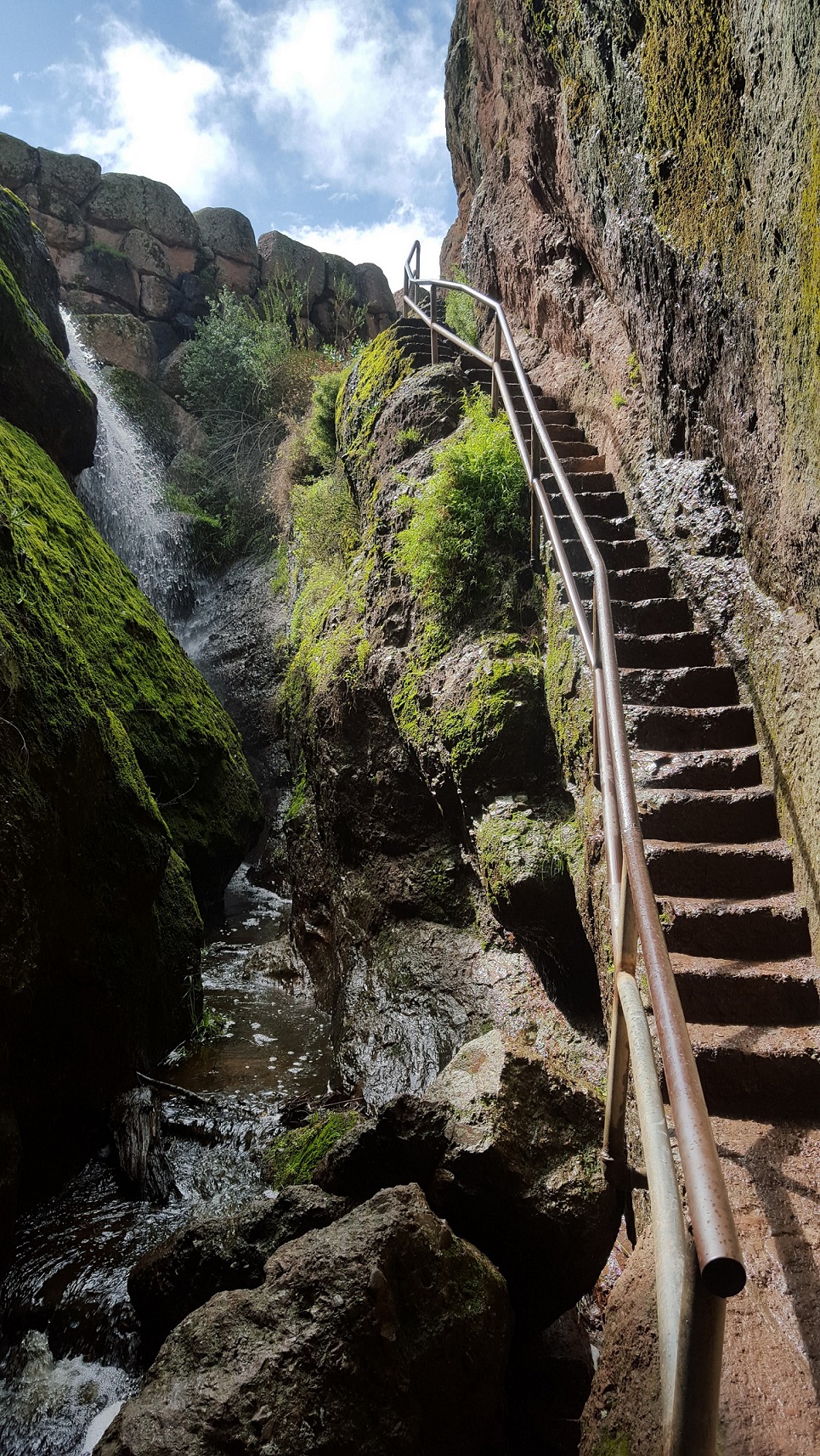
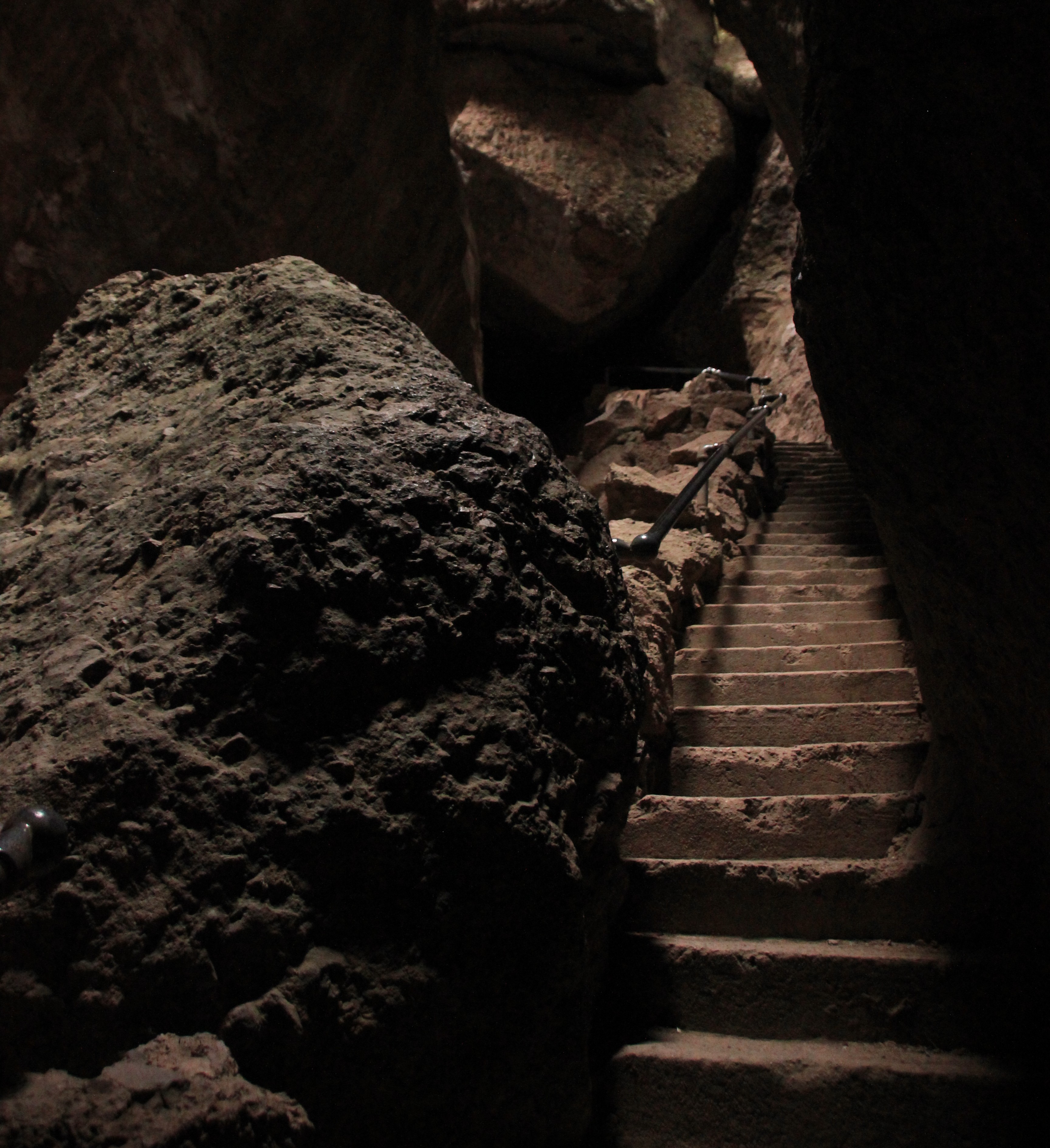
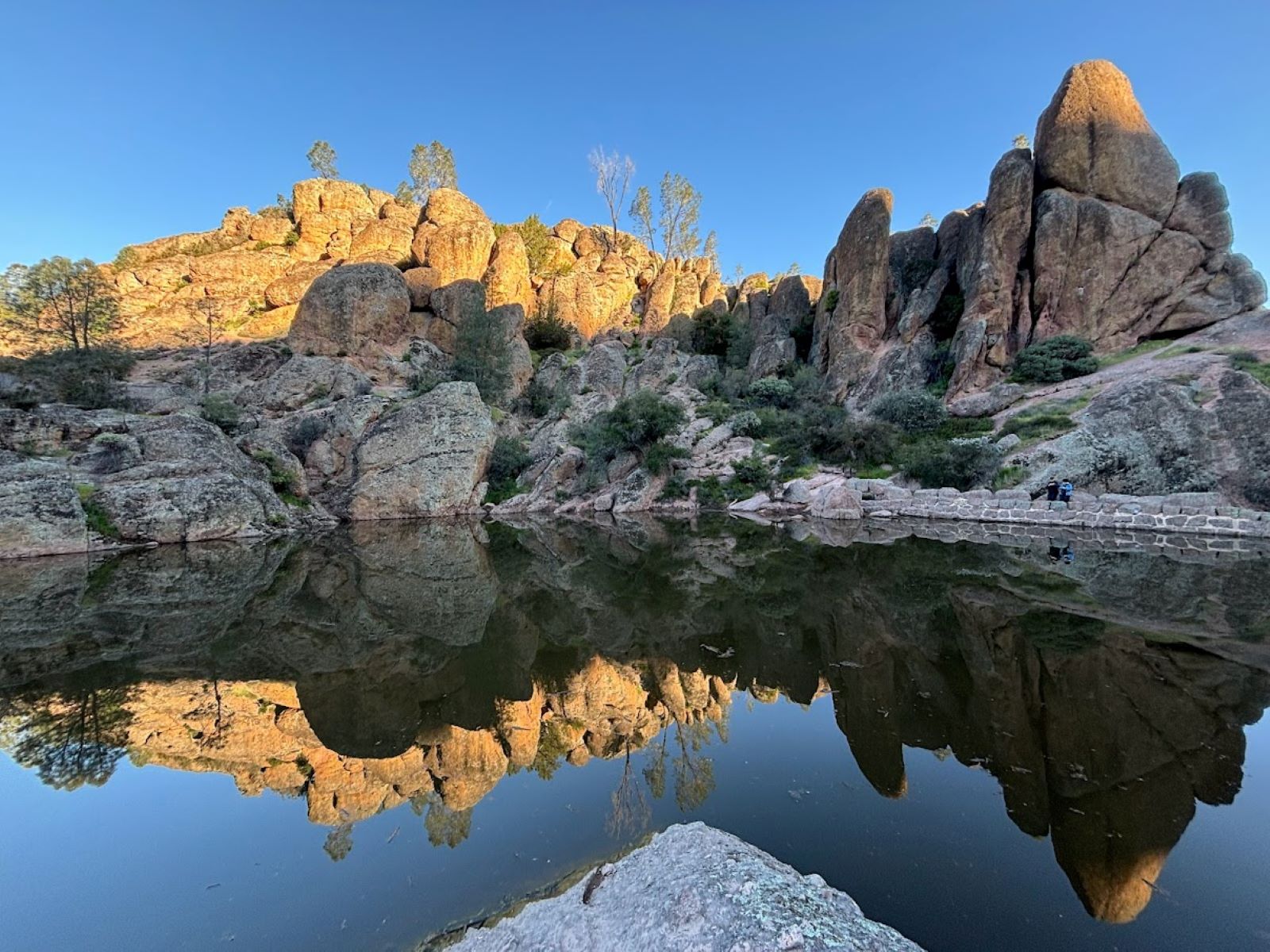
Pinnacles National Park protects the eroded remnants of an ancient volcano that formed 23 million years ago over 200 miles to the southeast, near what is now Lancaster, California. Tectonic movement along the San Andreas Fault carried the volcanic rocks northwest to their present location in the Gabilan Range, where erosion sculpted them into towering spires, crags, and talus caves. The park is compact — only 26,000 acres — but packed with dramatic rock formations, rare wildlife, and excellent trails. The park's talus caves, formed when boulders tumbled into narrow canyons and wedged together overhead, are its most unique feature. Bear Gulch Cave and Balconies Cave offer through-routes that require flashlights and some crawling through low passages where bats roost on the ceiling above. The caves occasionally close to protect a colony of Townsend's big-eared bats, so check status before planning your route. Pinnacles is one of the best places in California to spot the endangered California condor, reintroduced to the park in 2003. The High Peaks Trail, a moderately strenuous loop that weaves through the tallest rock spires with handrail-assisted steep sections, is the premier hike and a prime condor-watching route. The park has two entrances on opposite sides with no through-road, so choose the east (more facilities) or west (shorter trails) entrance based on your plans.

Things to Do

  • Hike the High Peaks Trail through rock spires
  • Explore Bear Gulch Cave with a flashlight
  • Walk through Balconies Cave
  • Spot endangered California condors soaring above the peaks
  • Rock climb on volcanic breccia formations
  • Hike the Condor Gulch to High Peaks loop
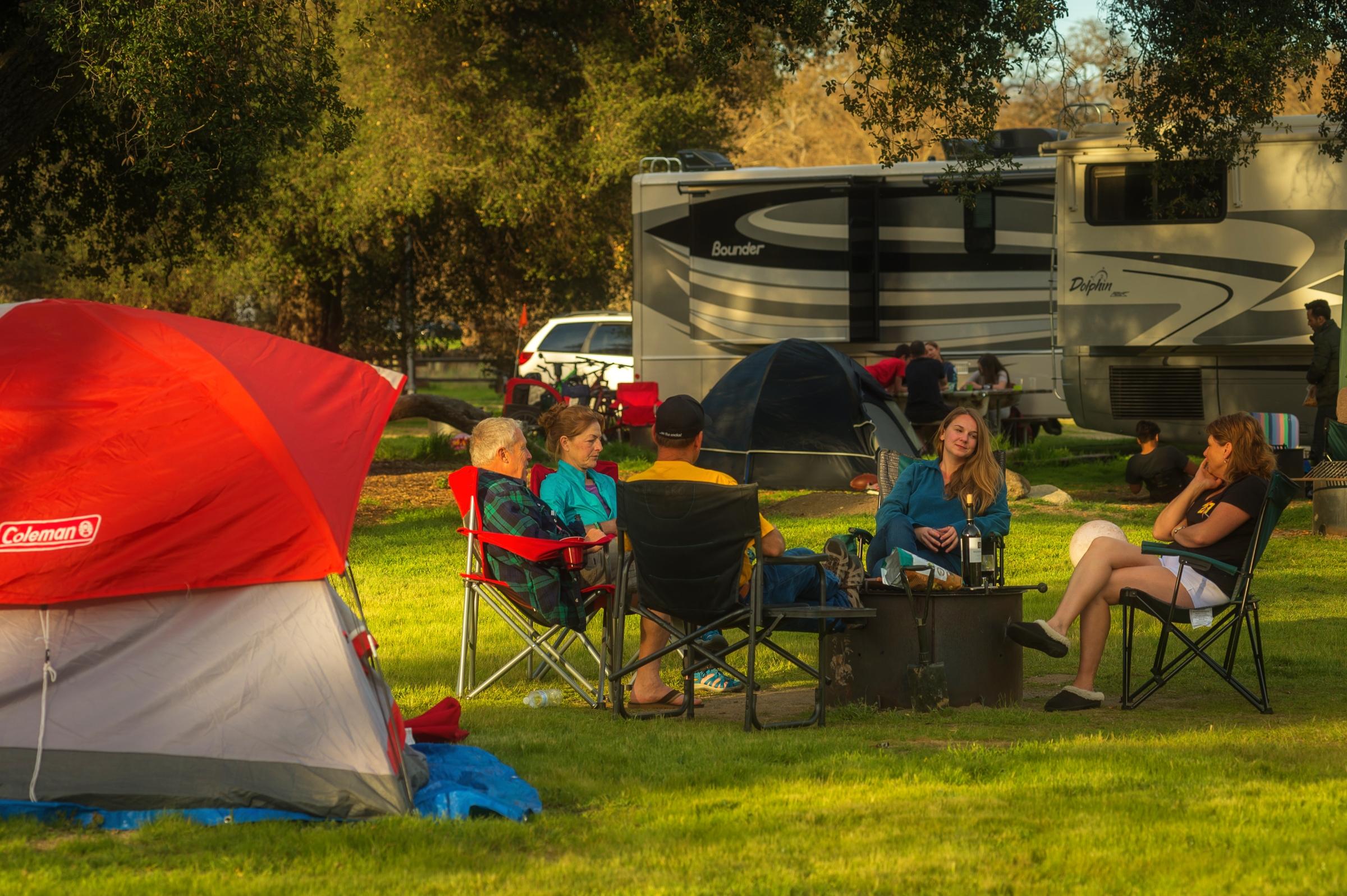
Campers gathered around a fire ring in spring

Pinnacles Campground

Sites available

RestroomsShowersWater

Wildlife

Keep an eye out for these animals during your visit:

California Condor Prairie Falcon Bobcat Acorn Woodpecker Townsend's Big-eared Bat Western Rattlesnake

Pro Tips

  • 💡 There is no road connecting the east and west entrances — pick one side and plan your hikes accordingly
  • 💡 Bear Gulch Cave closes seasonally to protect bat colonies; check the park website for current access
  • 💡 Bring a headlamp for the caves — they are genuinely dark and require crawling in spots
  • 💡 Spring (February-May) is wildflower season and the best time to visit before summer heat sets in
  • 💡 The High Peaks can exceed 100°F in summer — hike early morning or visit in spring/fall

Weather & Best Time to Visit

Mediterranean climate with hot, dry summers exceeding 100°F and mild, wet winters. Spring is ideal with wildflowers and comfortable temperatures. Fog can cool mornings year-round.

Best seasons: Spring, Fall