Park Closure:Hurricane Ridge Road Status 4/16/26
Park Closure:Staircase, Adjacent Wilderness Areas Closed due to Bear Gulch Fire Impacts
Details
Information:Graves Creek Road Closed Until Repairs Complete
+1 more alerts
Olympic National Park

Olympic

Moderate Washington

Overview

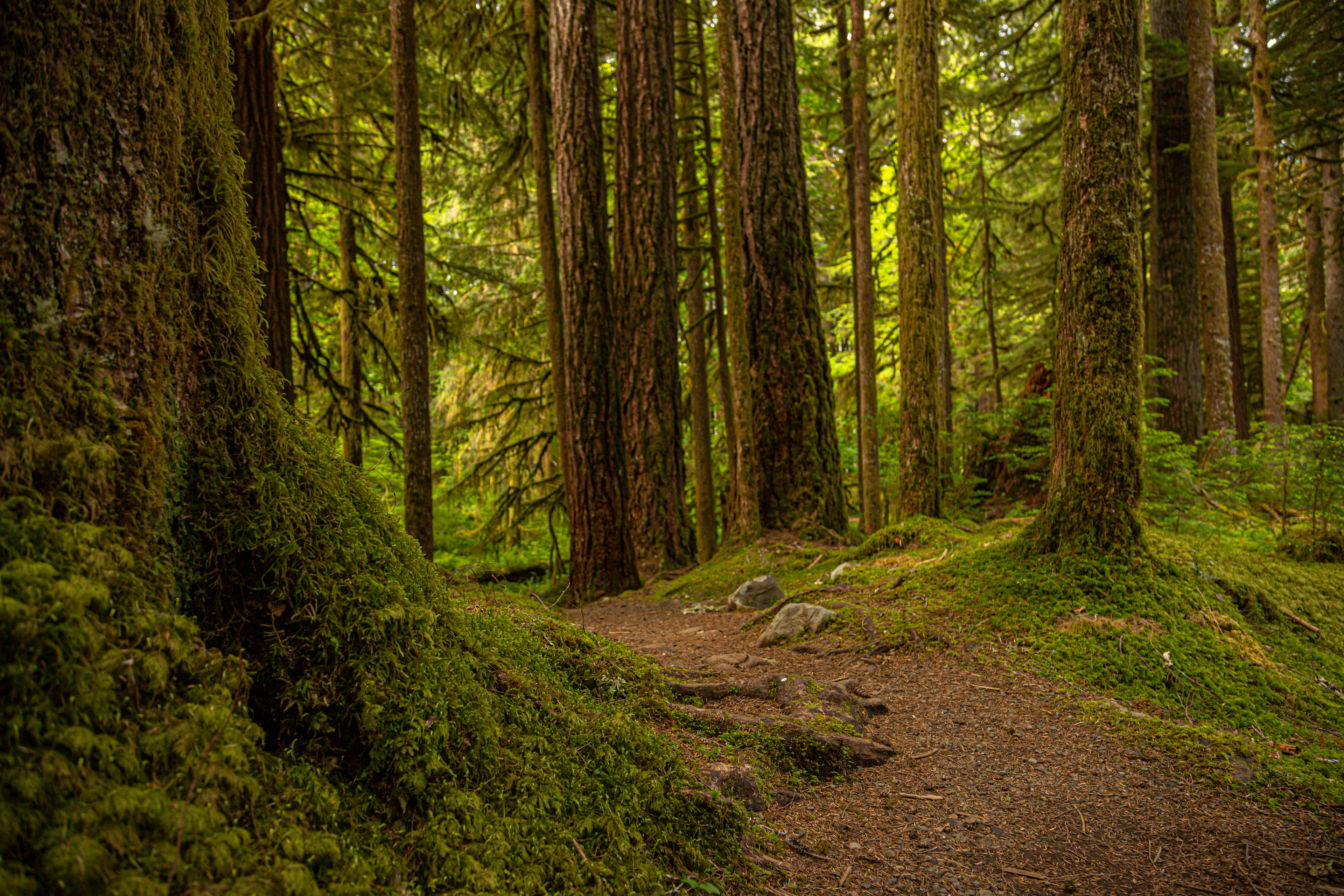
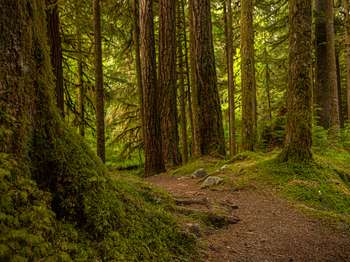
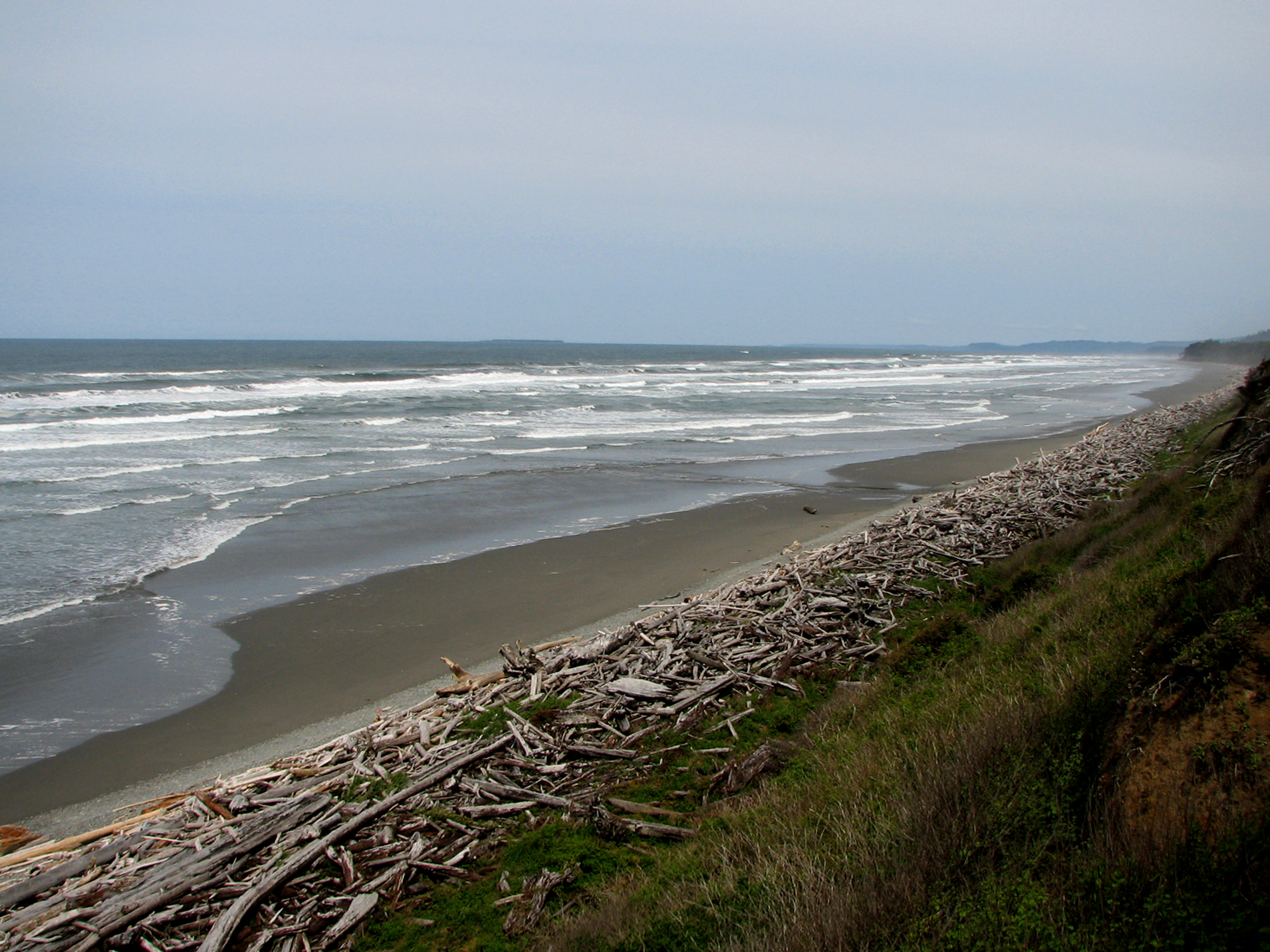
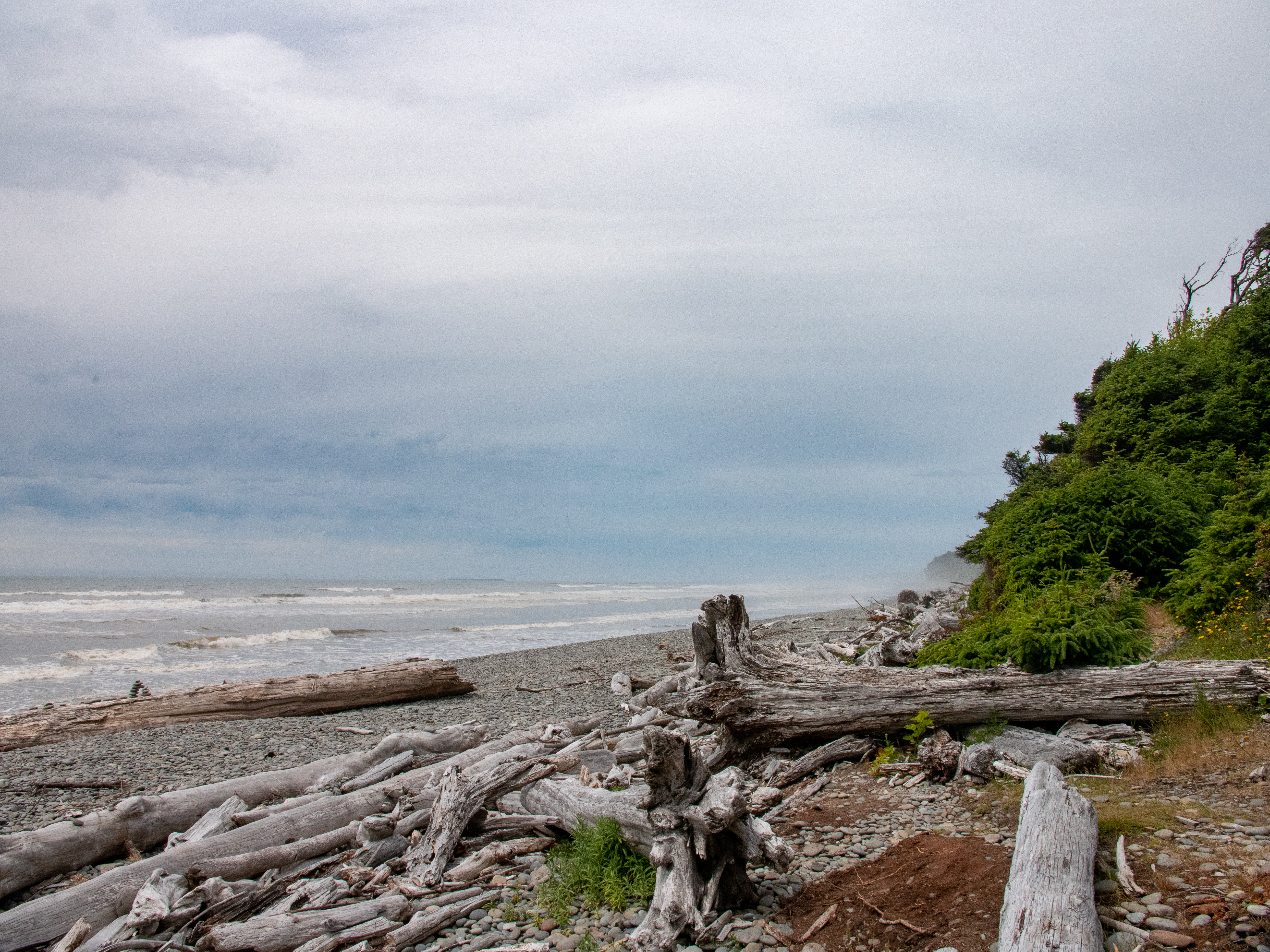
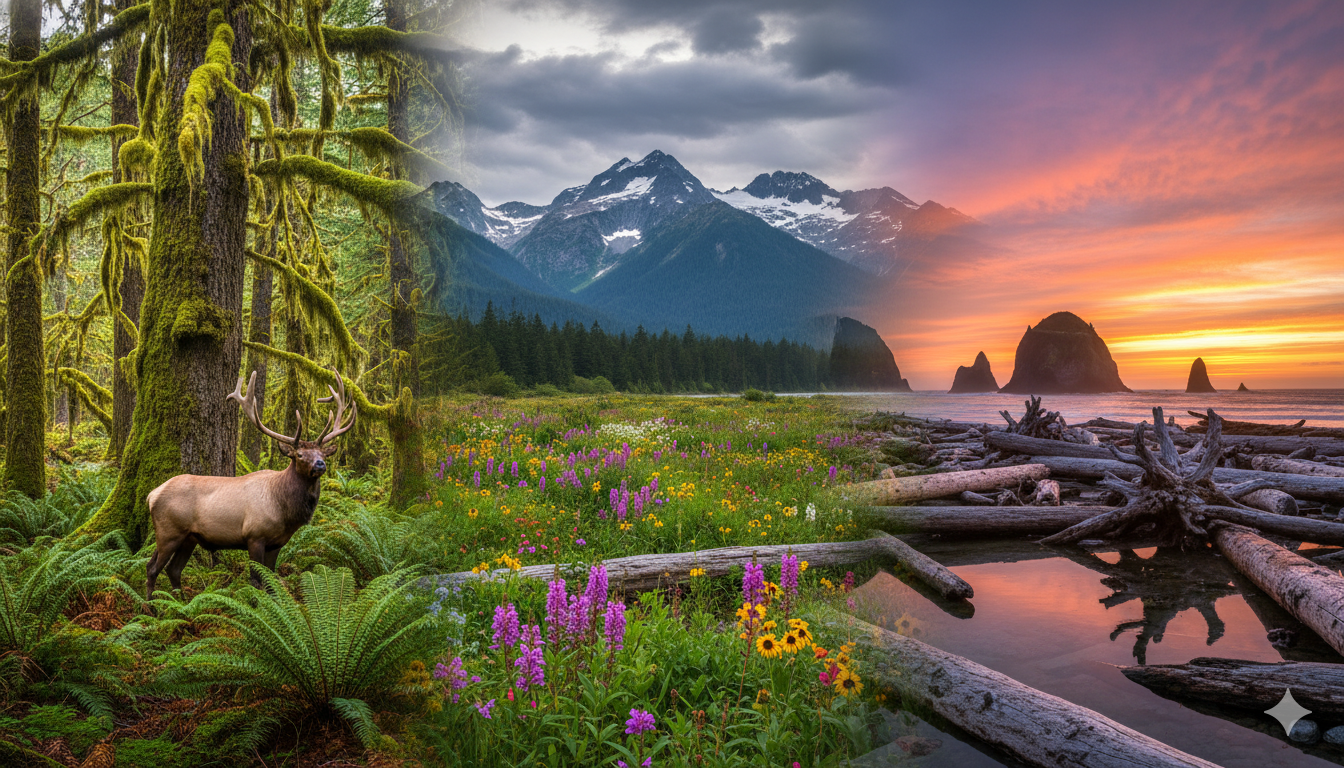
Olympic National Park on Washington's peninsula protects three dramatically different ecosystems within its boundaries: glacier-capped mountains rising to nearly 8,000 feet, the wildest remaining stretch of Pacific coastline in the lower 48, and temperate rainforest valleys receiving up to 170 inches of rain per year. This diversity earned the park both UNESCO World Heritage and International Biosphere Reserve status, and it remains one of the most ecologically complex parks in the system. The Hoh Rain Forest is the park's signature landscape — a cathedral of towering Sitka spruce and western hemlock draped in hanging mosses, with ferns covering every surface in shades of green that feel almost electric after rain. The Hall of Mosses Trail, a short 0.8-mile loop, immerses visitors in this primeval forest. On the coast, Rialto Beach and Second Beach offer sea stacks, tidepools, and driftwood-strewn shores where bald eagles soar overhead and sea otters play in the kelp. Hurricane Ridge, accessible by a steep mountain road from Port Angeles, delivers an alpine experience with wildflower meadows, marmot colonies, and views of Mount Olympus and its Blue Glacier on clear days. The park's radial road system means no single drive connects its different ecosystems — plan separate day trips to the rainforest, coast, and mountains, each offering a completely different world.

Things to Do

  • Walk the Hall of Mosses Trail in the Hoh Rain Forest
  • Hike to Second Beach for sea stacks and tide pools
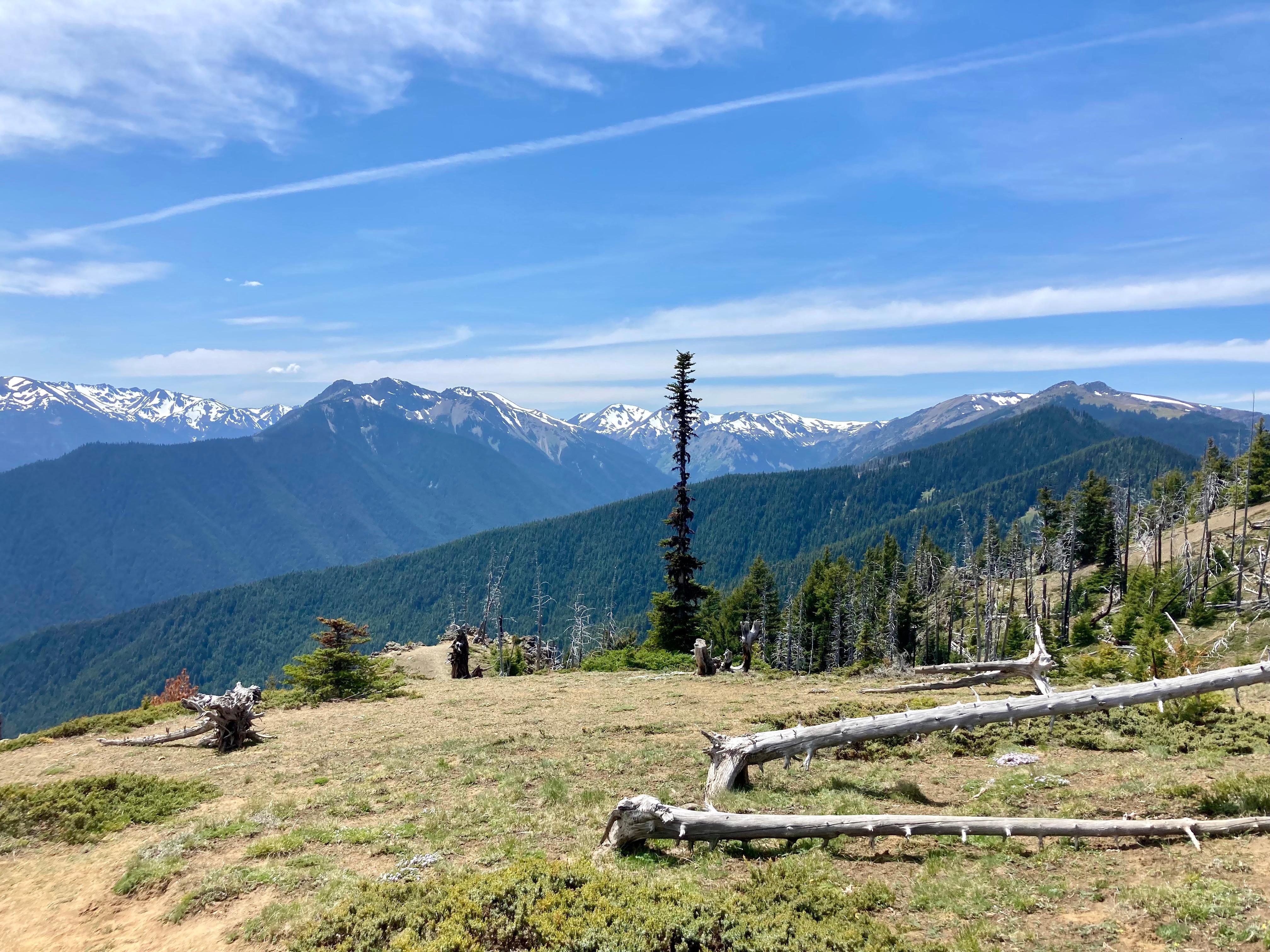
  • Drive to Hurricane Ridge for alpine views
  • Soak in Sol Duc Hot Springs
  • Backpack the Olympic coast wilderness strip
  • Hike to Marymere Falls near Lake Crescent
  • Explore the Quinault Rain Forest loop trails
  • Watch for whales from Kalaloch Beach
A view from the top of a mountain with trees and mountains in the background.

Deer Park Campground

Sites available

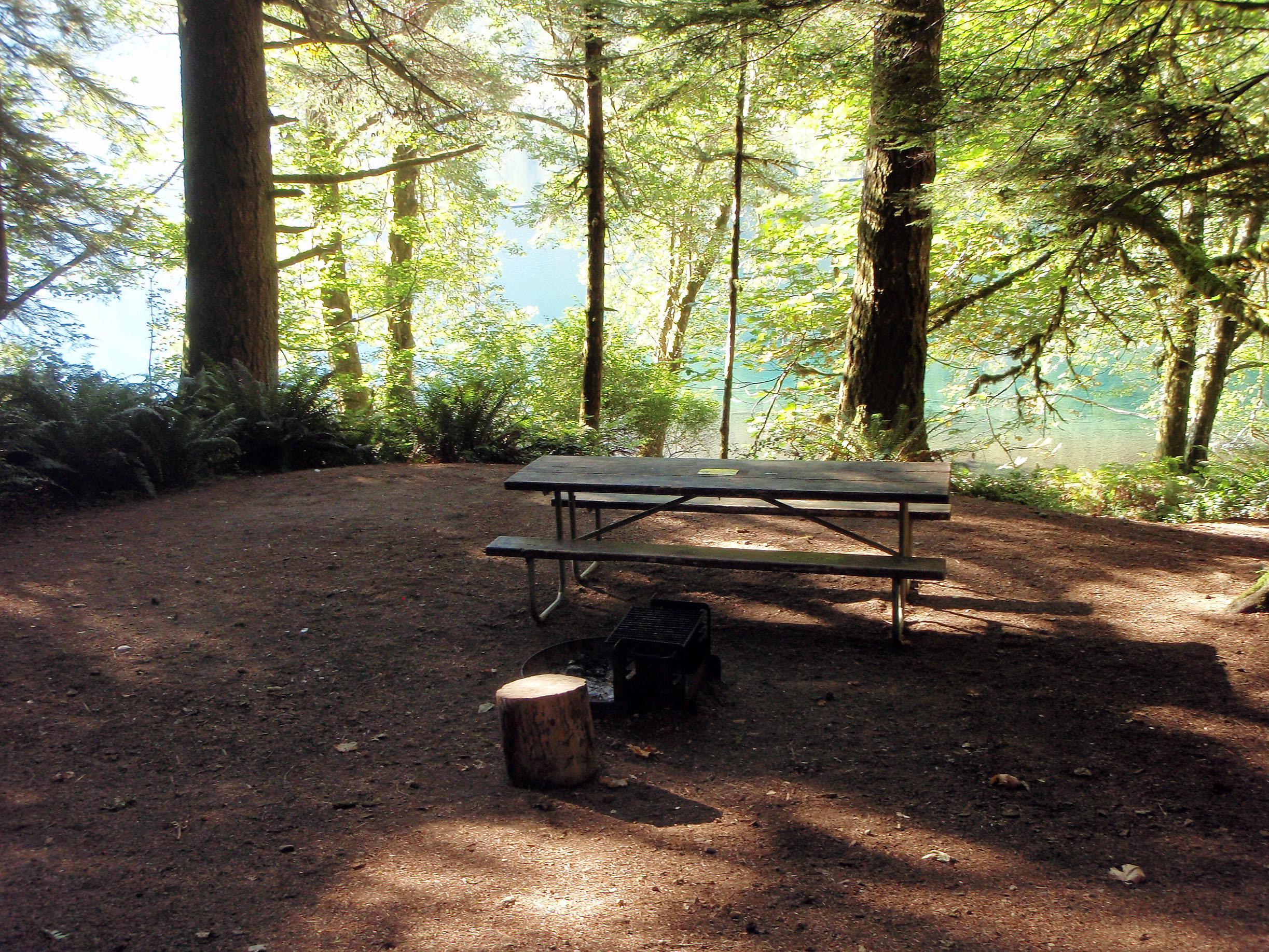
A campsite with a picnic table. Beyond the trees, glittering turquoise water.

Fairholme Campground

Sites available

RestroomsWater
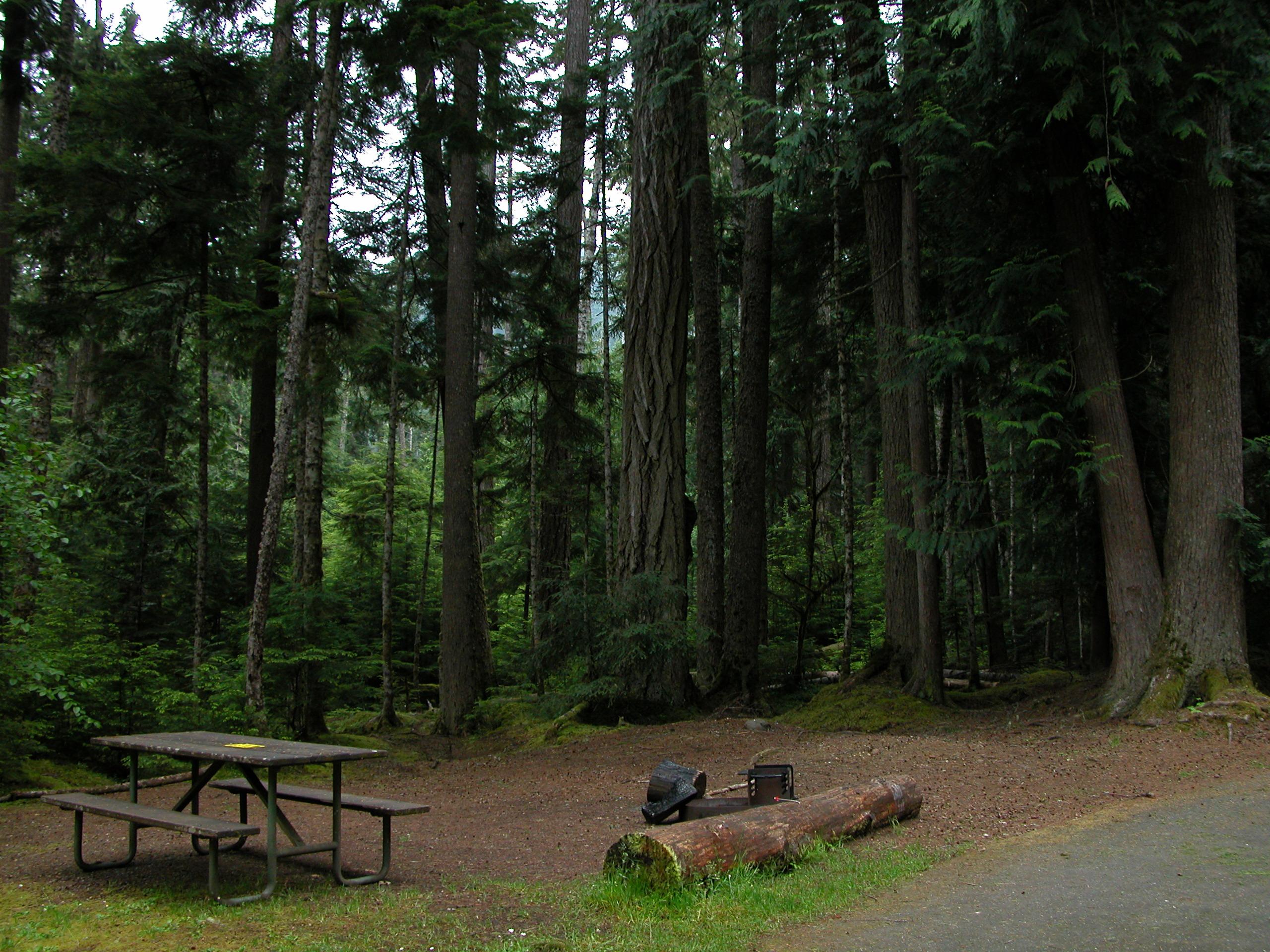
A campsite with a picnic table among tall trees.

Graves Creek Campground

Sites available

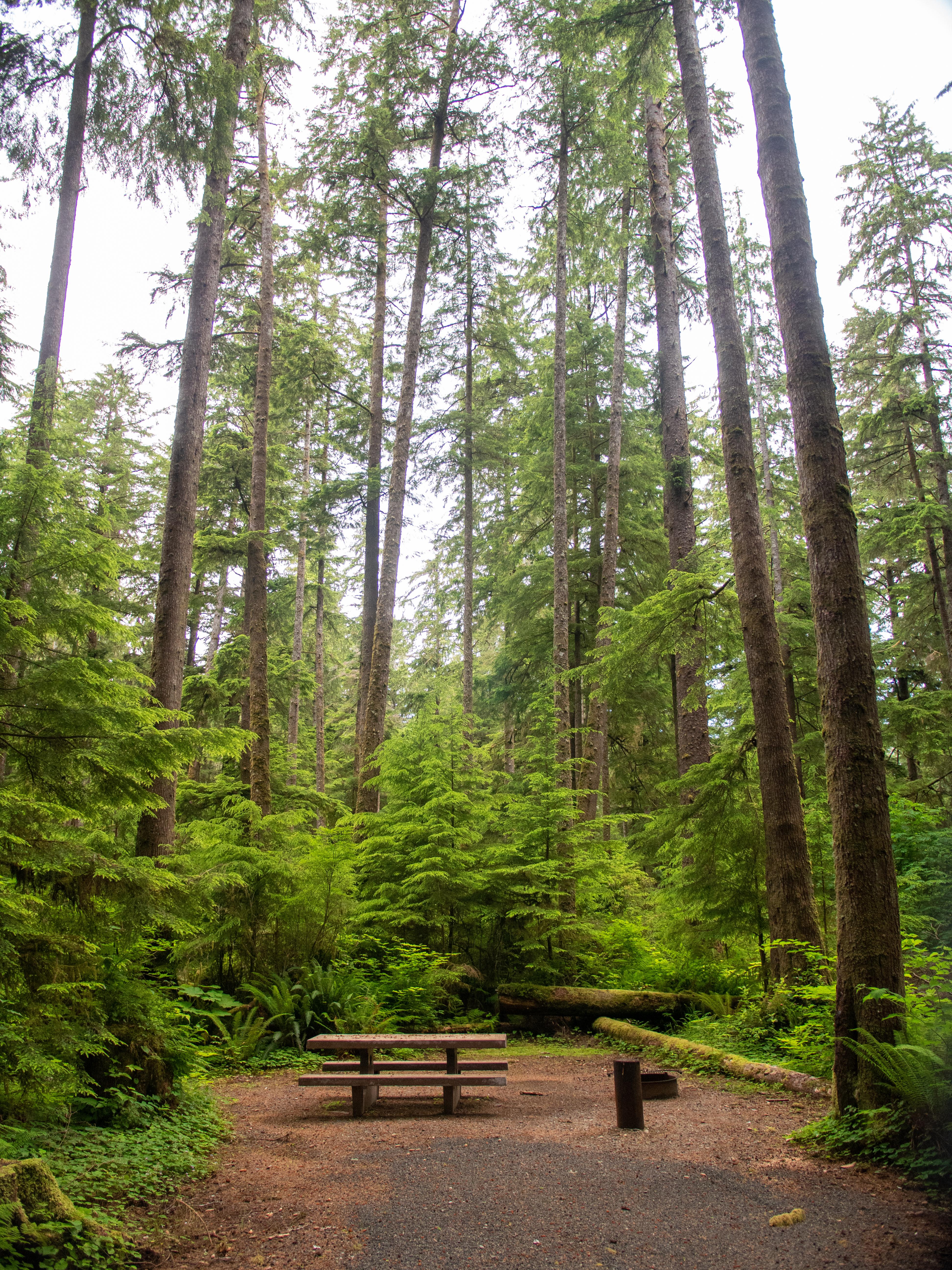
A campsite with picnic table among tall trees.

Heart O' the Hills Campground

Sites available

RestroomsWater
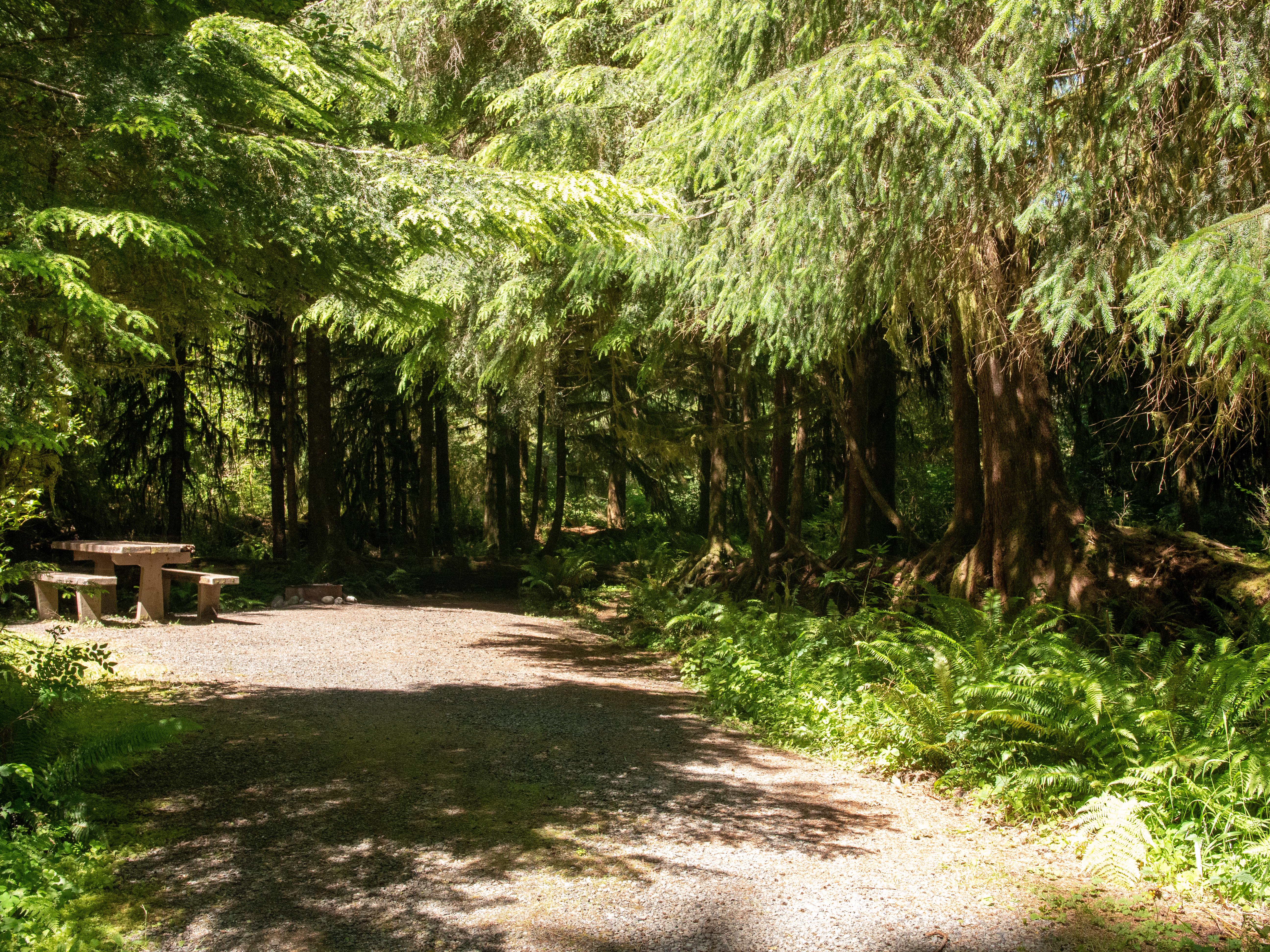
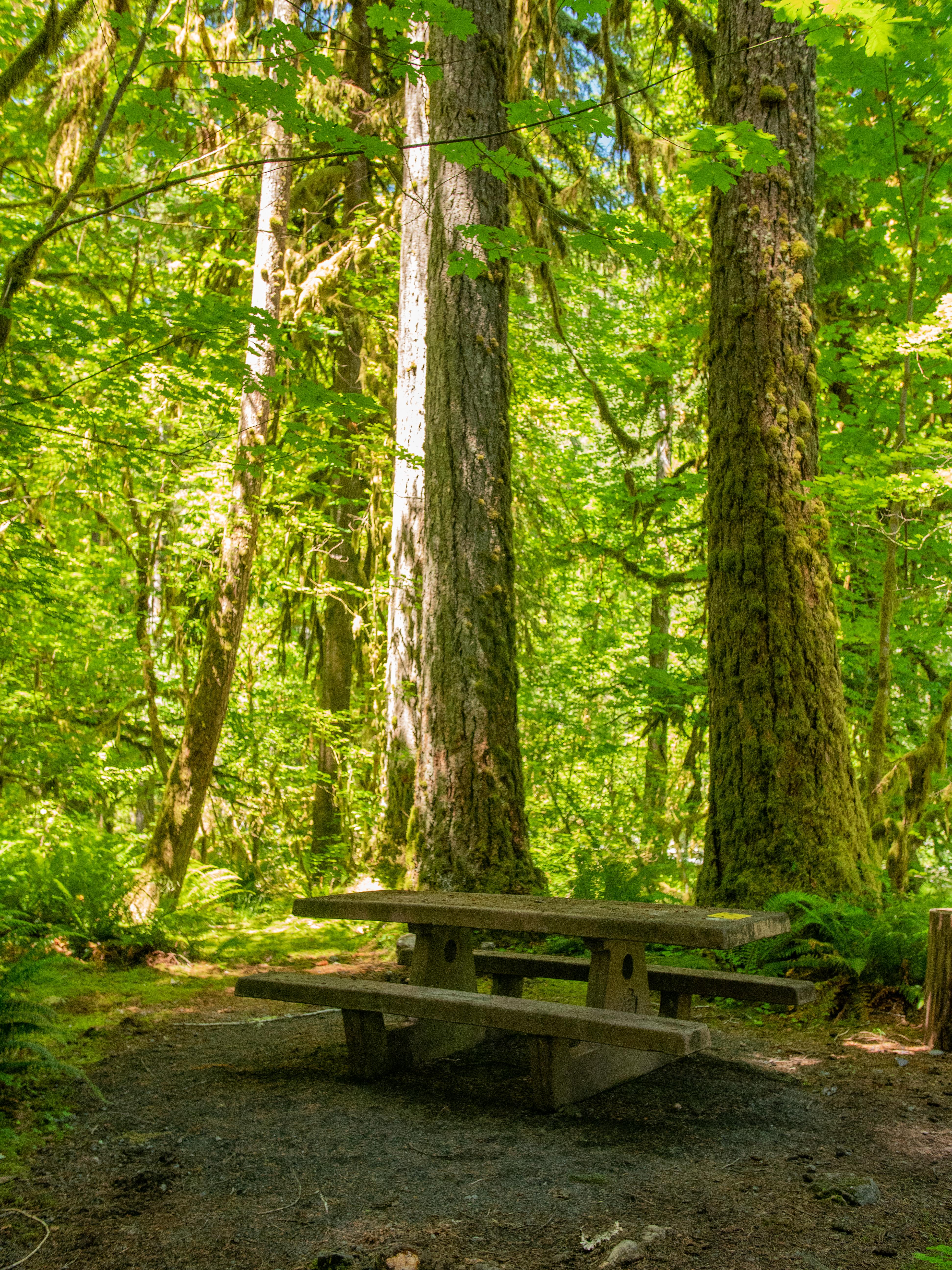
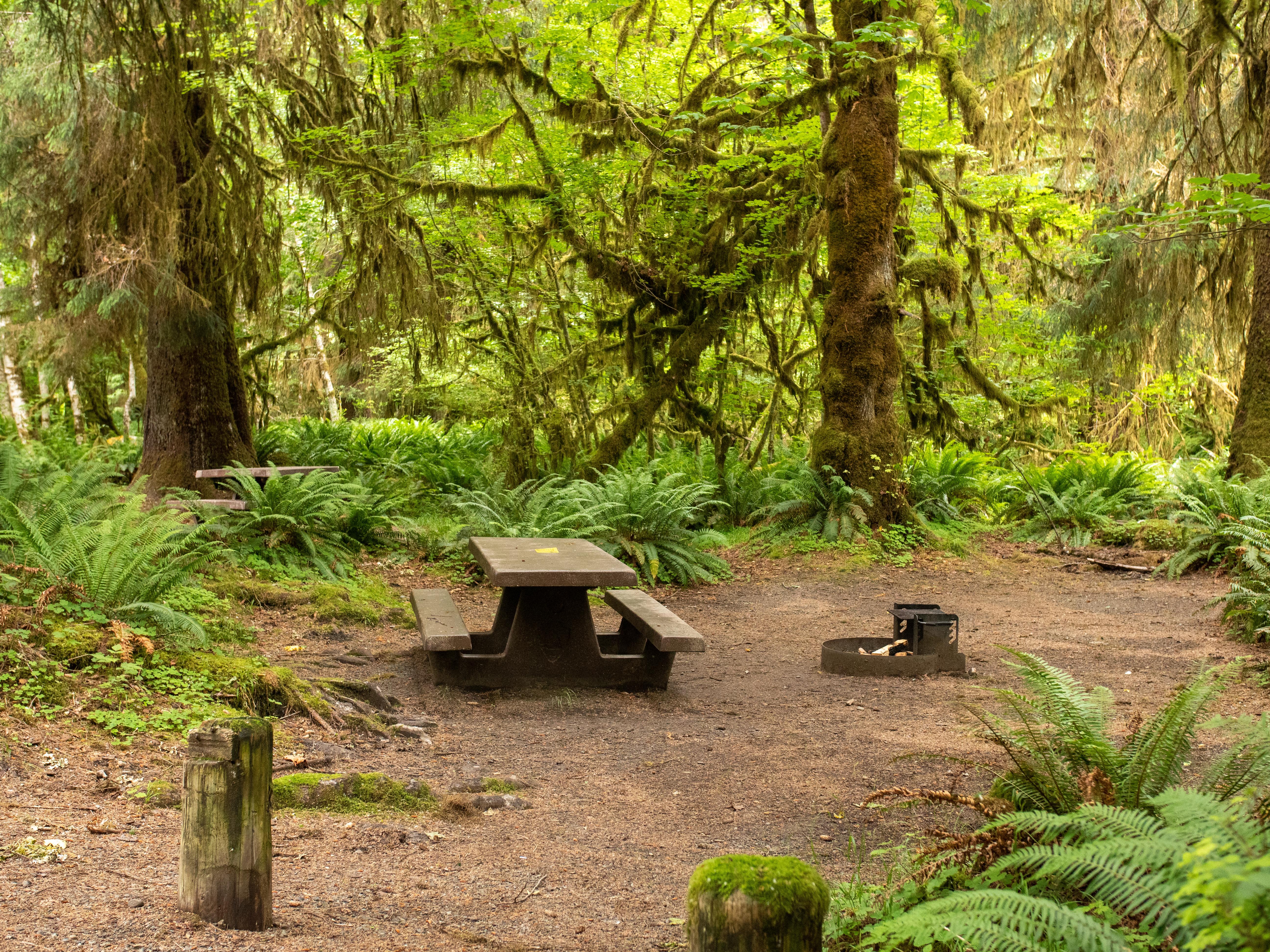
A campsite with picnic table surrounded by mossy trees and ferns.

Hoh Campground

Sites available

RestroomsWater
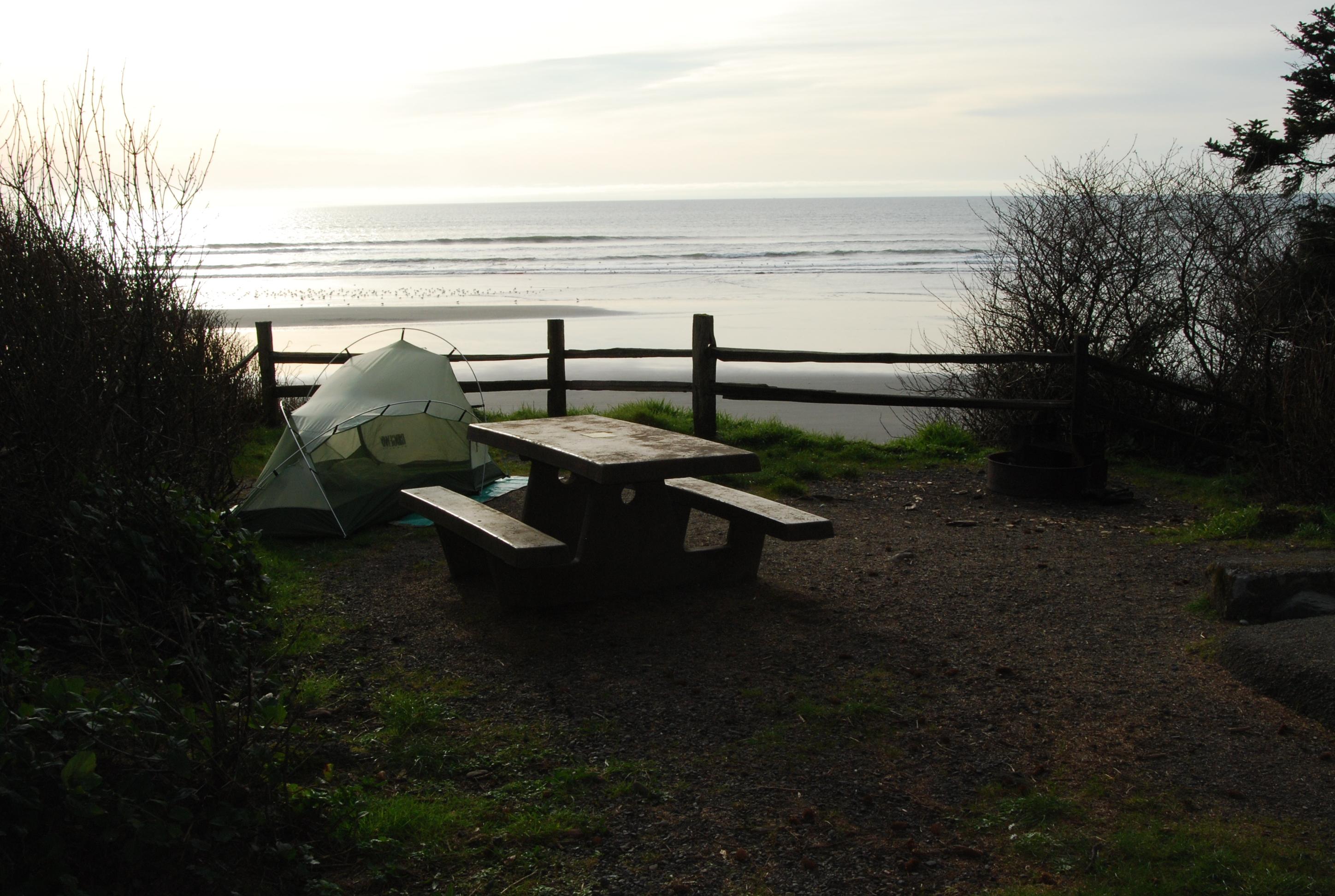
A campsite with a picnic table and tent, overlooking the ocean.

Kalaloch Campround

Sites available

RestroomsWater
A campsite with picnic table among very tall trees.

Mora Campground

Sites available

RestroomsWater
A campsite with picnic table nestled among conifer trees and ferns.

North Fork Campground

Sites available

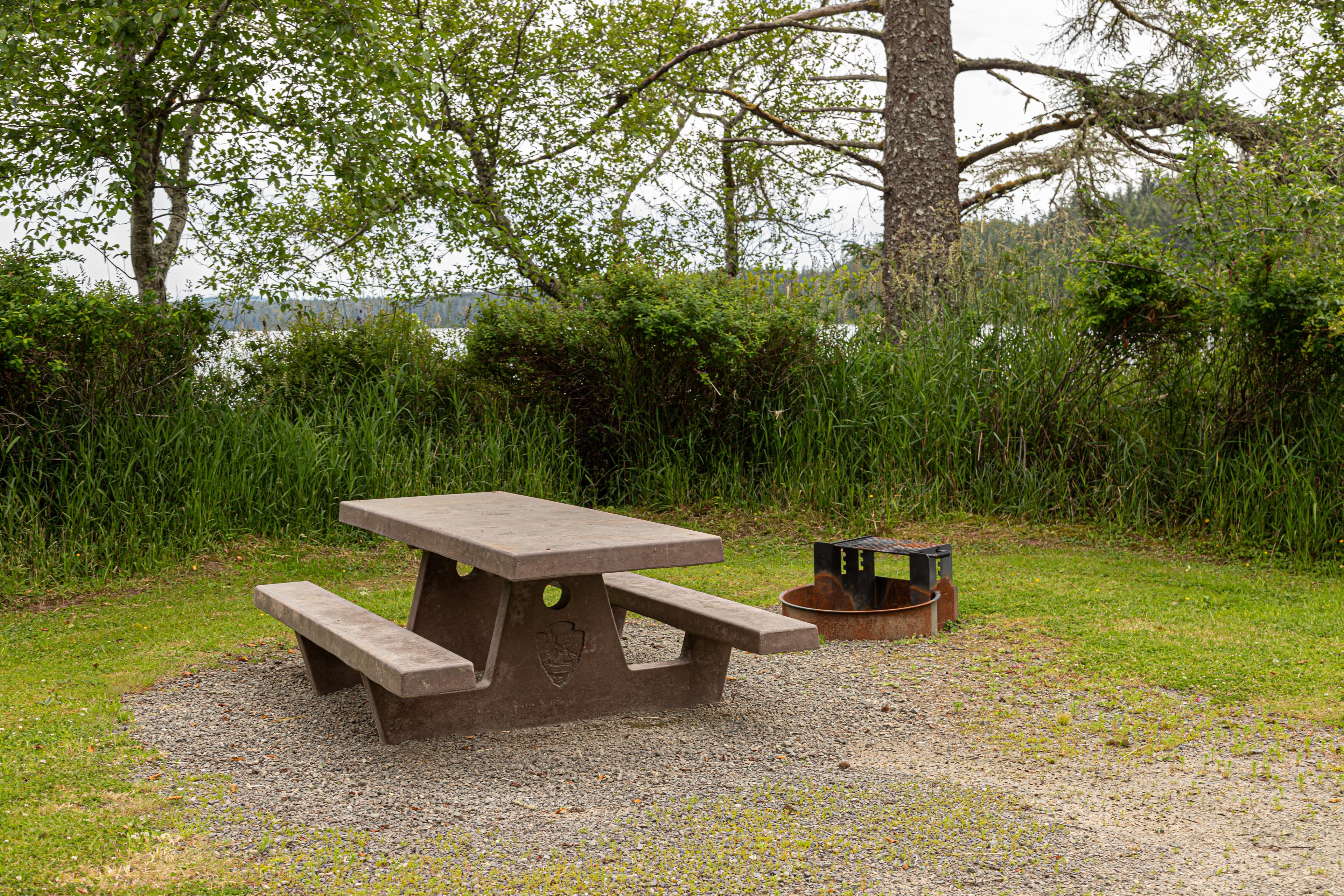
A grassy campsite with picnic table.

Ozette Campground

Sites available

Restrooms
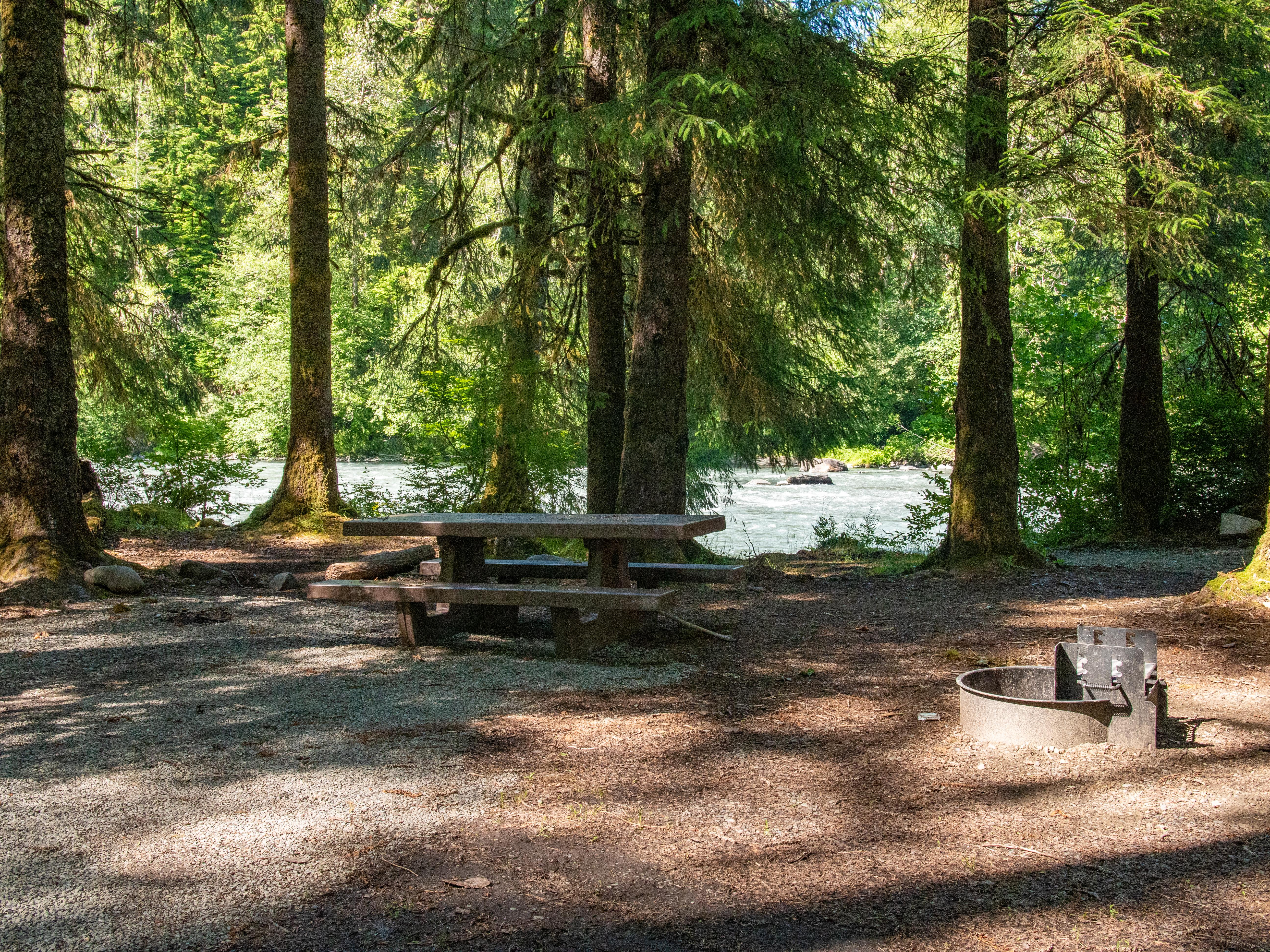
A campground with a fire pit and picnic tables among conifer trees, beside a rushing river.

Queets Campground

Sites available

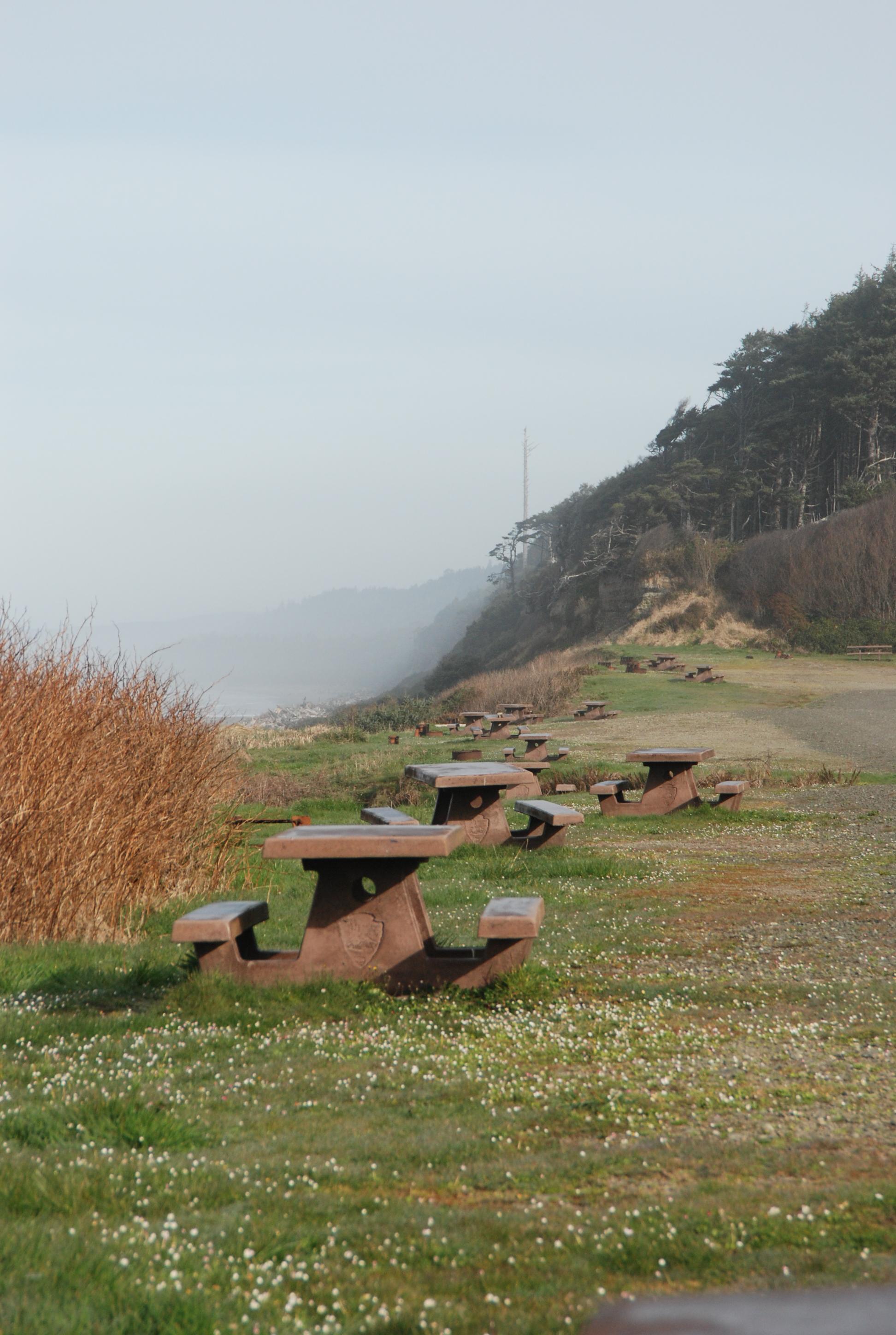
Picnic tables on a bluff overlooking the ocean.

South Beach Campground

Sites available

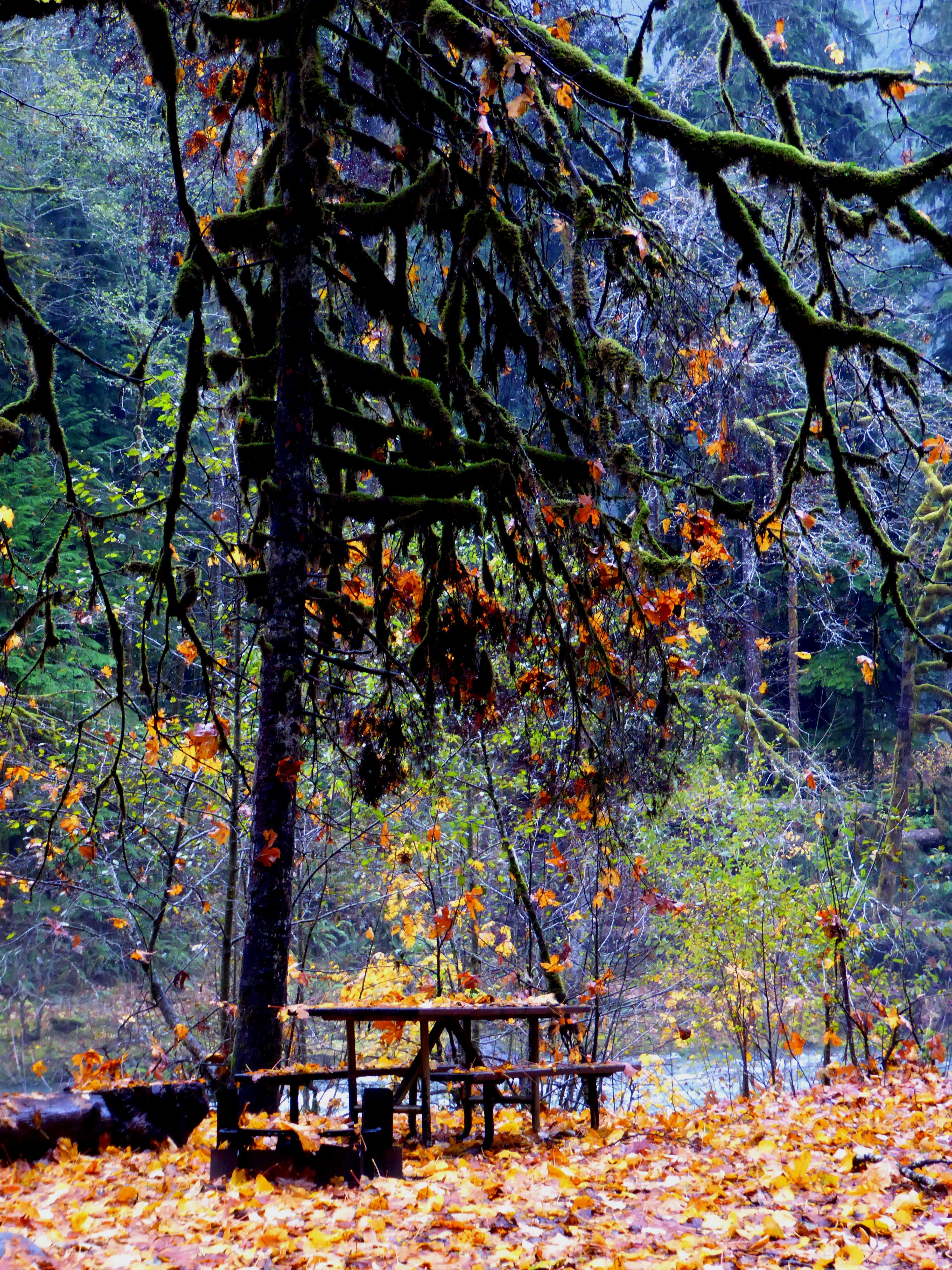
A riverside campsite with many large, yellow maple leaves.

Staircase Campground

Sites available

RestroomsWater

Wildlife

Keep an eye out for these animals during your visit:

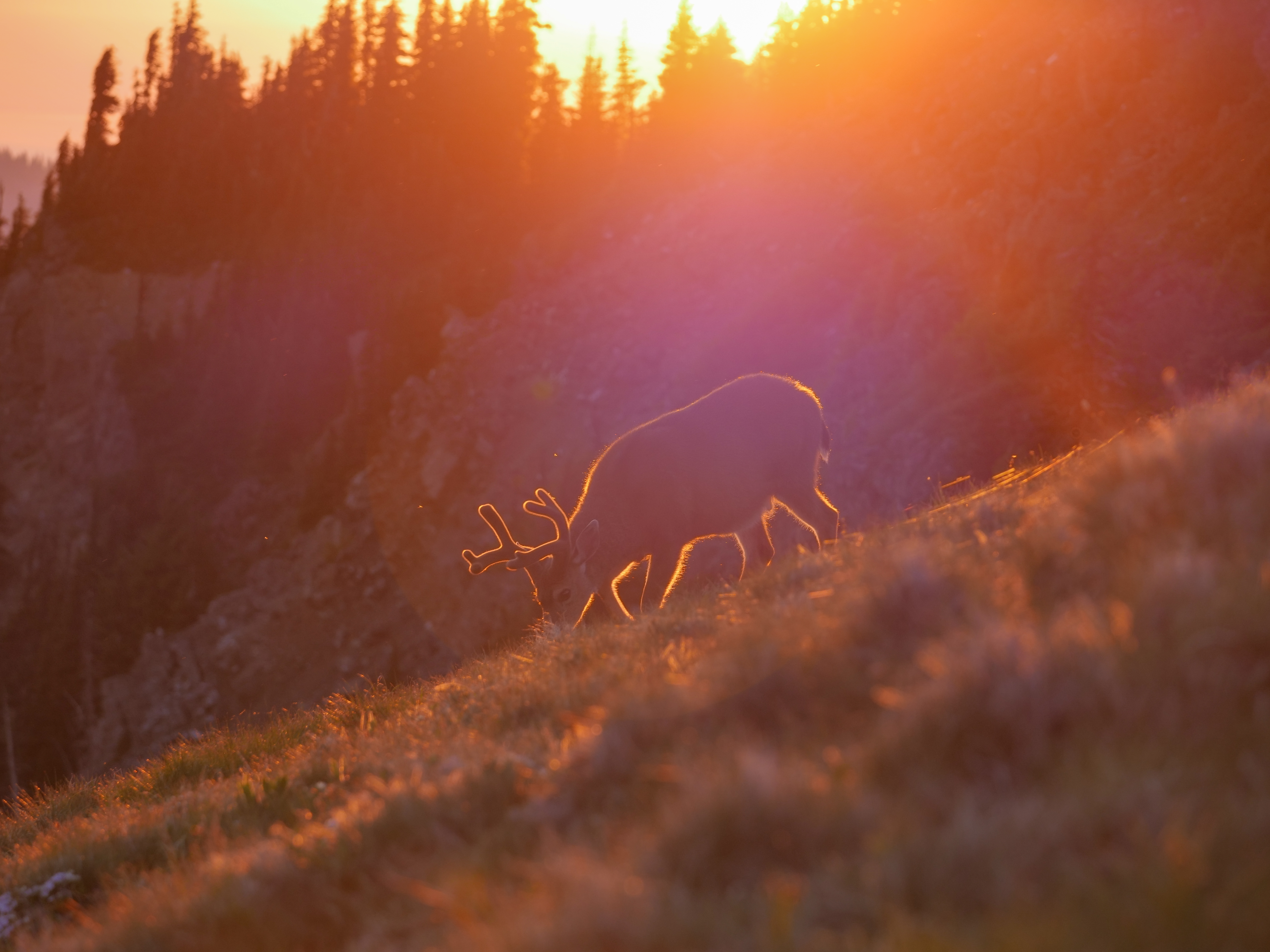
Roosevelt Elk Black Bear Olympic Marmot Sea Otter Bald Eagle Banana Slug Harbor Seal

Pro Tips

  • 💡 The park has no through-roads — each area (Hoh, coast, Hurricane Ridge) requires a separate trip from the highway
  • 💡 The Hoh Rain Forest parking lot fills early in summer; arrive before 9 AM or visit in the afternoon
  • 💡 Hurricane Ridge Road can close for snow even in late spring — check road status before driving up
  • 💡 Sol Duc Hot Springs is a perfect end-of-hike soak; bring a towel and swimsuit
  • 💡 Rain gear is essential year-round in the rainforest valleys — even summer days can be wet

Weather & Best Time to Visit

The wettest park in the lower 48. Rainforest valleys receive 140-170 inches of rain per year. Summers are drier with highs of 65-75°F. The rain shadow on the northeast side is significantly drier.

Best seasons: Summer