Park Closure:Paradise Road Status: Open, traction tires advised, gate closing at 5 p.m.
Details
Park Closure:SR 165 Carbon River/Fairfax Bridge is closed: no access to Carbon River or Mowich Lake.
Details
Information:Water available at Paradise & Narada Falls.
Details
+3 more alerts
Mount Rainier National Park

Mount Rainier

Challenging Washington

Overview

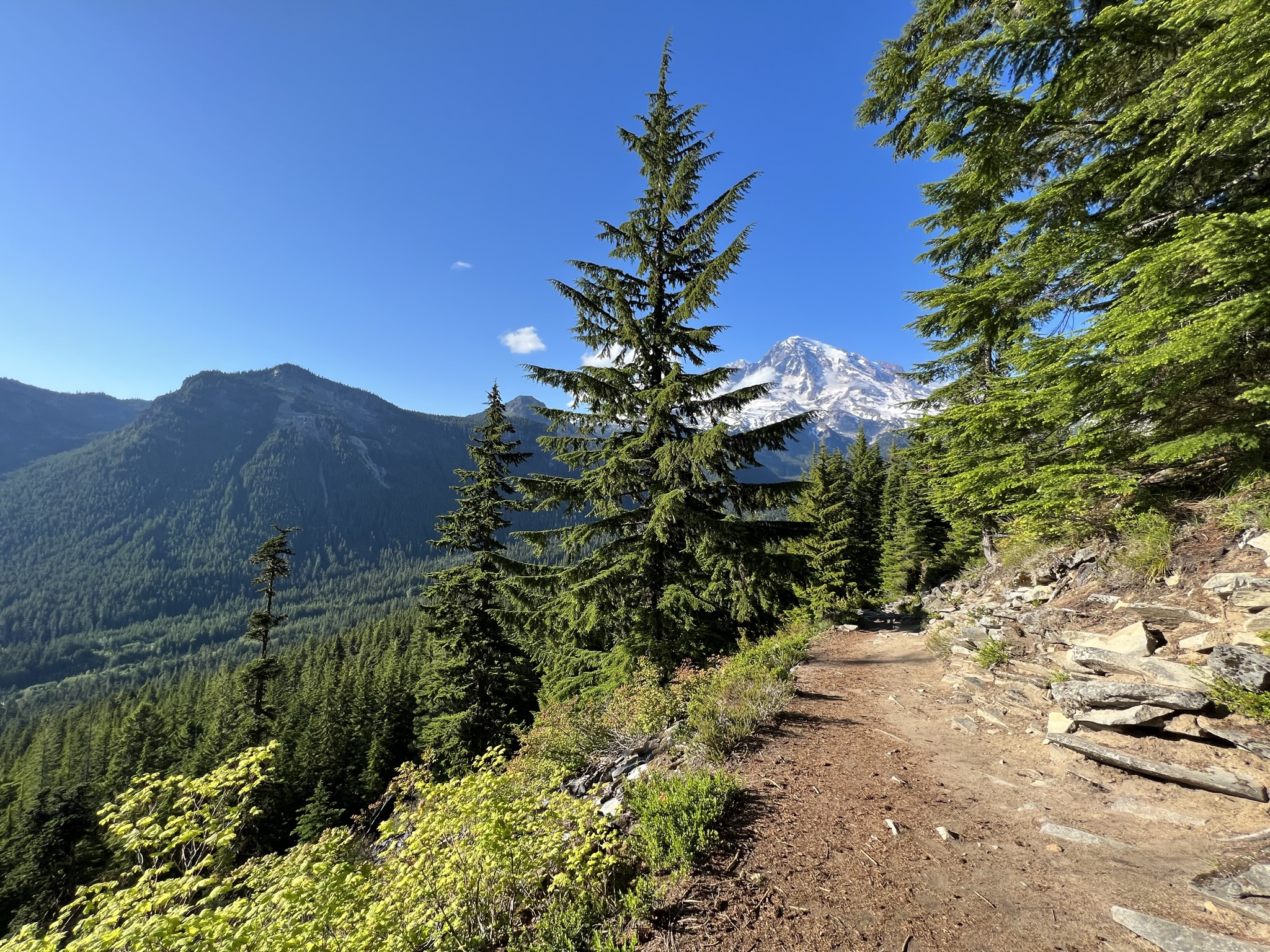
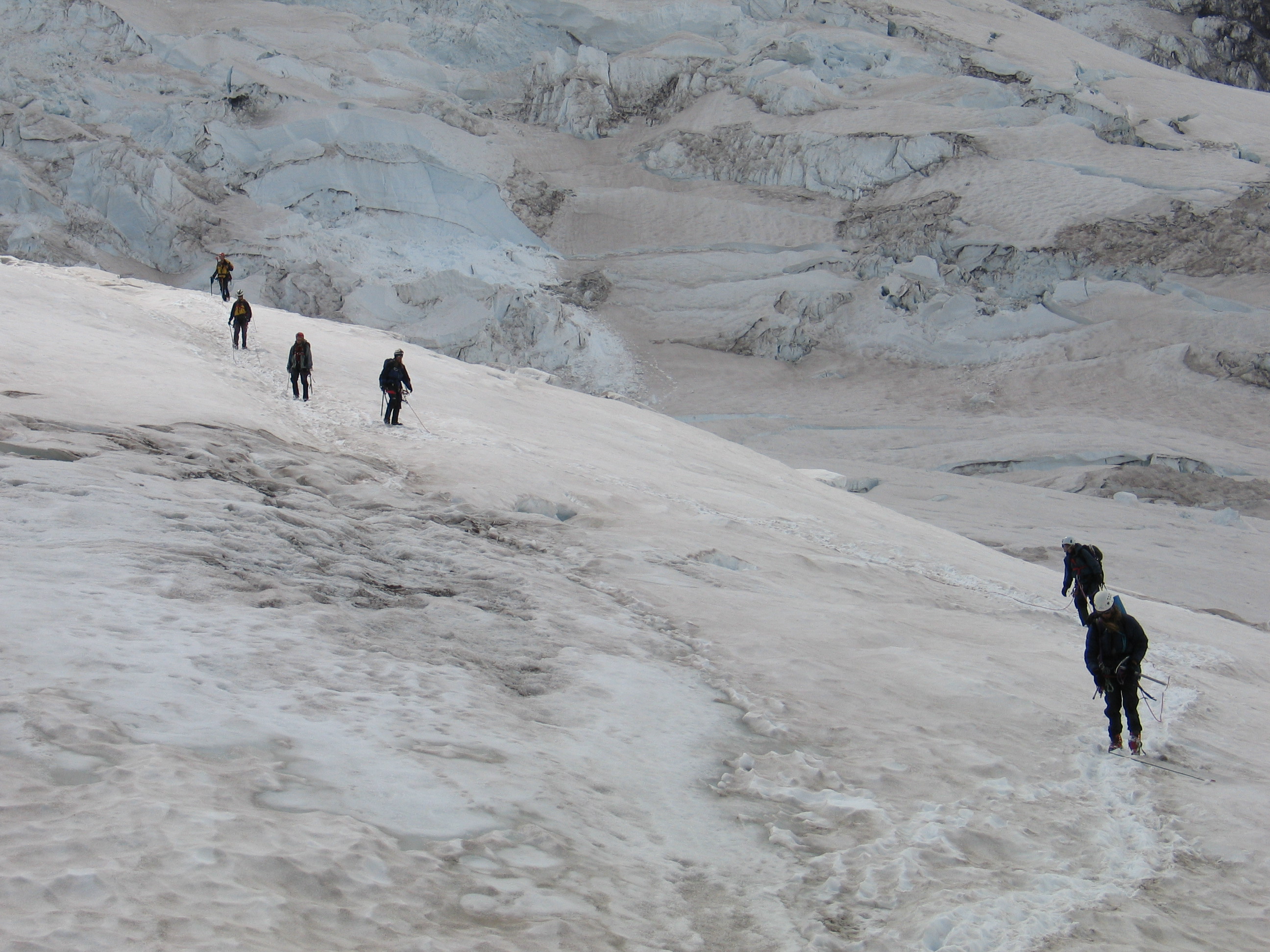
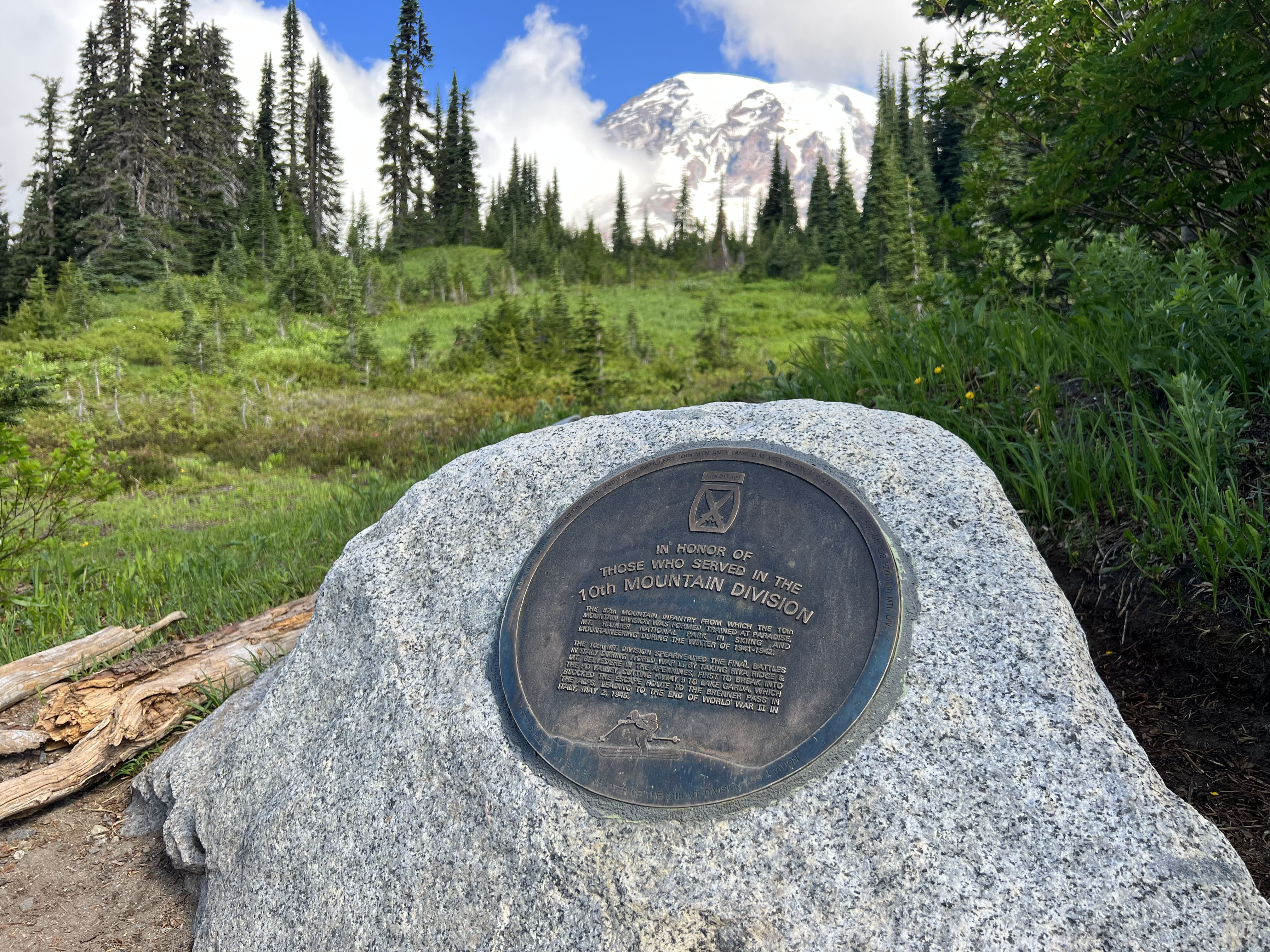
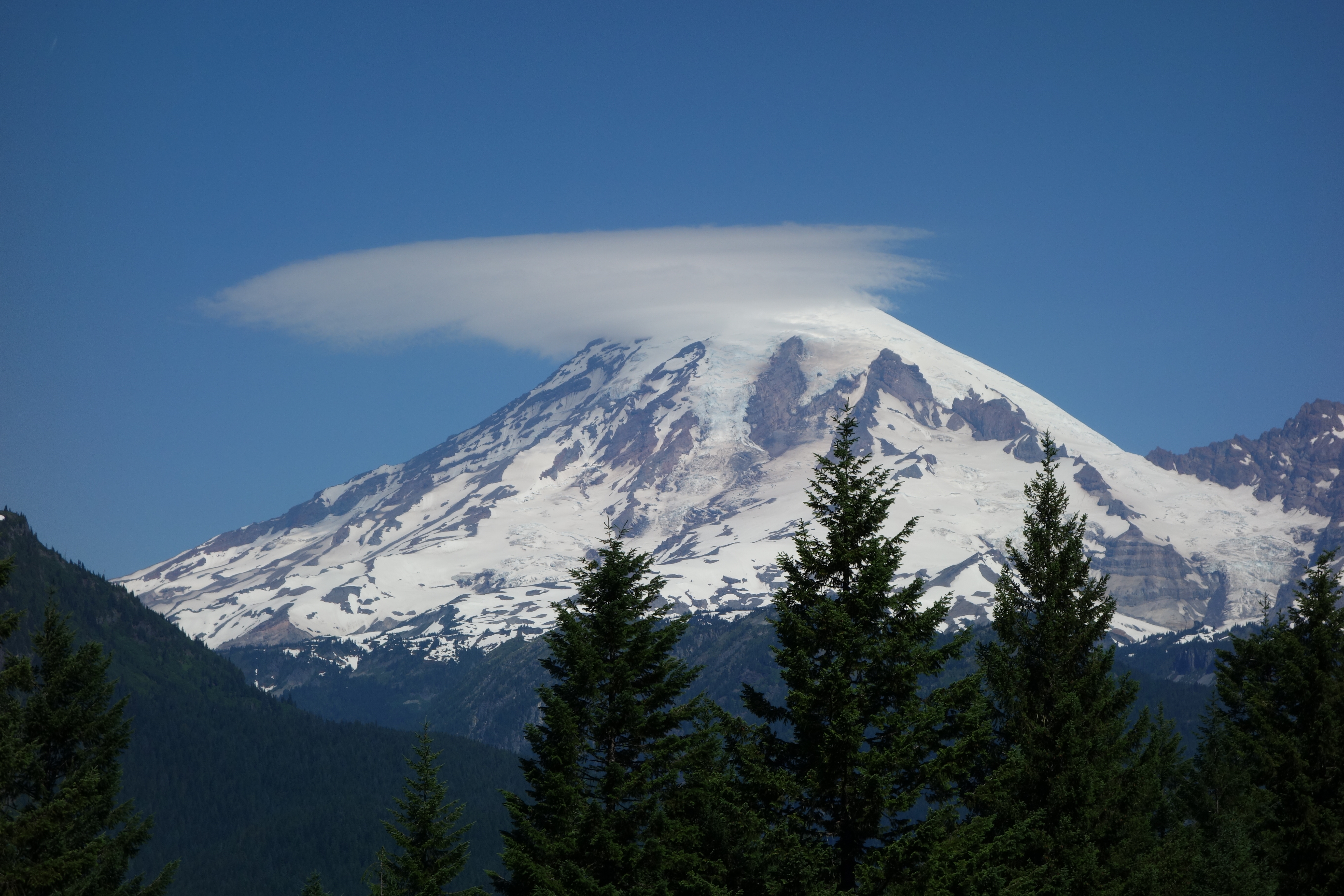
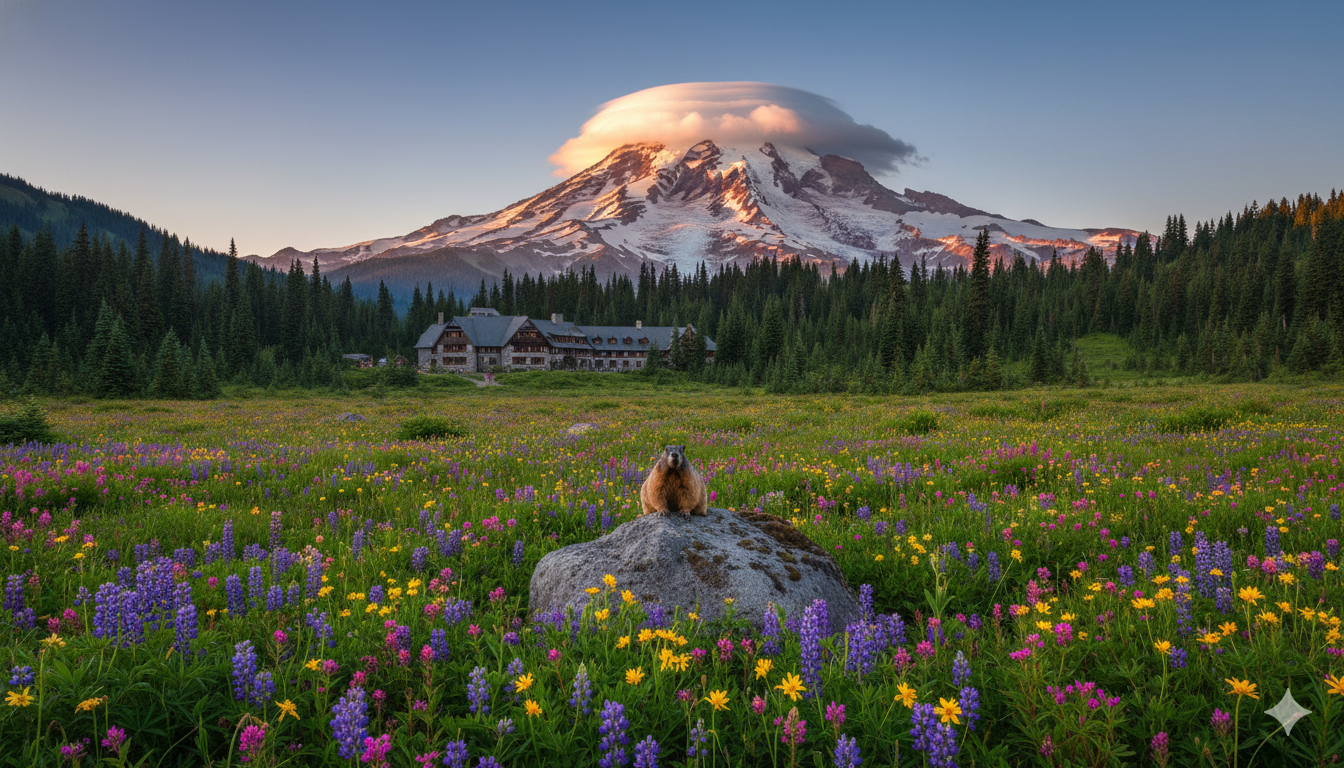
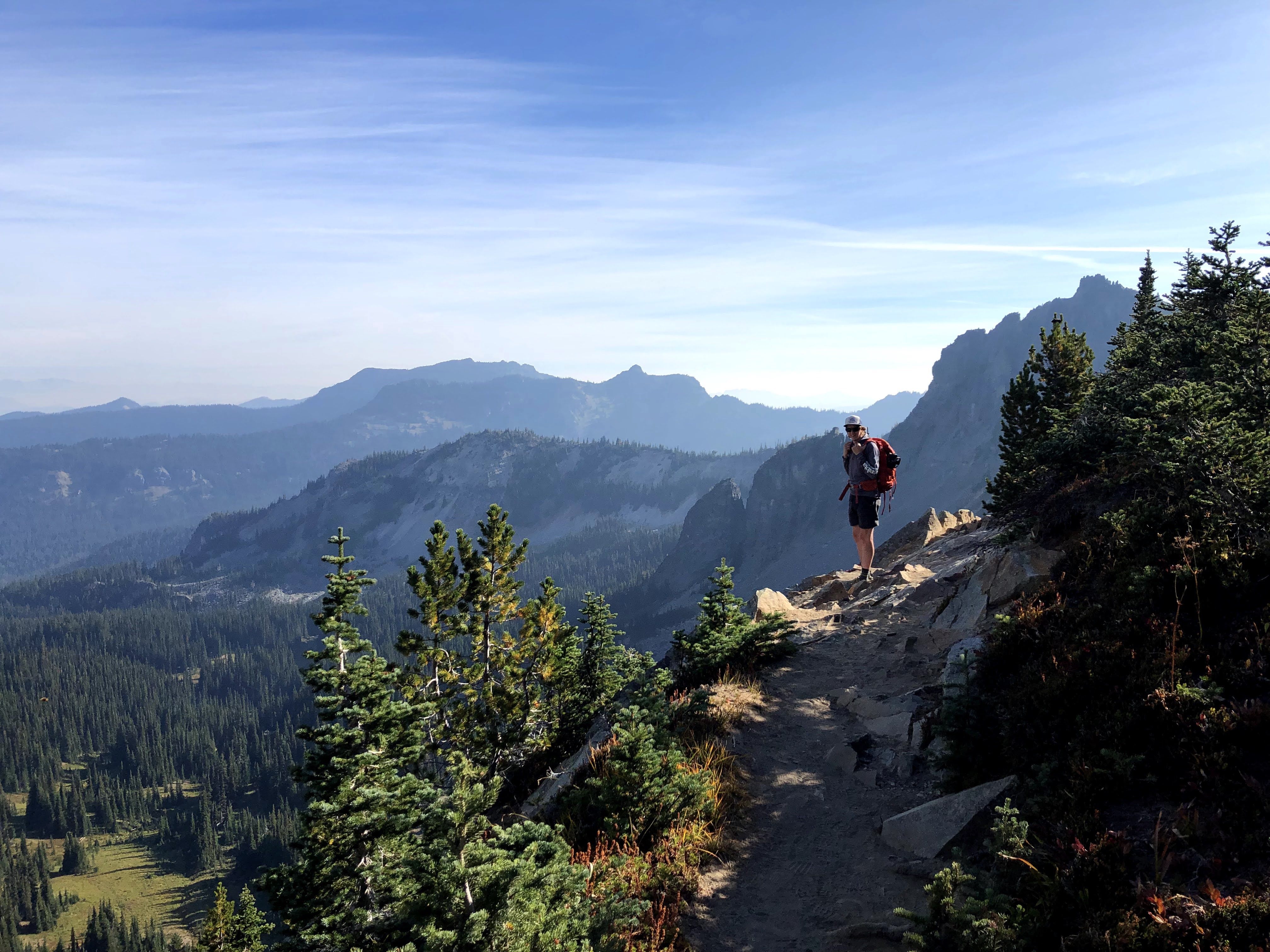
Mount Rainier stands at 14,411 feet, the highest peak in the Cascade Range and the most heavily glaciated mountain in the contiguous United States. Twenty-five named glaciers cloak its flanks in a permanent mantle of ice that feeds rivers, waterfalls, and the subalpine wildflower meadows that carpet the mountain's slopes each summer. On clear days, the mountain dominates the Seattle skyline 60 miles away — a massive volcanic cone that residents simply call "the Mountain." Paradise, the park's most popular area at 5,400 feet, earns its name with wildflower displays that peak in late July and August, when lupine, paintbrush, and avalanche lilies create a tapestry of color against the glaciated peak above. The Skyline Trail loop from Paradise climbs to Panorama Point for views of the Nisqually Glacier and the summit crater. Sunrise, on the mountain's northeast side and the highest point reachable by car, offers drier conditions and views across the Emmons Glacier, the largest glacier in the lower 48. Summiting Mount Rainier is a bucket-list mountaineering objective requiring crampons, ice axes, rope teams, and at least two days. Guided climbs depart from Camp Muir at 10,080 feet for the summit push through crevasse fields and steep ice. For non-climbers, the 93-mile Wonderland Trail circumnavigates the entire mountain over 7-14 days, passing through every ecosystem from old-growth forest to alpine ice.

Things to Do

  • Hike the Skyline Trail at Paradise through wildflower meadows
  • Drive to Sunrise for Emmons Glacier views
  • Summit Mount Rainier with a guided climbing team
  • Backpack the 93-mile Wonderland Trail
  • Walk the Grove of the Patriarchs ancient forest
  • Photograph wildflowers at Paradise in late July
  • Snowshoe at Paradise in winter
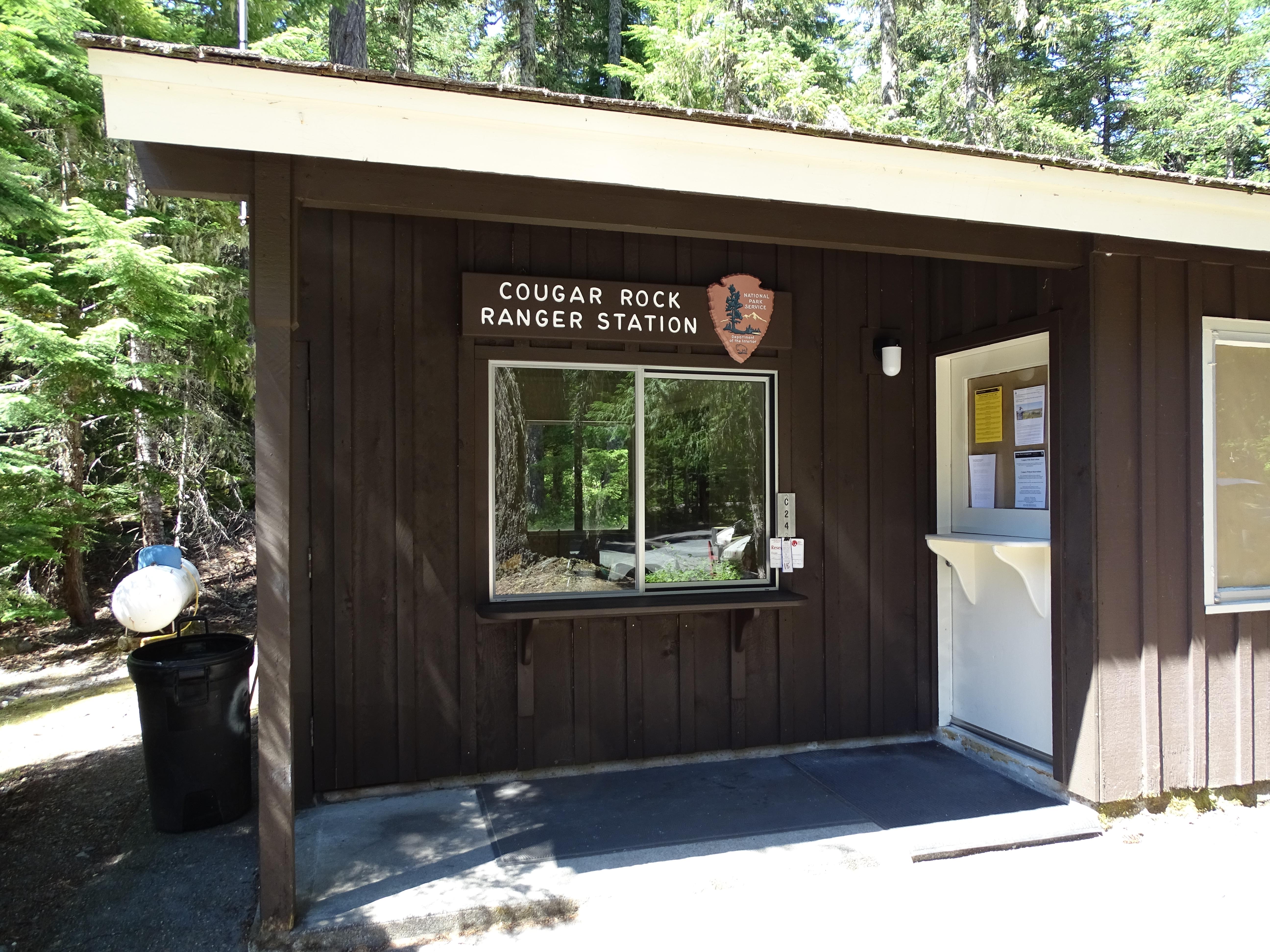
A small brown building with a window for taking questions.

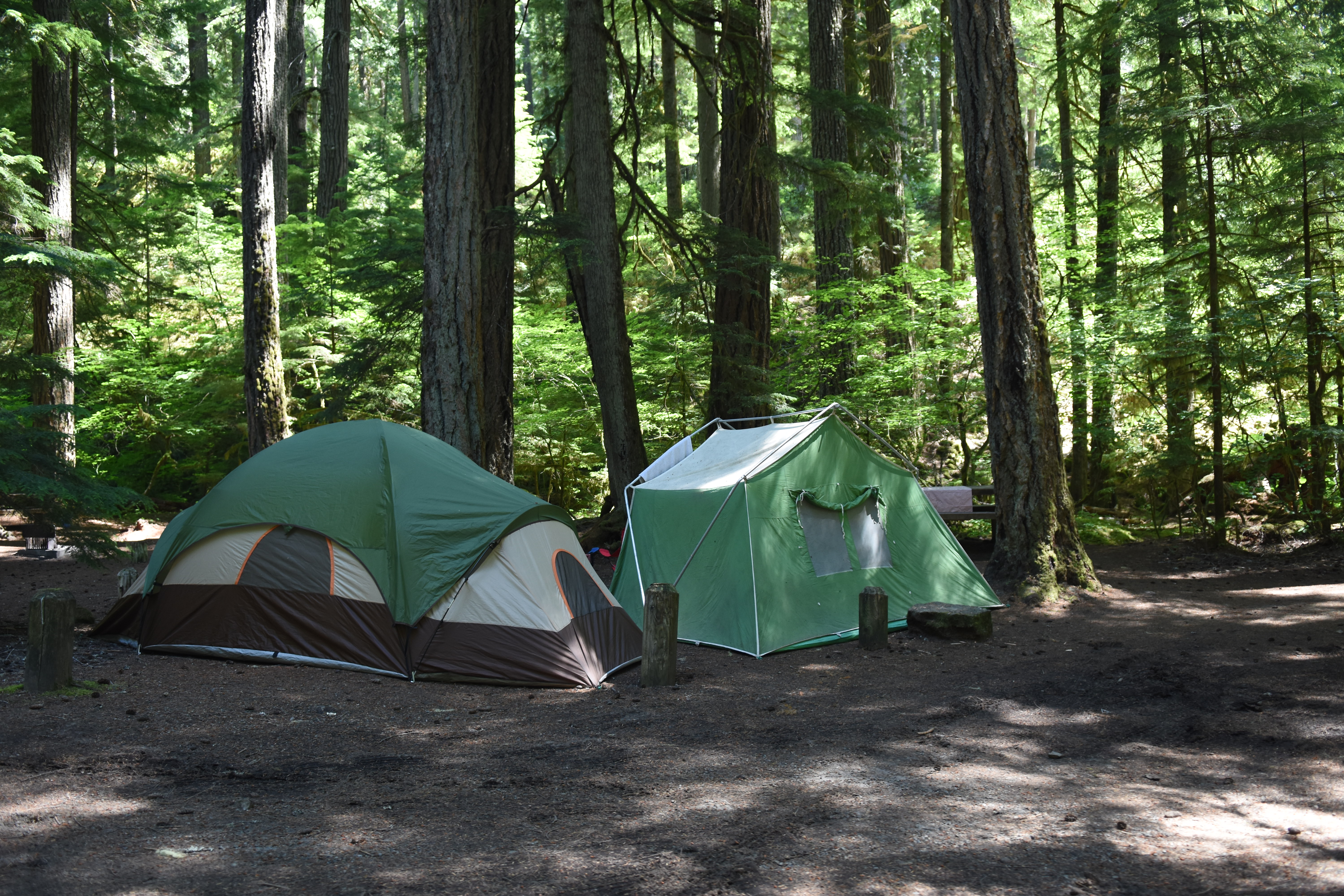
Cougar Rock Campground

Sites available

RestroomsWater
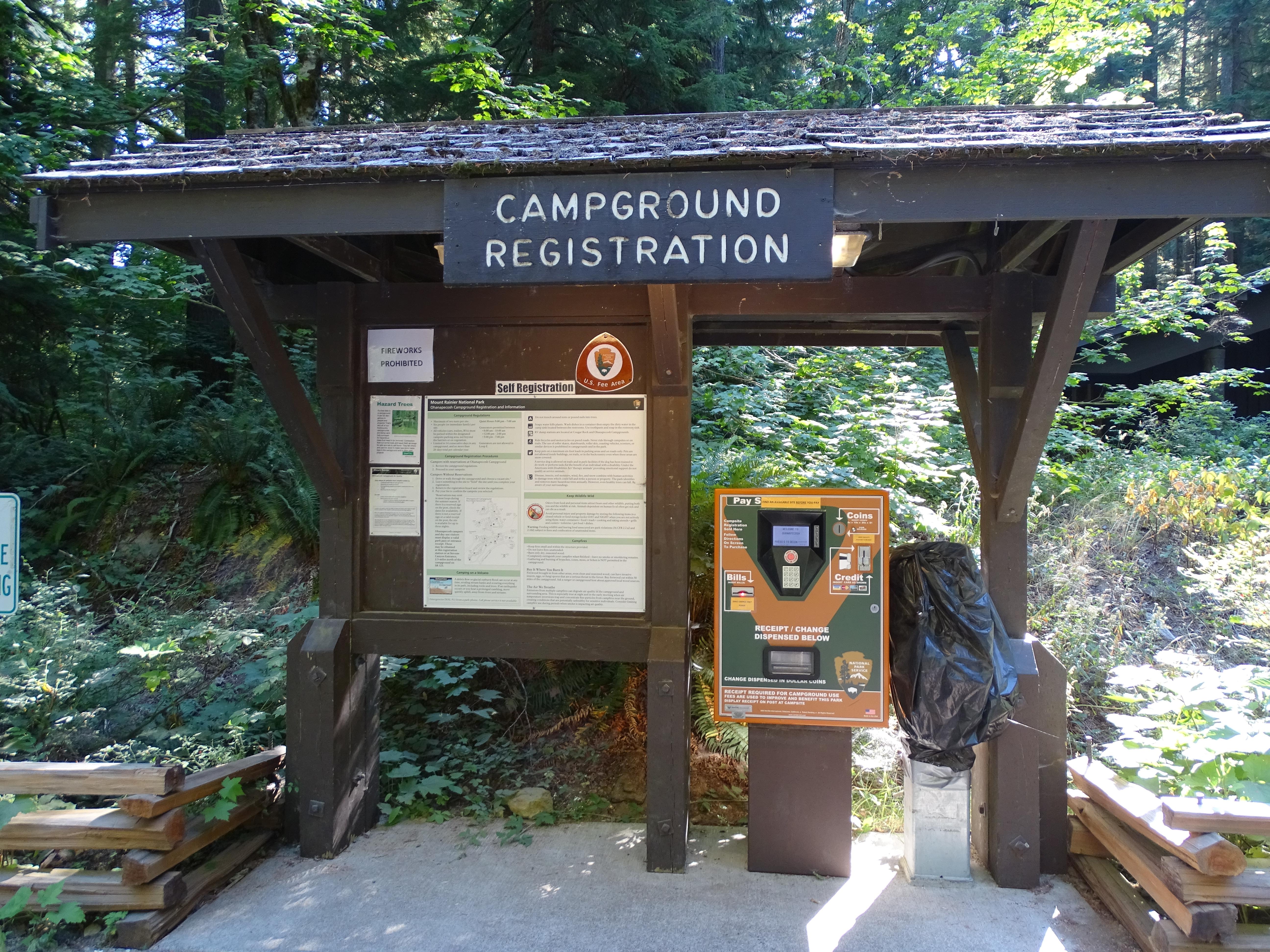
A brown bulletin board with information about the campground and a machine for paying the fee.

Ohanapecosh Campground

Sites available

RestroomsWater
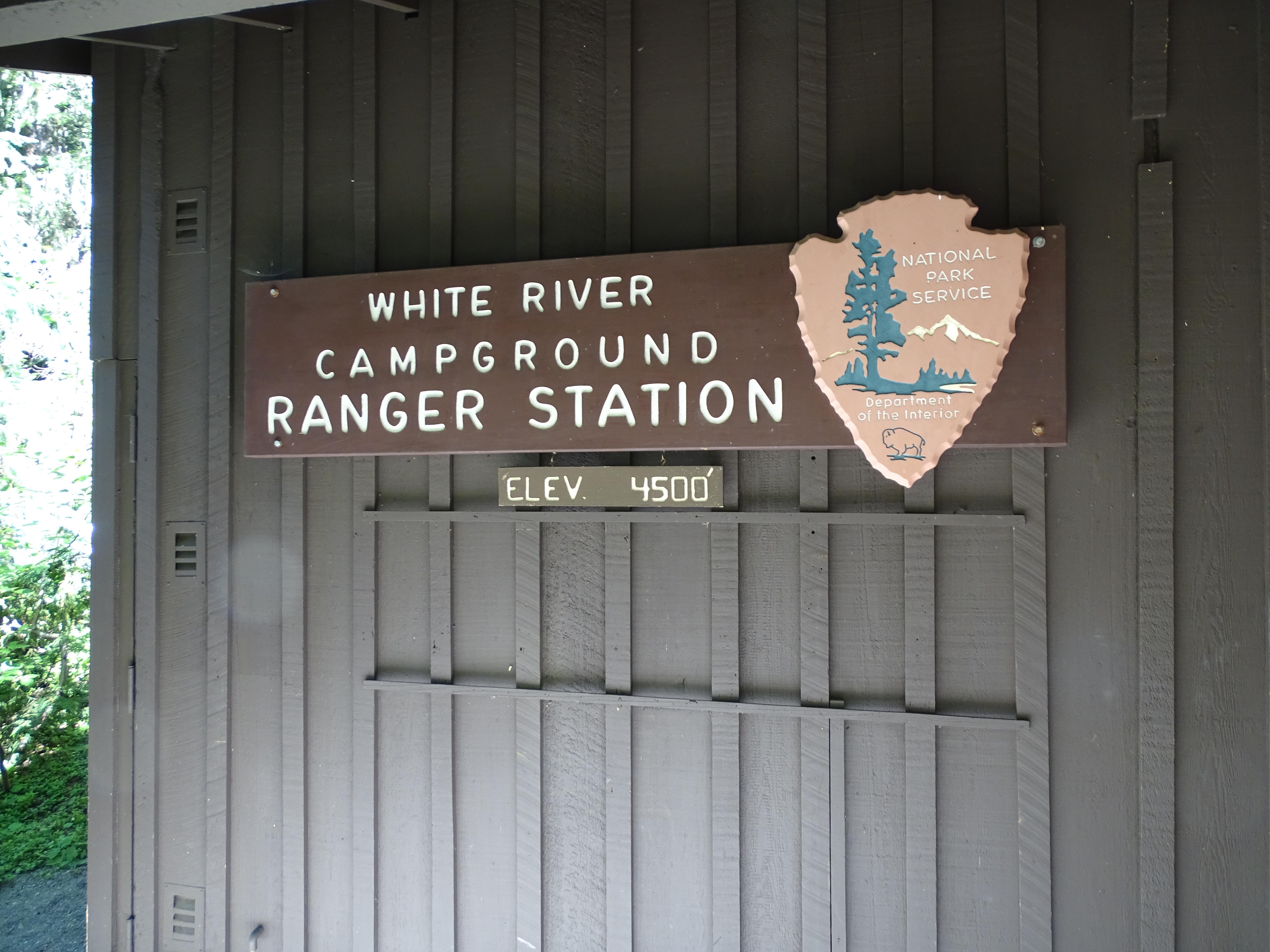
A brown wall with a sign for the ranger station with a large park service arrow head.

White River Campground

Sites available

RestroomsWater

Wildlife

Keep an eye out for these animals during your visit:

Black Bear Mountain Goat Elk Marmot Pika Spotted Owl Gray Jay

Pro Tips

  • 💡 Paradise parking fills by 10 AM on summer weekends — arrive at dawn or use a weekday
  • 💡 Wildflower peak at Paradise is typically late July to early August; check the park's bloom report
  • 💡 The Wonderland Trail requires a permit and advance reservation — the lottery opens in March
  • 💡 Sunrise is drier and less crowded than Paradise with equally stunning views
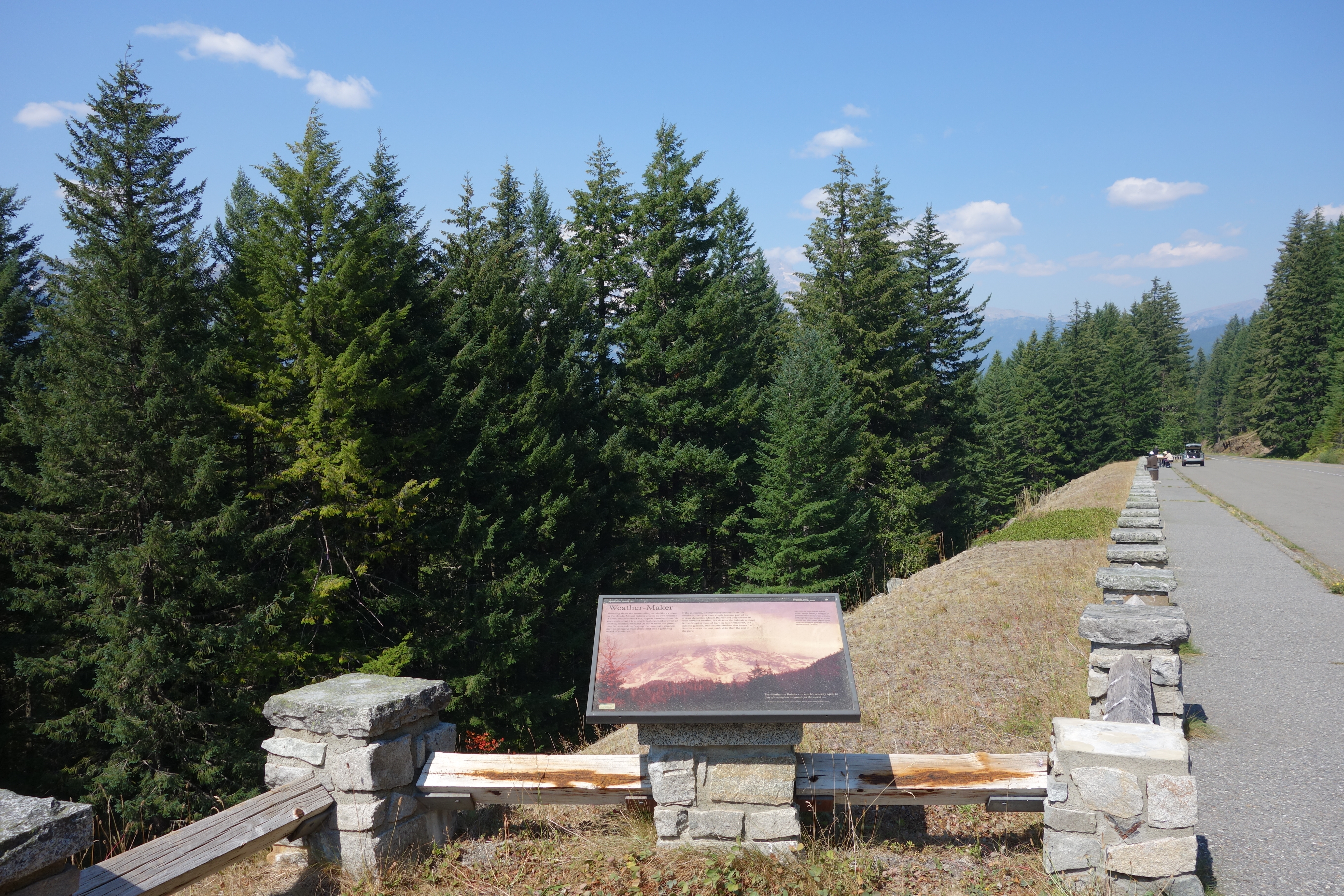
  • 💡 Mount Rainier makes its own weather — the summit can be hidden in clouds even on clear valley days

Weather & Best Time to Visit

Paradise receives an average of 54 feet of snow per year. Summer at Paradise reaches 60-70°F with frequent clouds. Winter is accessible for snowshoeing but the road beyond Longmire may close.

Best seasons: Summer