Information:Phone Outage
Lake Clark National Park

Lake Clark

Expert Alaska

Overview

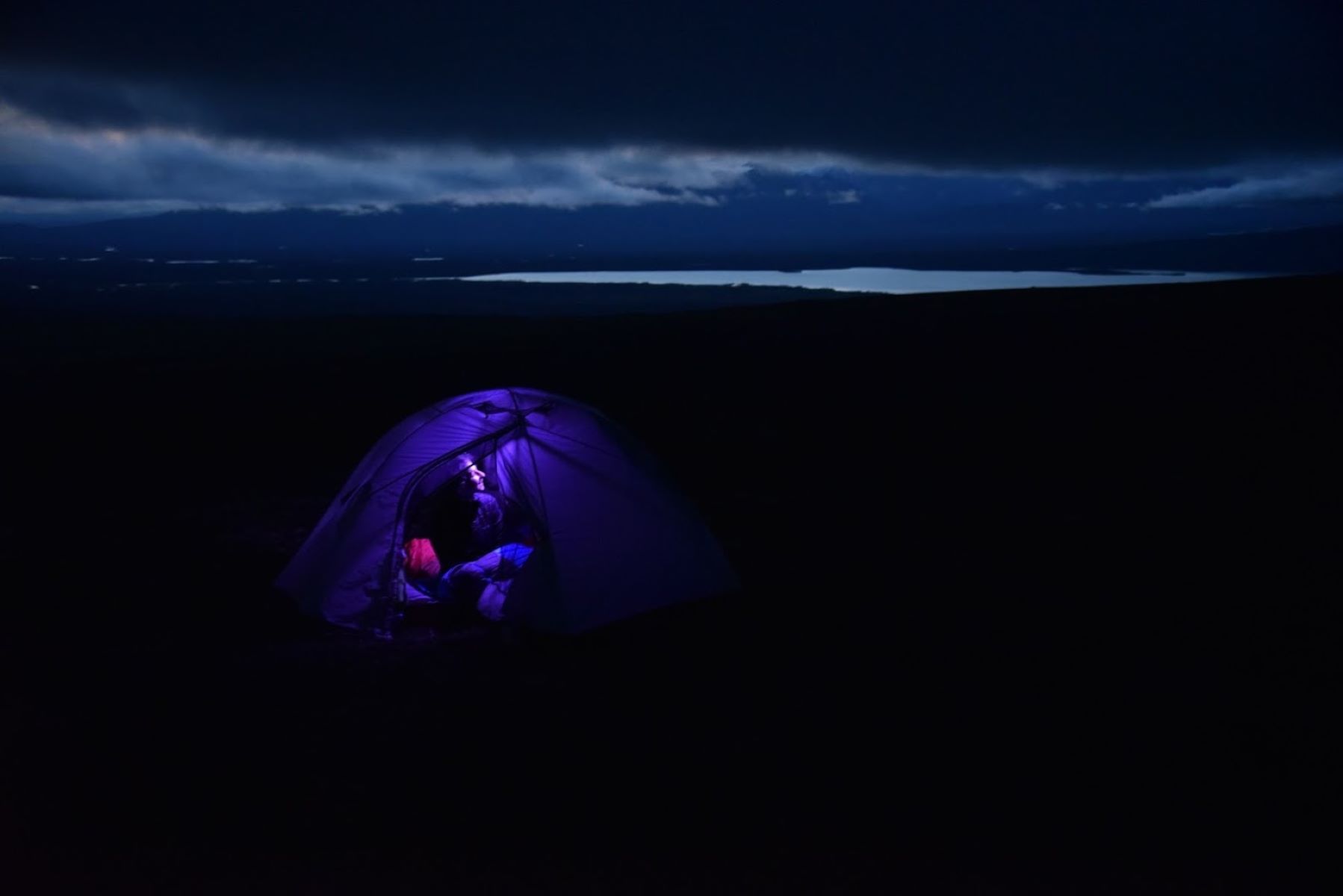
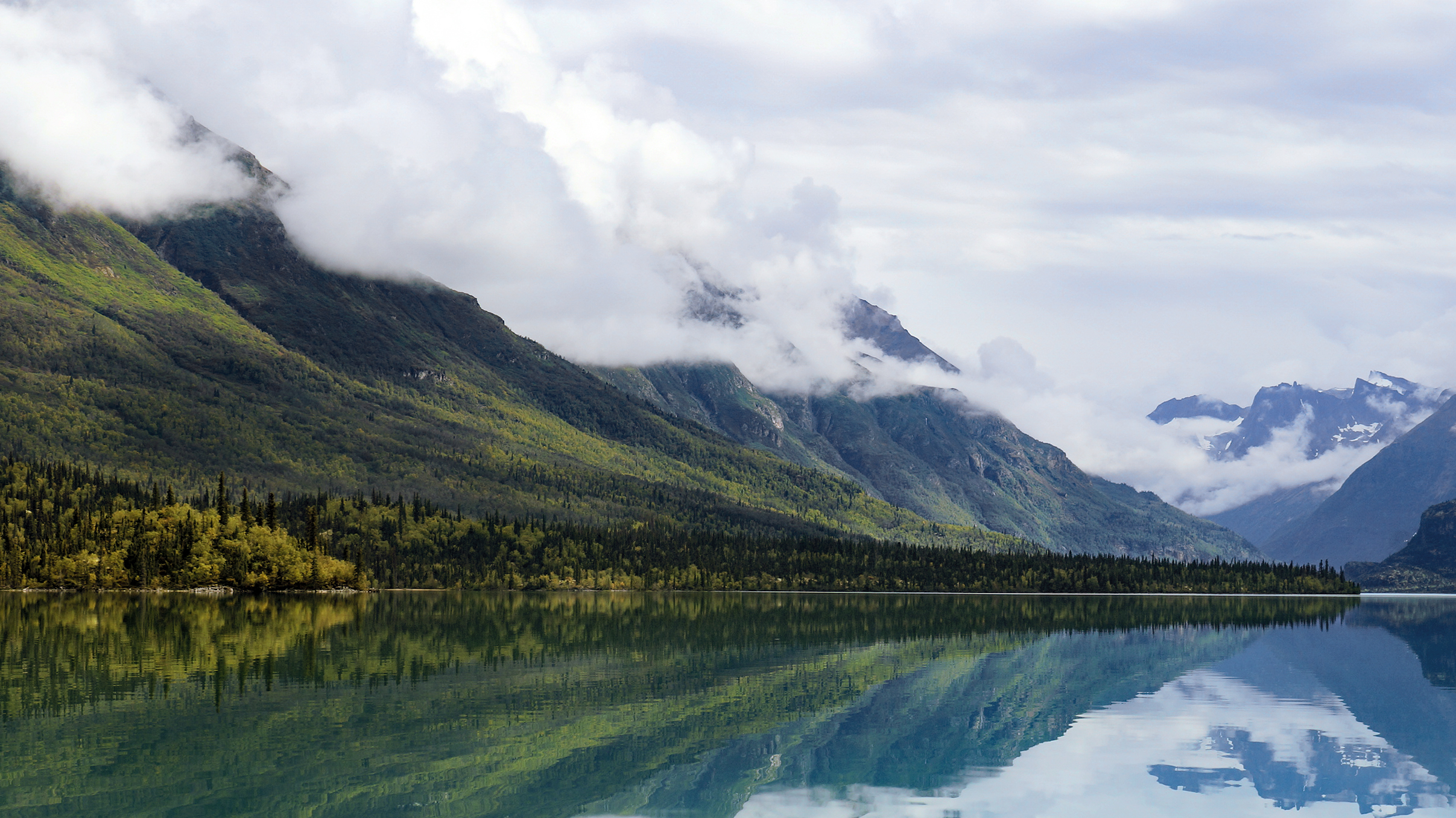
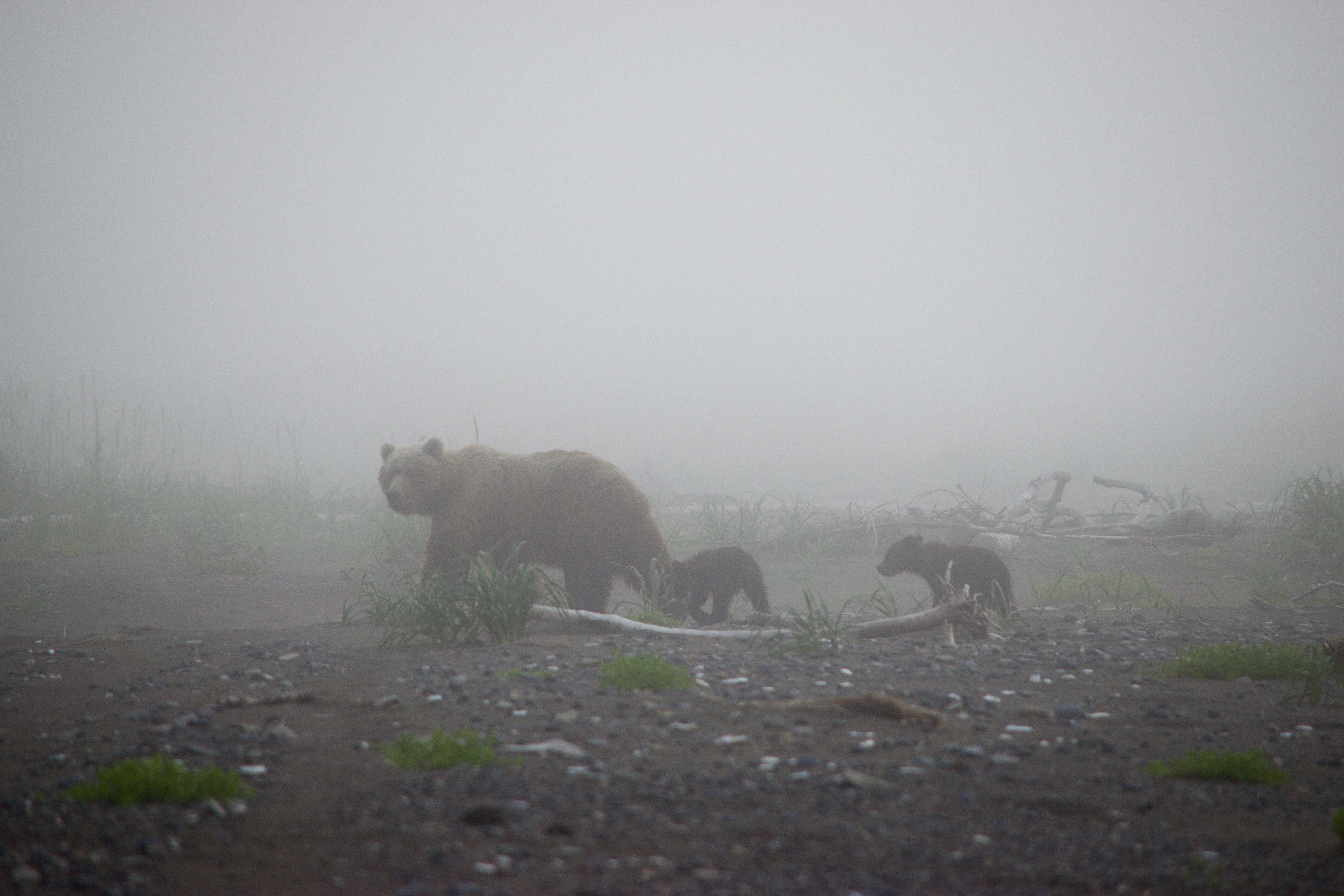
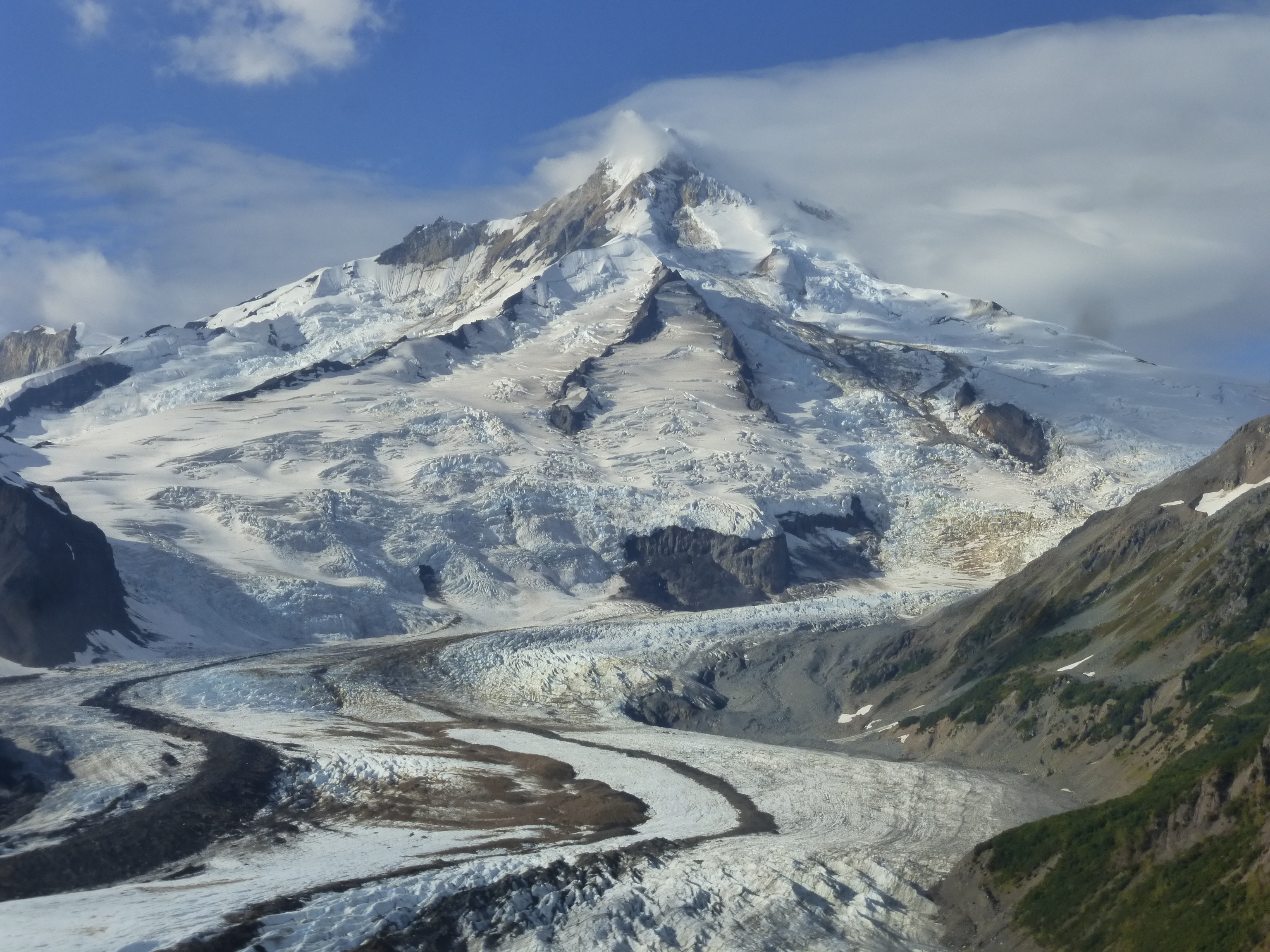
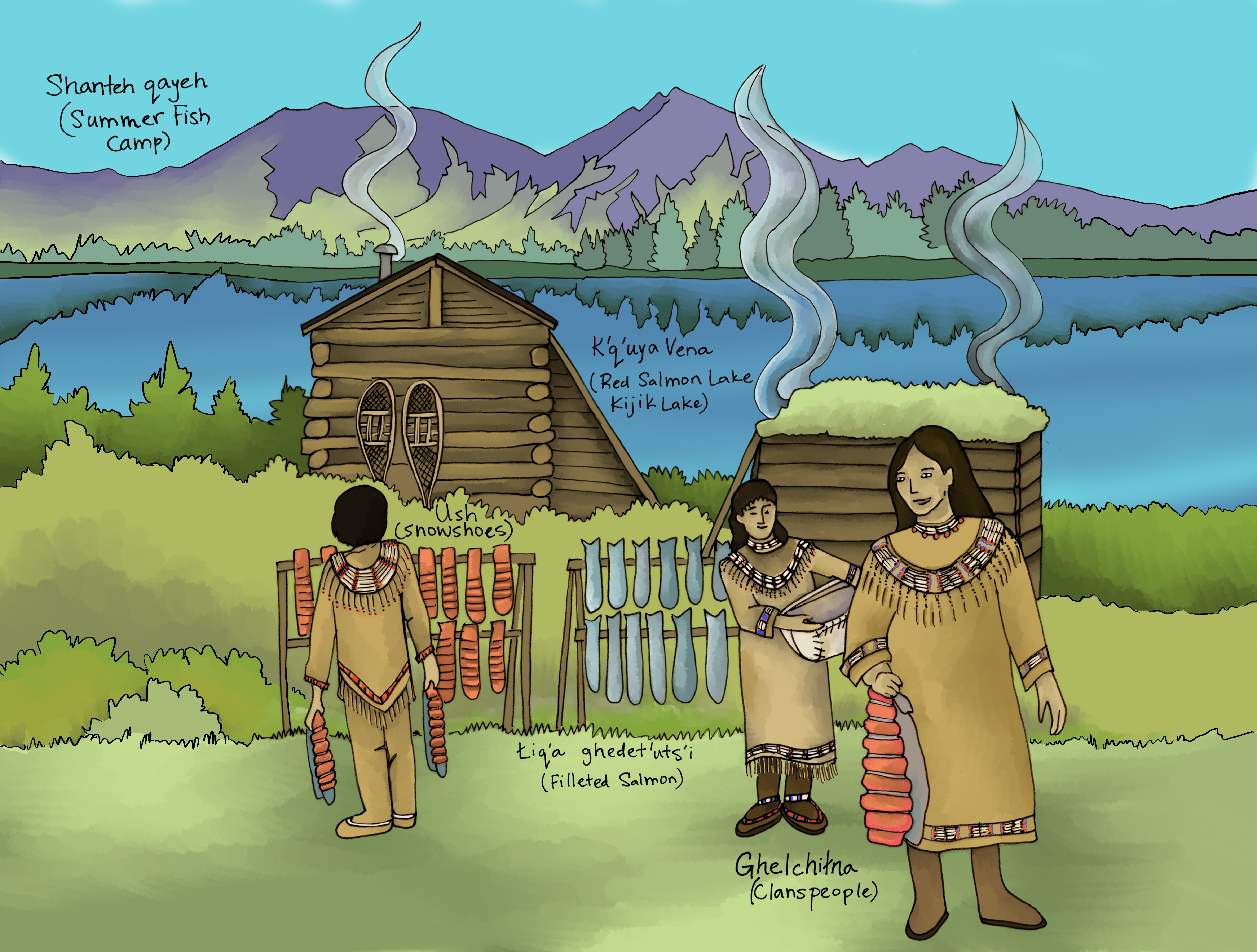
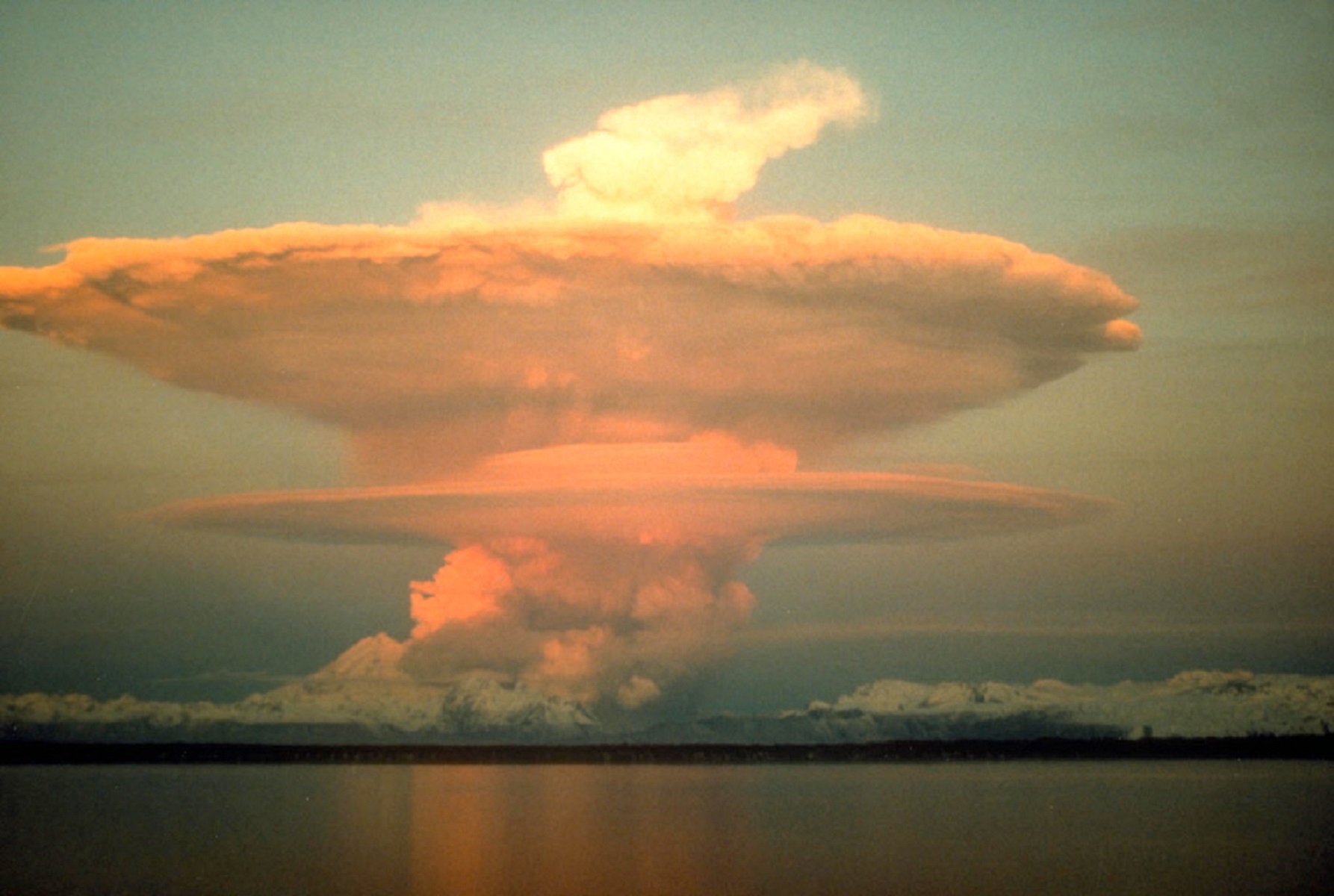
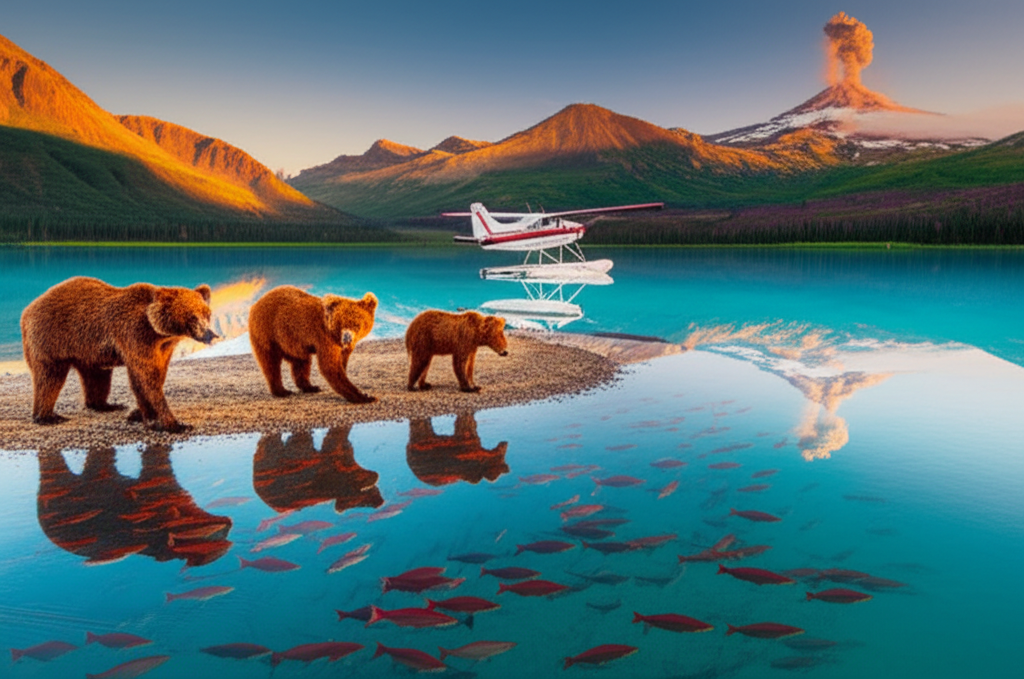
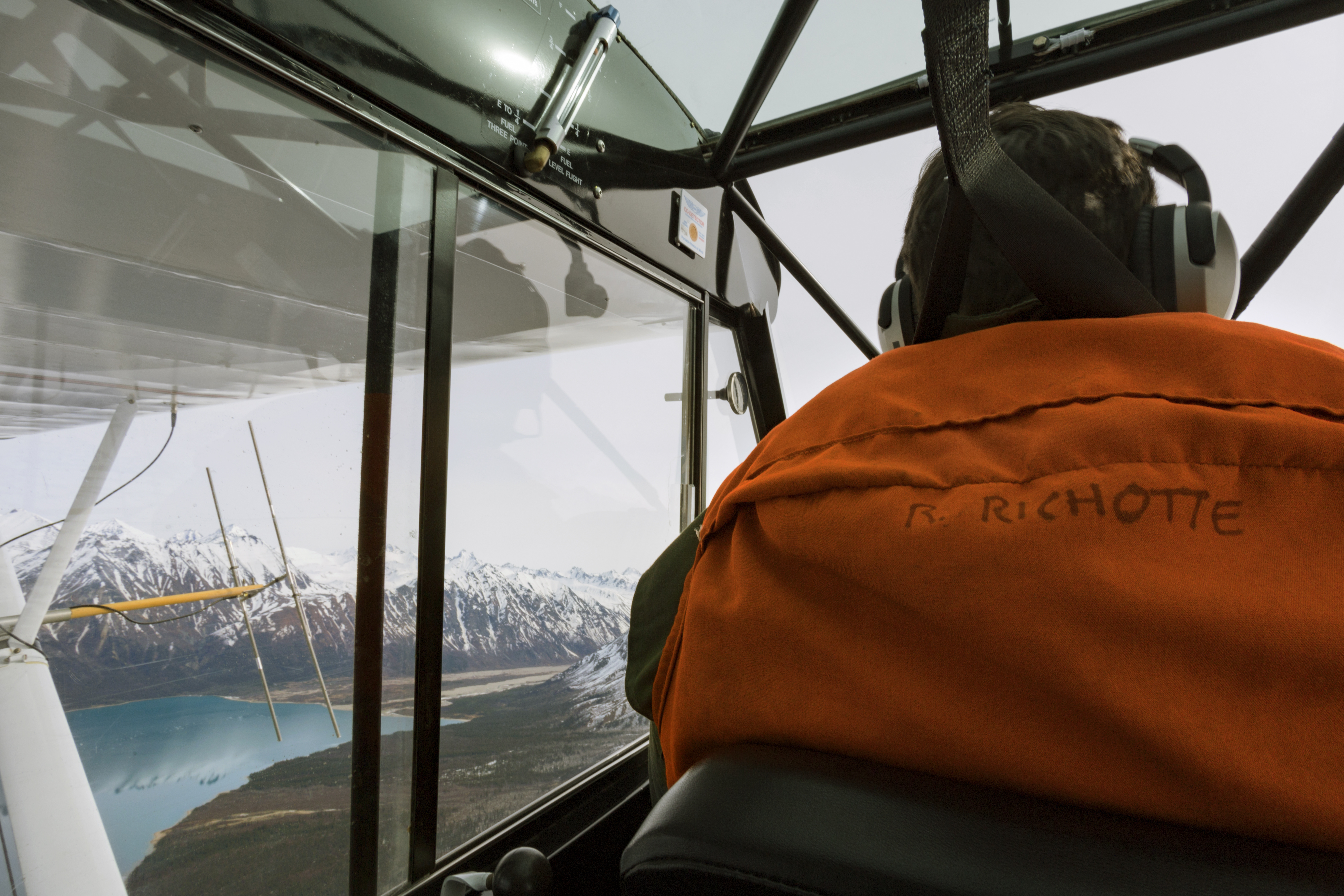
Lake Clark National Park encompasses four million acres of Alaska's most varied scenery, from the volcanic peaks of the Aleutian Range to the turquoise waters of its namesake lake to the coastal mudflats of Cook Inlet where brown bears gather to dig for razor clams. Two active volcanoes, Iliamna and Redoubt, steam on the park's western skyline, while the eastern side drains through pristine salmon rivers into Bristol Bay, home to the world's largest sockeye salmon fishery. The park's twin draws are bear viewing and backcountry solitude. At the coast, bears congregate at Chinitna Bay and Silver Salmon Creek, where guided visitors photograph them fishing, nursing cubs, and grazing on sedge grass at remarkably close range. Inland, the headwaters of the Mulchatna and Tlikakila rivers offer world-class rafting and fishing through landscapes few humans ever see. Lake Clark is one of the least visited national parks, with no roads connecting it to the outside world. All access is by small aircraft from Anchorage, Homer, or Kenai. That remoteness is the point: this is Alaska at its most wild, with no development, no crowds, and no compromise.

Things to Do

  • Watch bears fish at Chinitna Bay
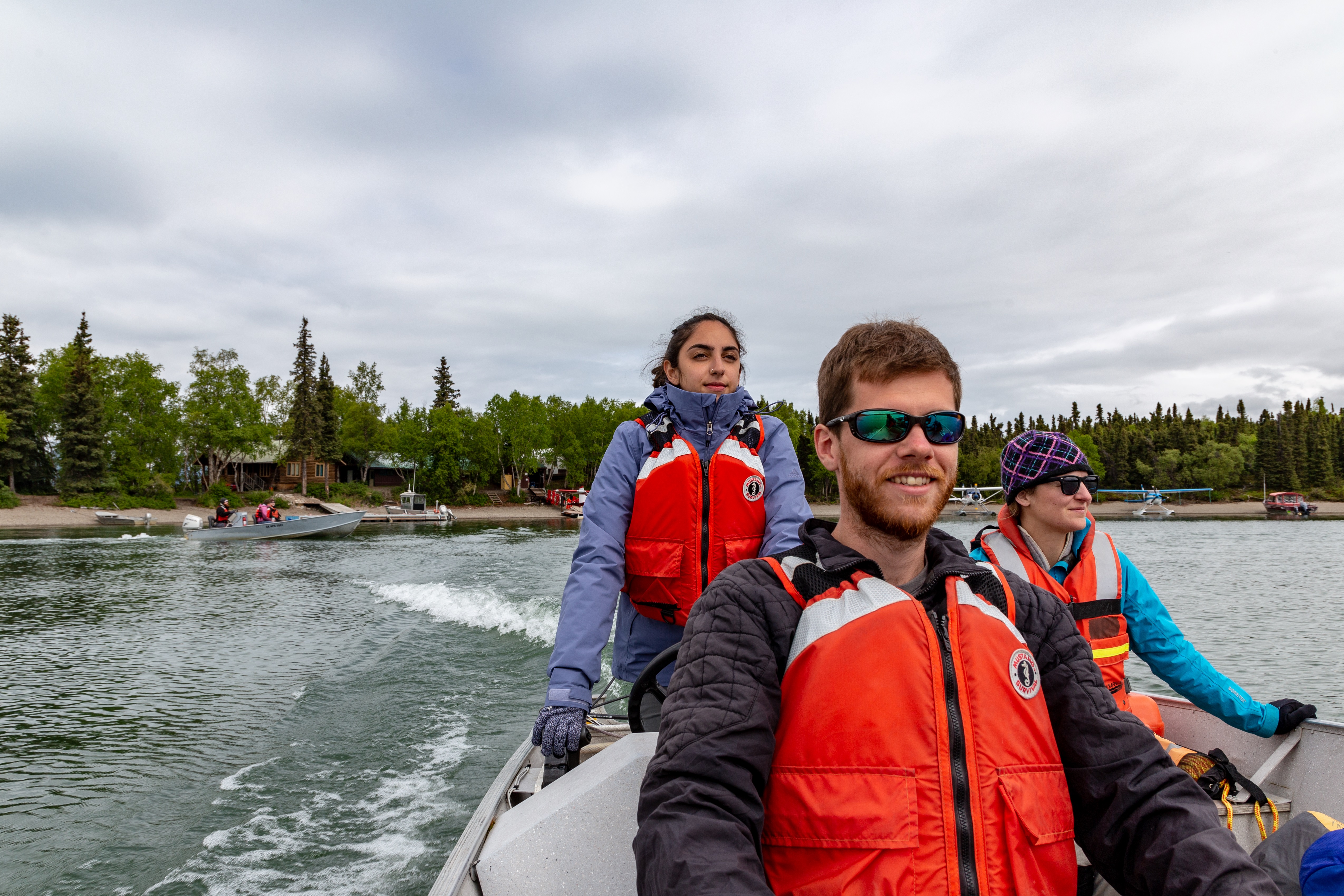
  • Fly in by bush plane from Anchorage
  • Fish for sockeye salmon on the Crescent River
  • Raft the Tlikakila or Mulchatna River
  • Hike to turquoise Kontrashibuna Lake
  • Photograph Redoubt and Iliamna volcanoes
  • Kayak the shores of Lake Clark

NPS Priest Rock Public Use Cabin

Sites available

Wildlife

Keep an eye out for these animals during your visit:

Brown Bear Sockeye Salmon Moose Dall Sheep Bald Eagle Beluga Whale Lynx

Pro Tips

  • 💡 Bear viewing lodges on the coast book a year in advance — plan early
  • 💡 Flights from Anchorage take about an hour but are weather-dependent; build buffer days into your trip
  • 💡 Port Alsworth on Lake Clark is the main staging area with a few small lodges
  • 💡 The park has no cell service — bring a satellite communicator for emergencies
  • 💡 Combining a coast bear viewing trip with an inland fishing or rafting trip makes the most of the flight cost

Weather & Best Time to Visit

Coastal areas are cool and foggy with highs of 50-65°F in summer. Inland valleys can be warmer. Rain and flight-canceling weather are common throughout the season.

Best seasons: Summer