Park Closure:Cholla Cactus Garden Trail Closed
Caution:Oasis of Mara Trail Partial Closure
Caution:Inaccurate Third-Party Apps
Details
Joshua Tree National Park

Joshua Tree

Moderate California

Overview

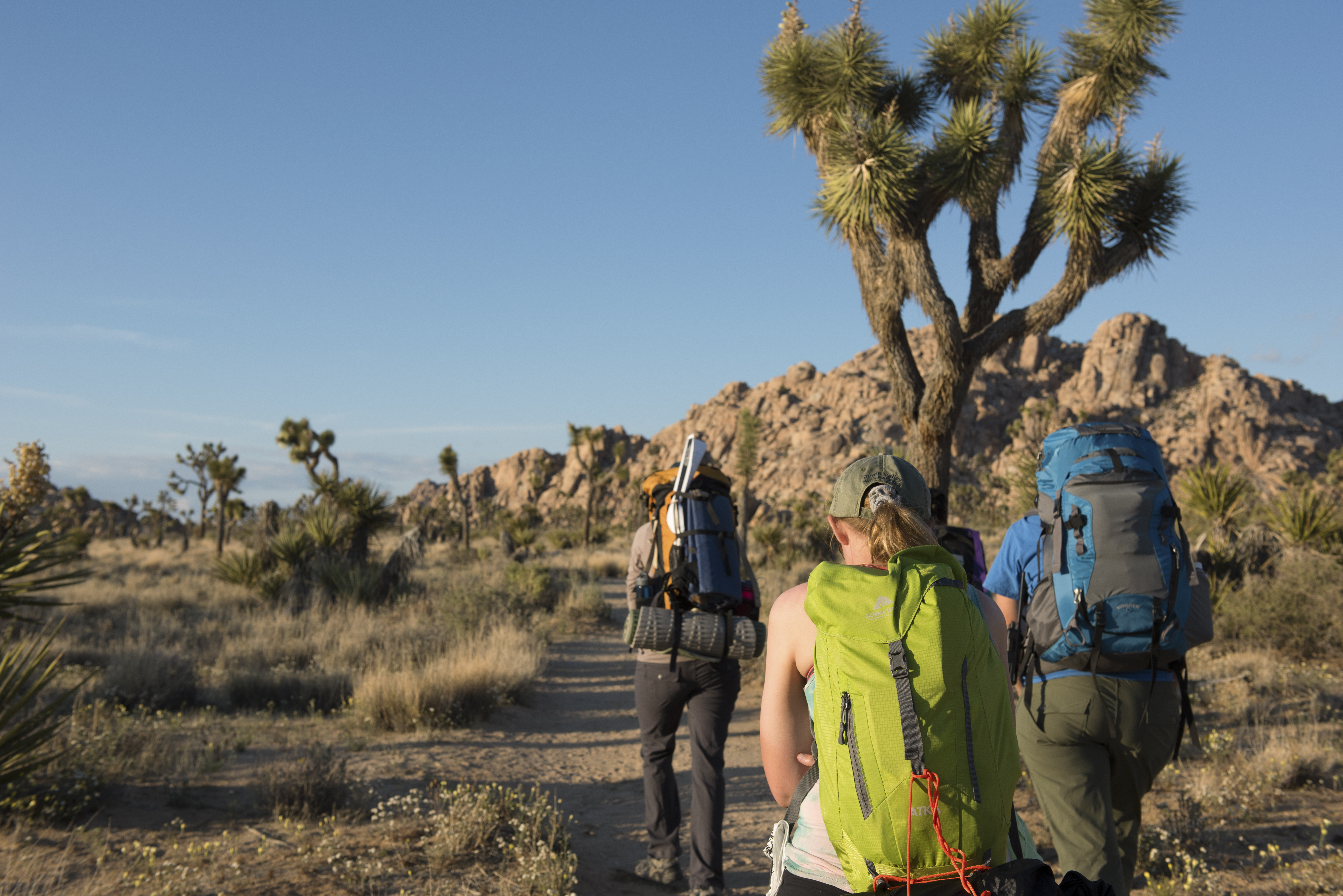
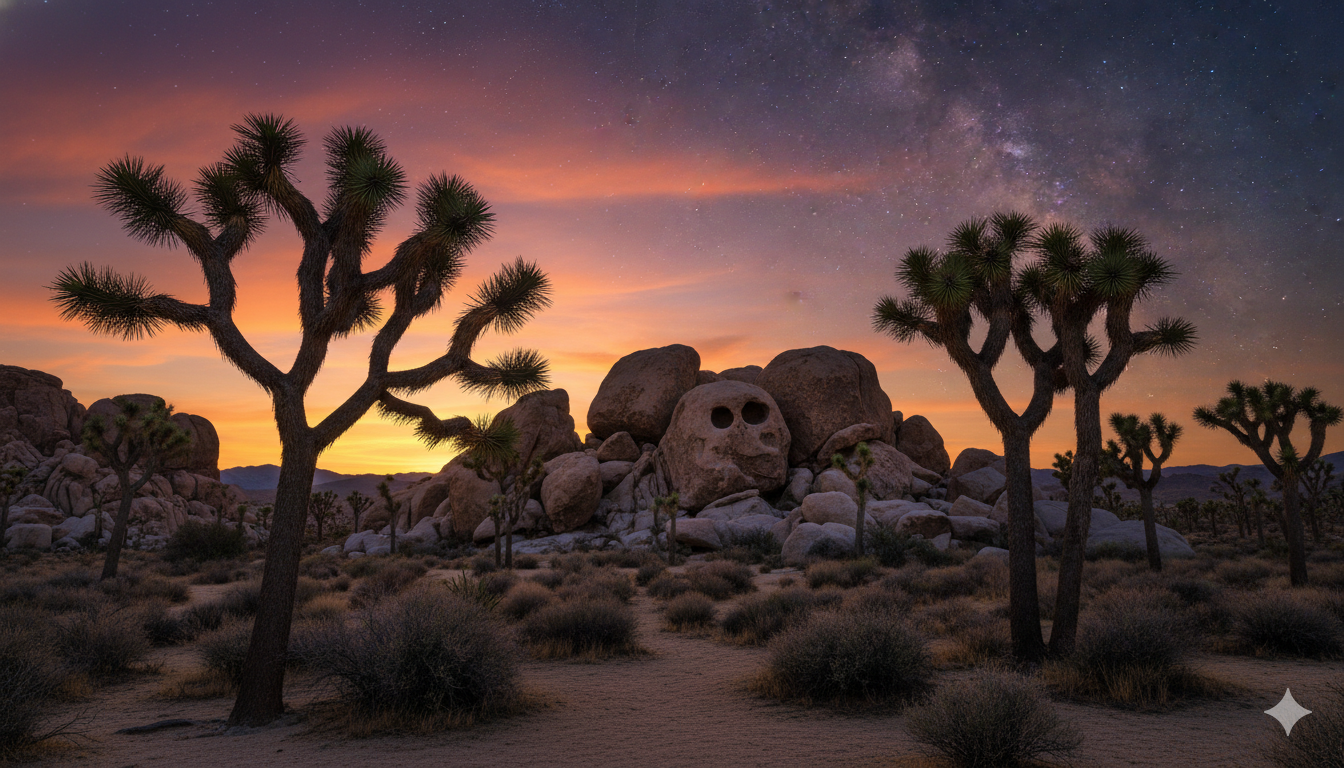
Joshua Tree National Park straddles two distinct desert ecosystems across 800,000 acres of Southern California. The higher, cooler Mojave Desert in the park's western half supports the forests of twisted Joshua trees (actually giant yuccas) that give the park its name, while the lower Colorado Desert to the east and south is sparser, hotter, and filled with cholla cactus gardens, fan palm oases, and creosote flats. Where the two deserts meet, the landscape shifts in dramatic fashion. The park's jumbled granite monoliths — some piled five stories high — draw rock climbers from around the world, with over 8,000 documented climbing routes ranging from beginner slabs to expert overhangs. Non-climbers hike among the boulders on trails to Ryan Mountain (panoramic 360-degree views), Barker Dam (a historic cattle-ranching water catchment now visited by bighorn sheep), and the Hidden Valley nature loop. Skull Rock, a natural formation that looks exactly like its name, is the park's most photographed non-tree feature. Joshua Tree has become a cultural landmark beyond its natural features, associated with desert counterculture, music (U2 named an album after it), and the Instagram-age aesthetic of desert minimalism. The real magic, though, is in the night sky: the park's dark skies are within reach of the Los Angeles metropolitan area, and stargazing here is a revelation for city dwellers who have never seen the Milky Way.

Things to Do

  • Hike Ryan Mountain for 360-degree desert views
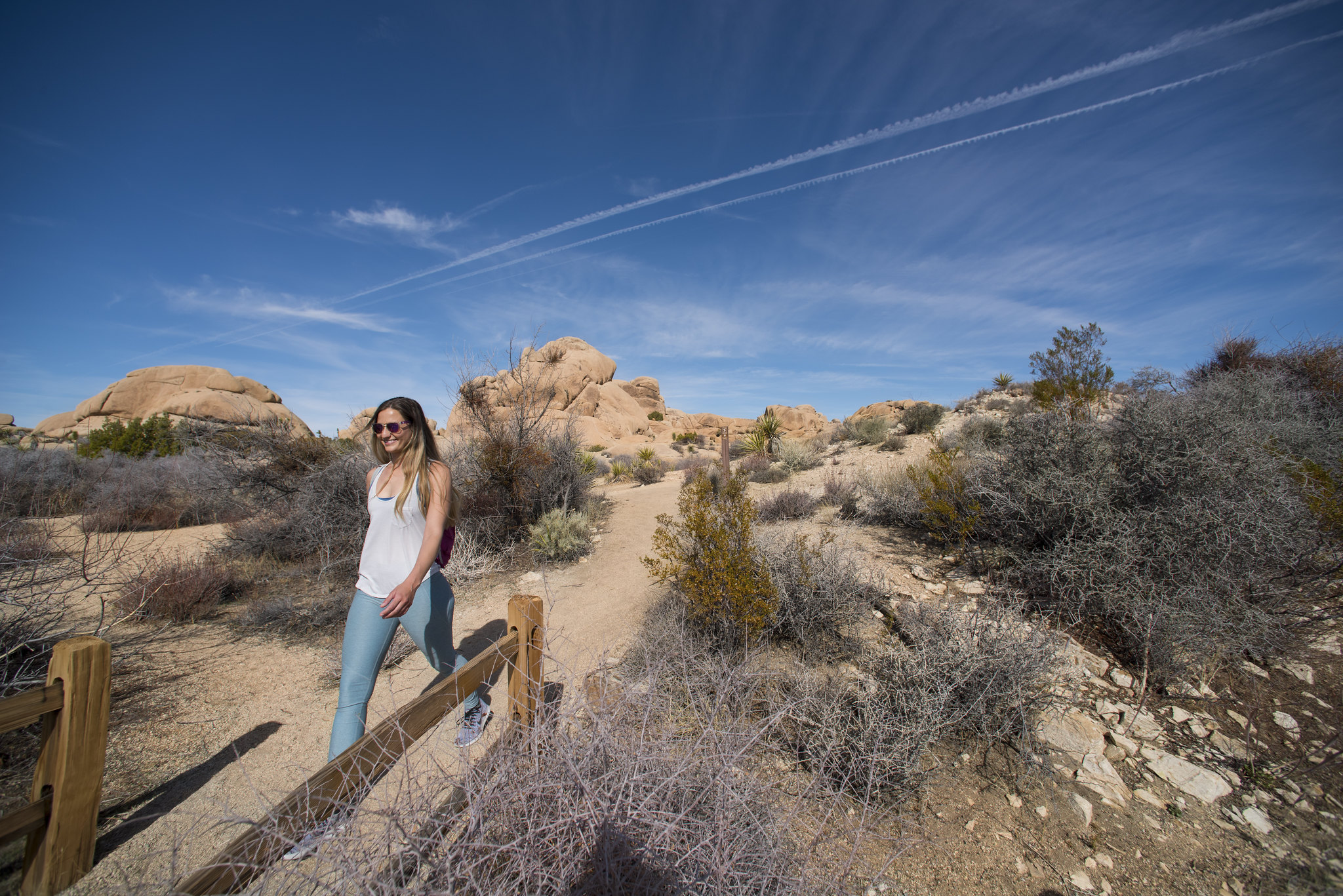
  • Walk the Hidden Valley nature loop among boulders
  • Rock climb on world-class granite formations
  • Photograph Joshua trees at sunset in Queen Valley
  • Stargaze under some of SoCal's darkest skies
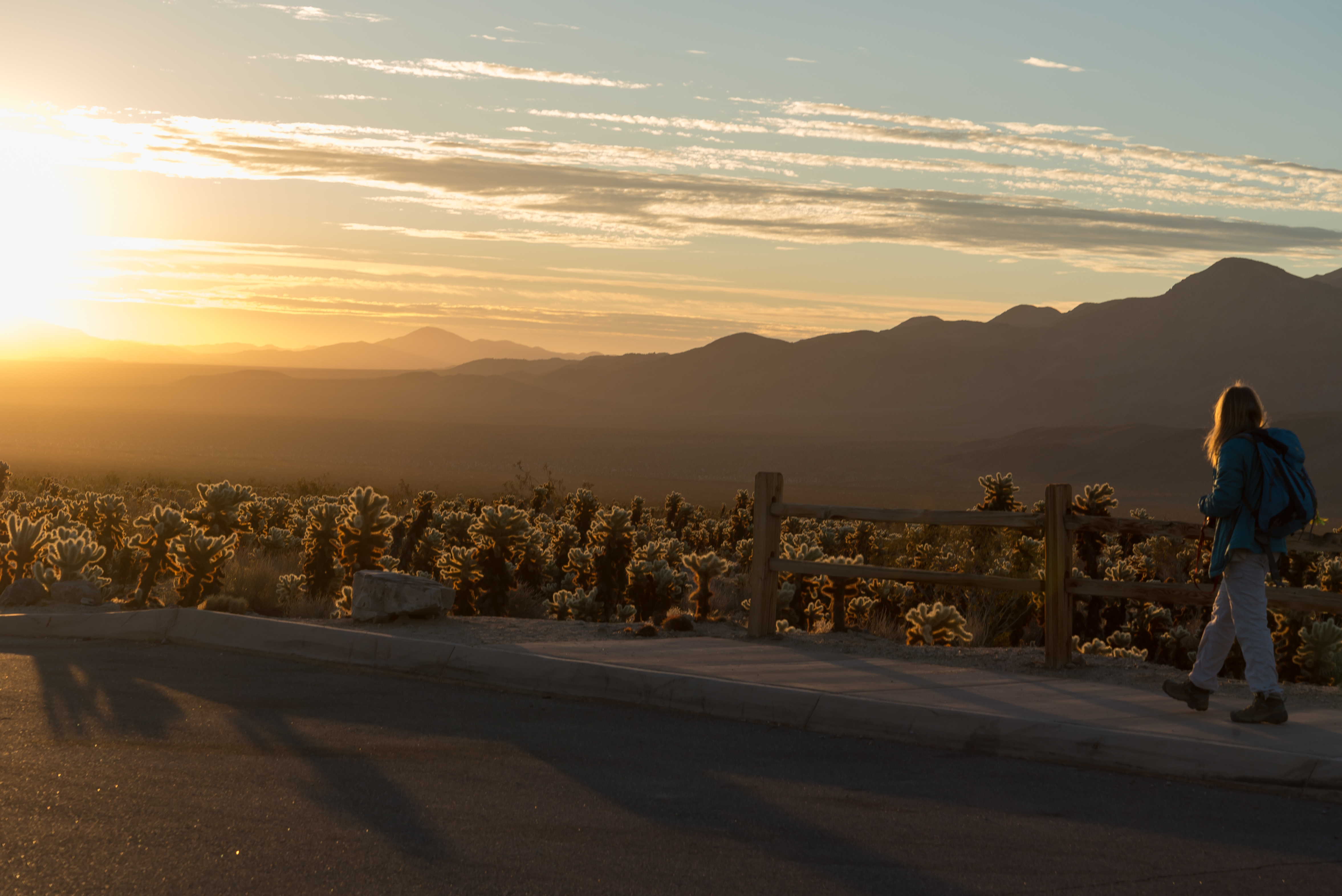
  • Walk through the Cholla Cactus Garden at golden hour
  • Visit the Keys View overlook for Coachella Valley panoramas
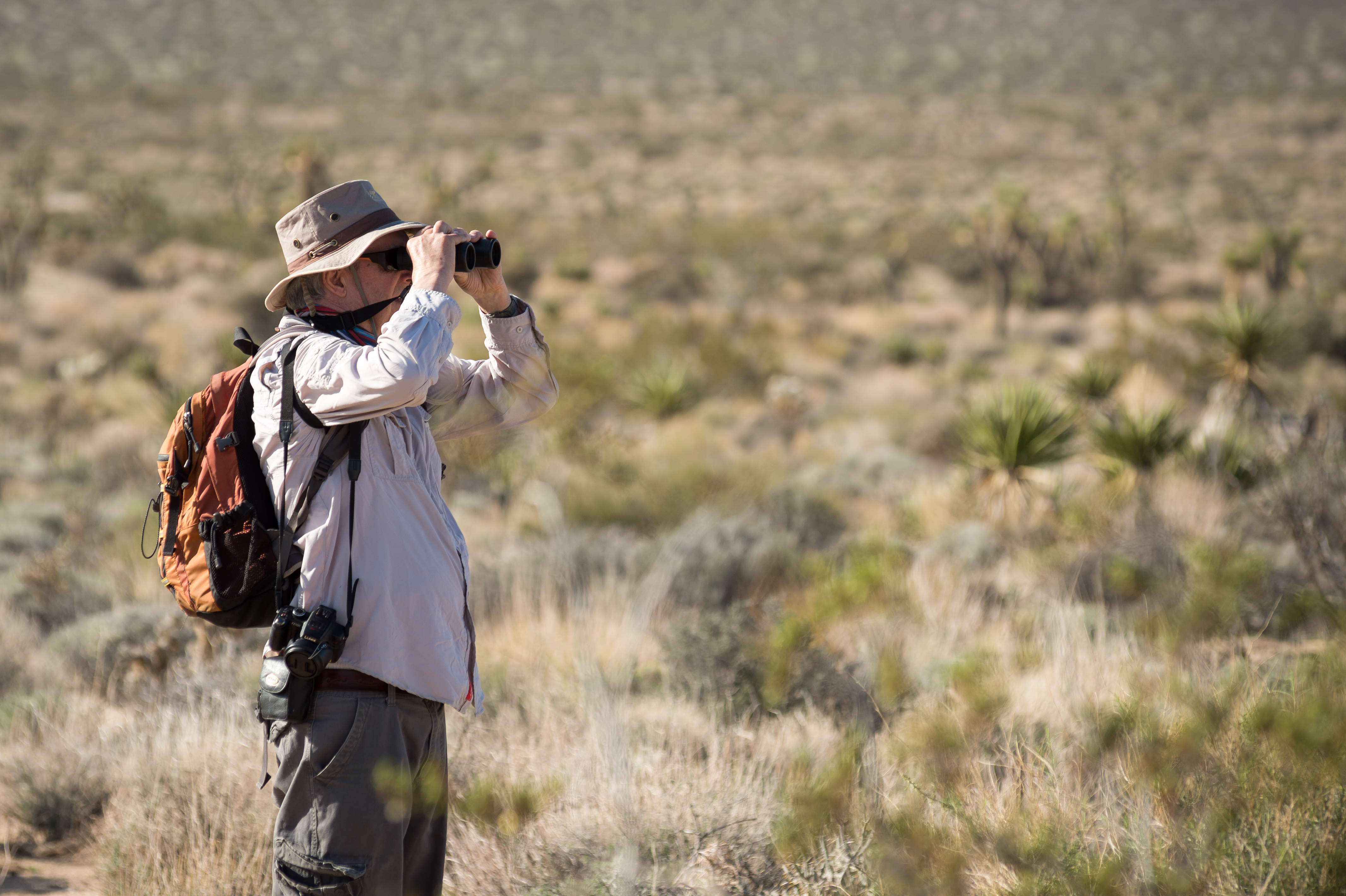
  • Explore Barker Dam and look for bighorn sheep
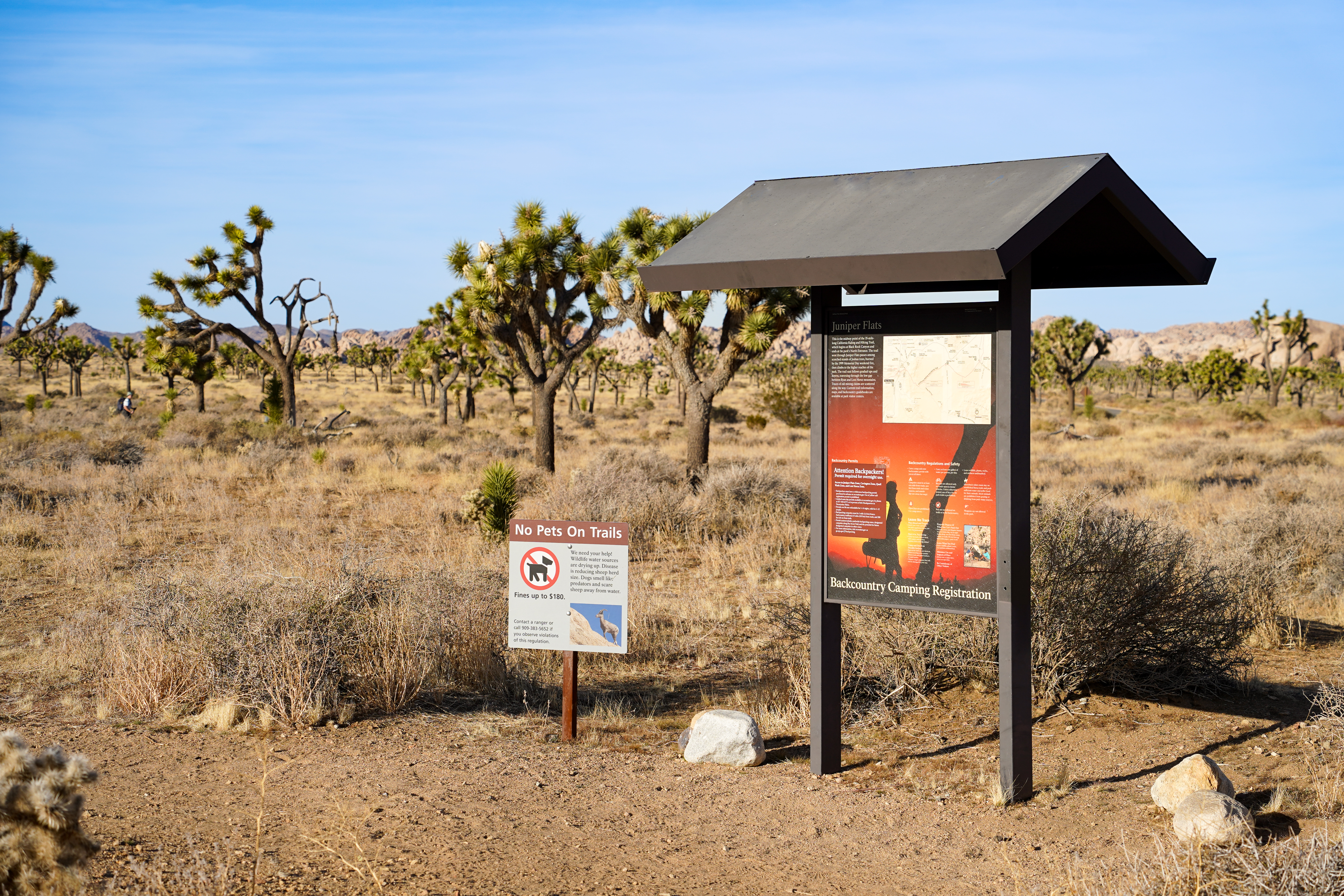
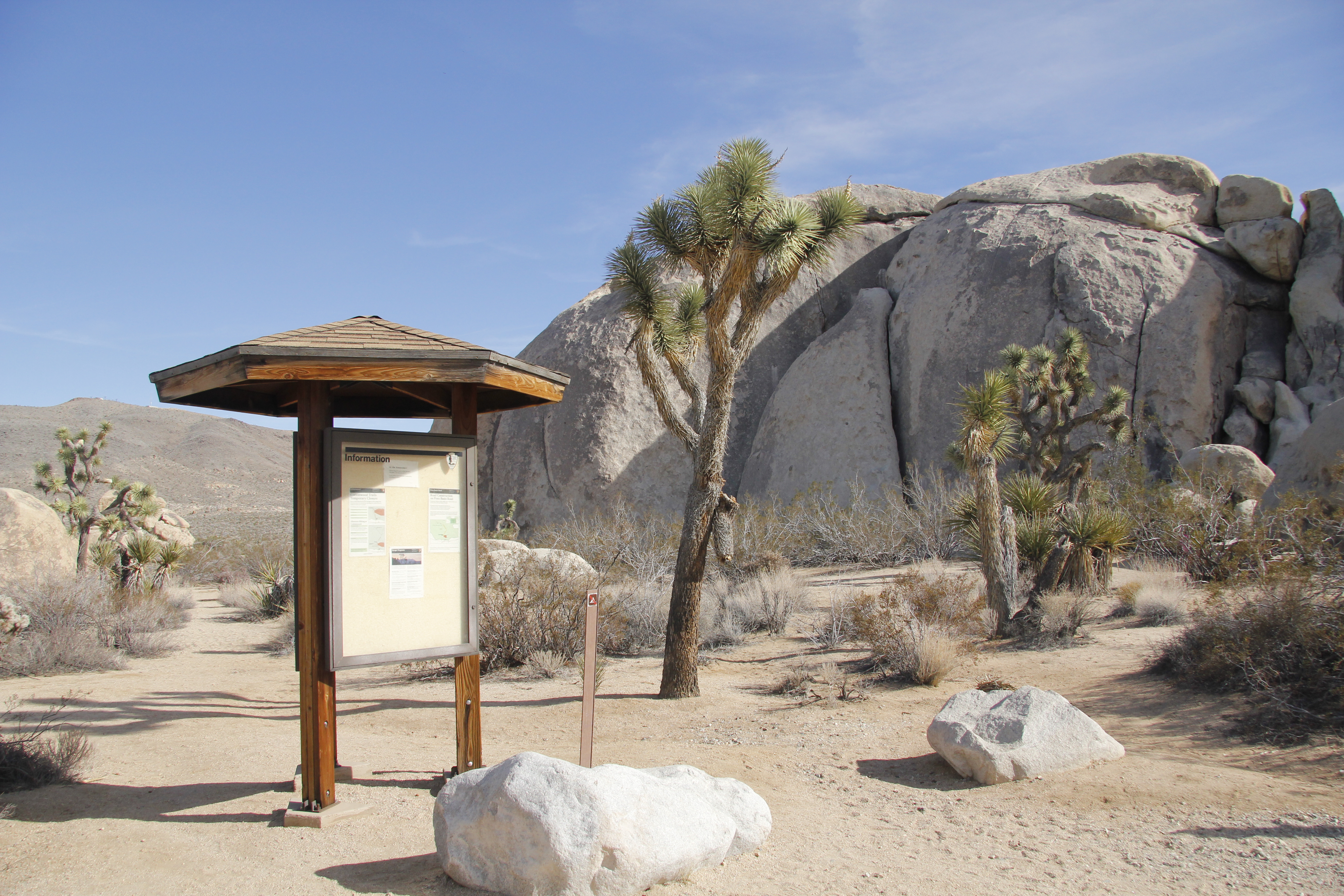
Belle Campground information board is shown in front of a trail and a Joshua tree.

Belle Campground

Sites available

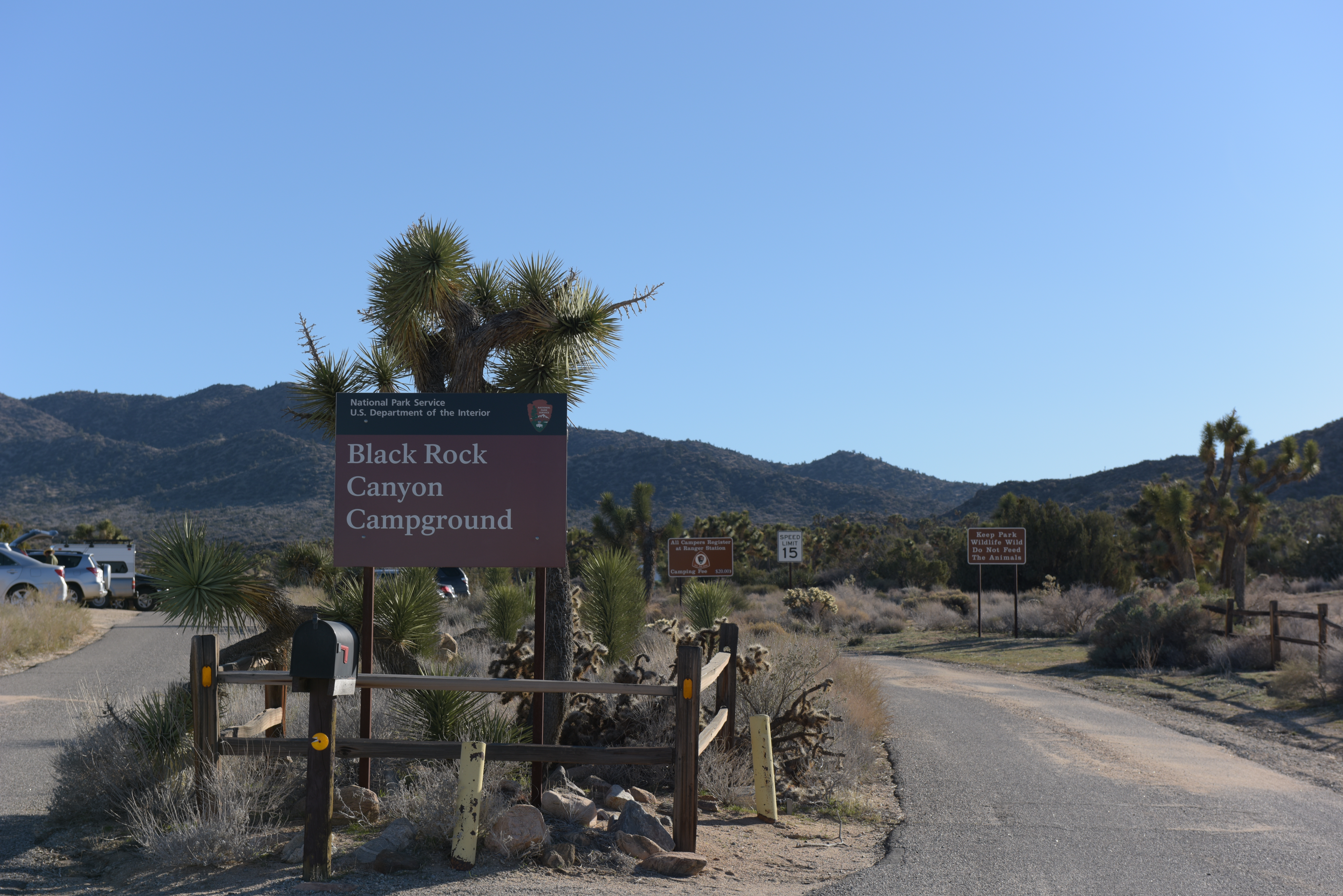
A road leads past a sign that says "Black Rock Canyon Campground"

Black Rock Campground

Sites available

RestroomsWater
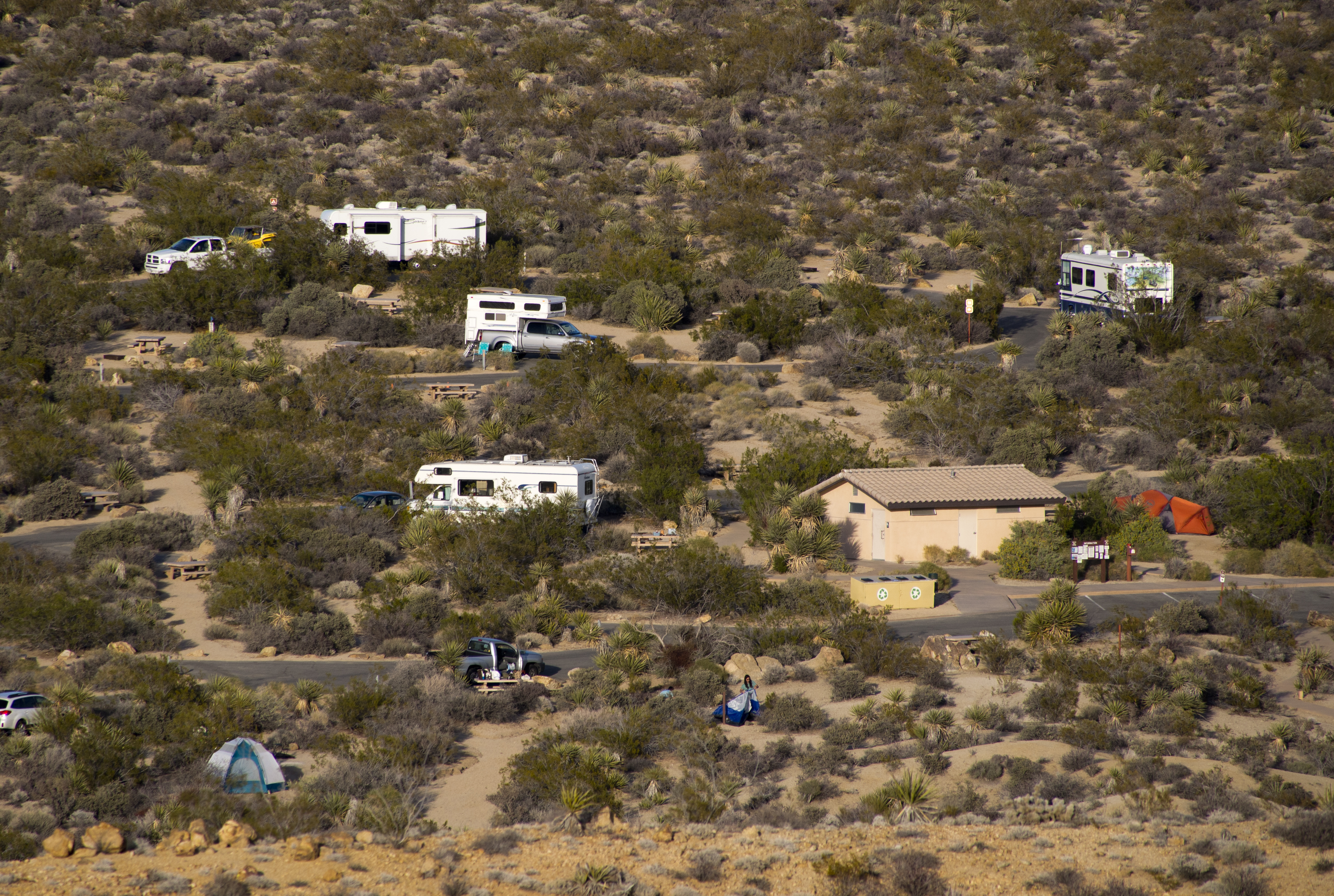
A view looking down onto the Cottonwood Campground showing the bathrooms, tent sites and RV sites.

Cottonwood Campground

Sites available

RestroomsWater
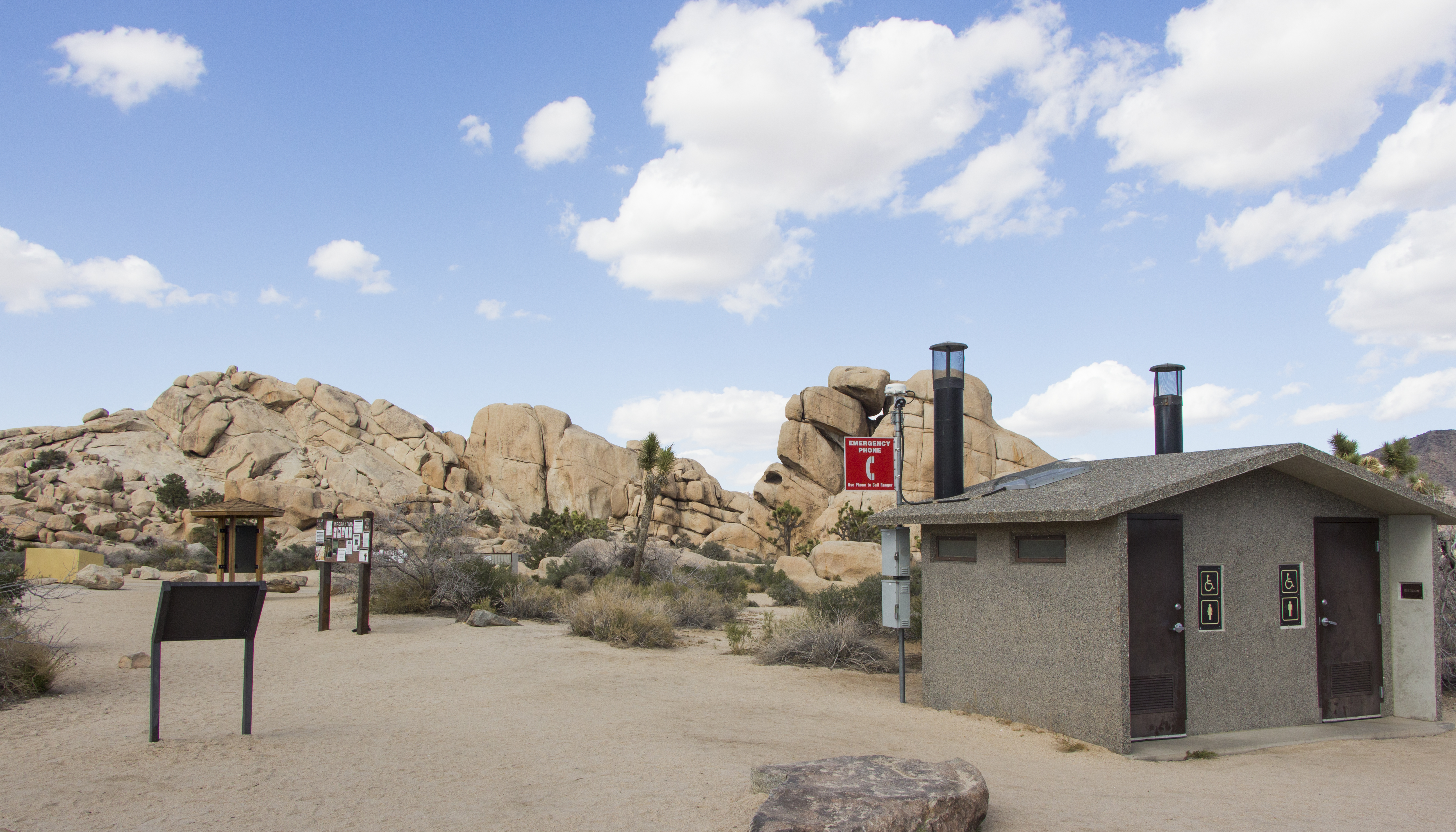
A pit toilet, information board, emergency phone and a path.

Hidden Valley Campground

Sites available

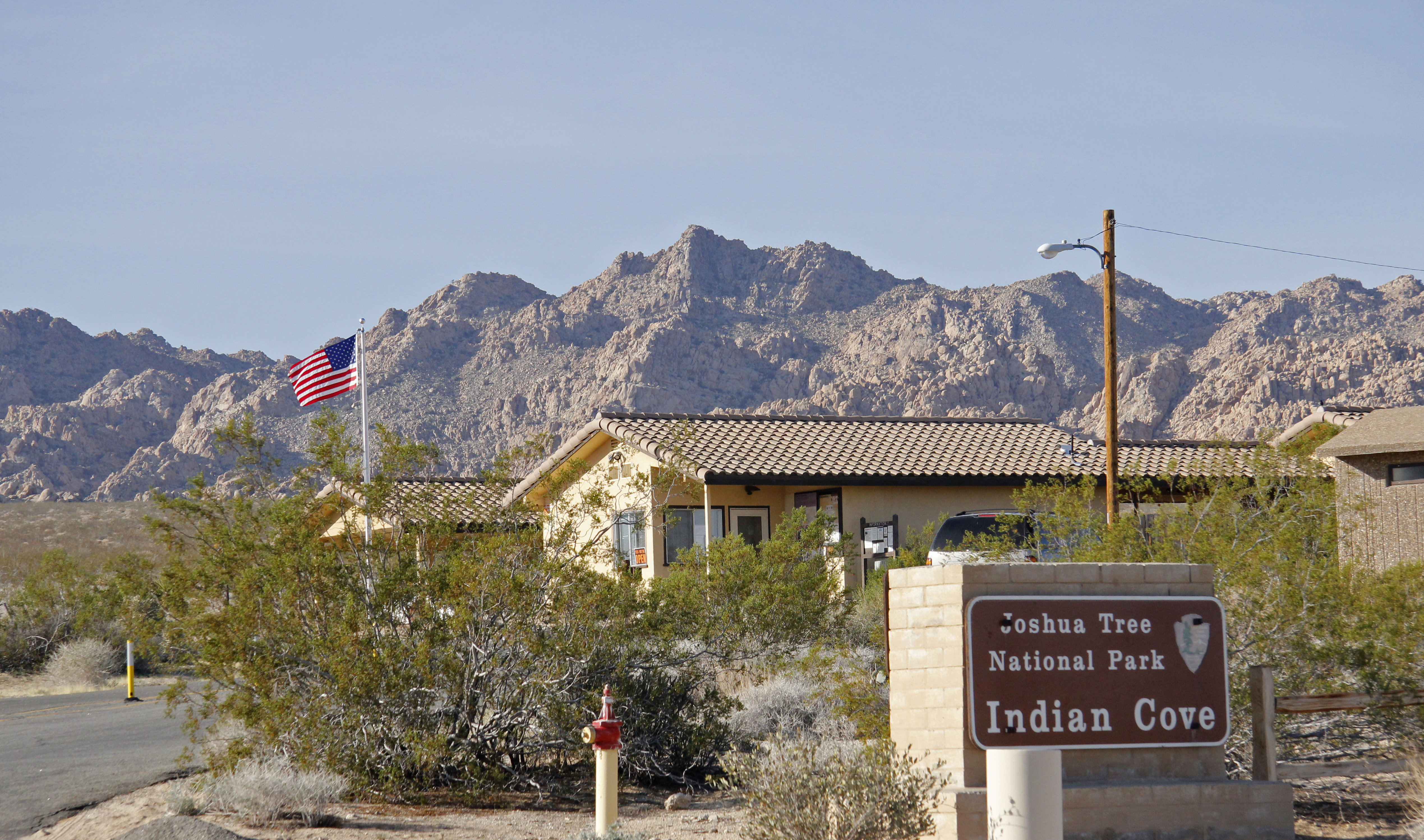
A sign that reads 'Joshua Tree National Park... Indian Cove'. Behind it is a building.

Indian Cove Campground

Sites available

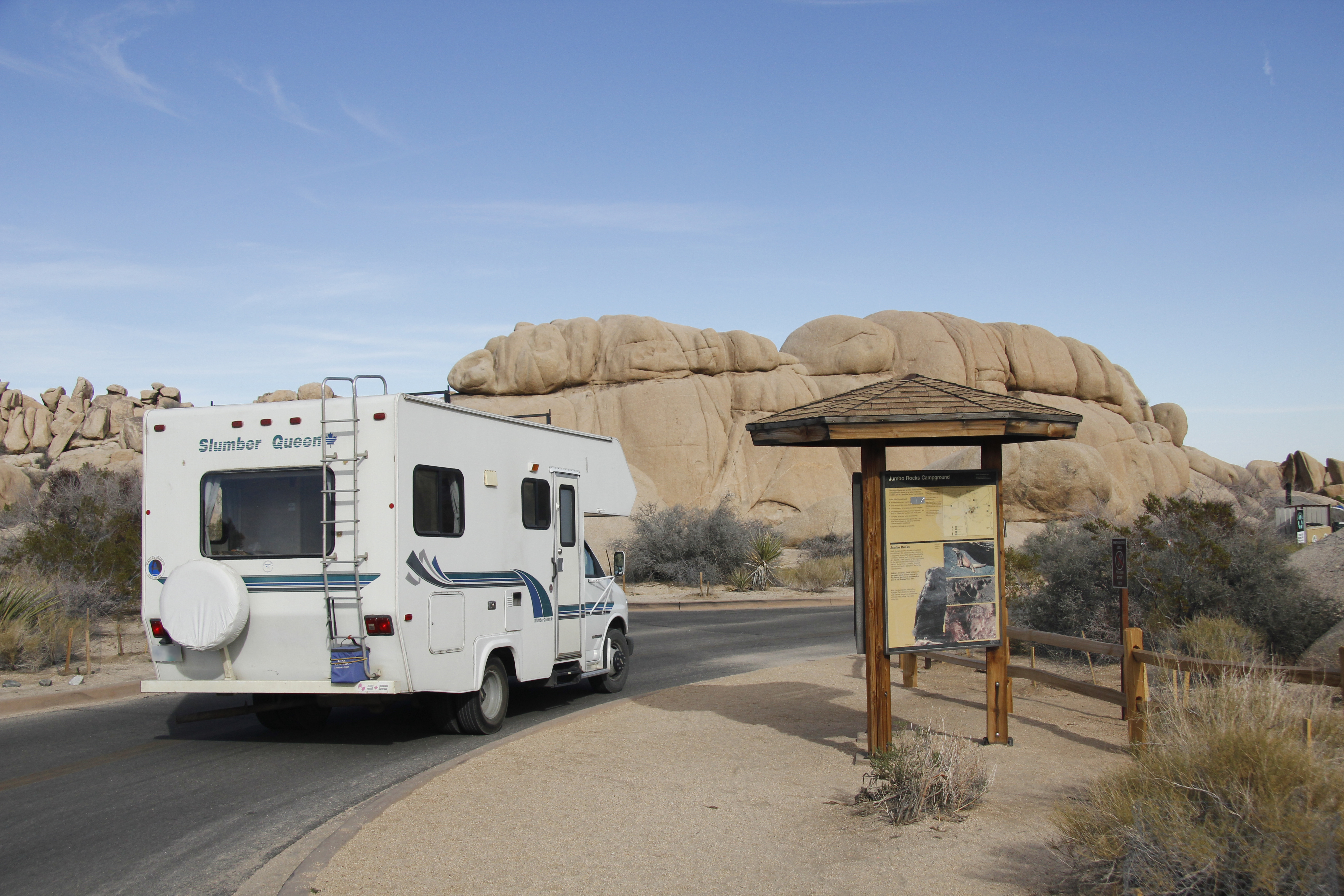
An RV drives past an campground information board.

Jumbo Rocks Campground

Sites available

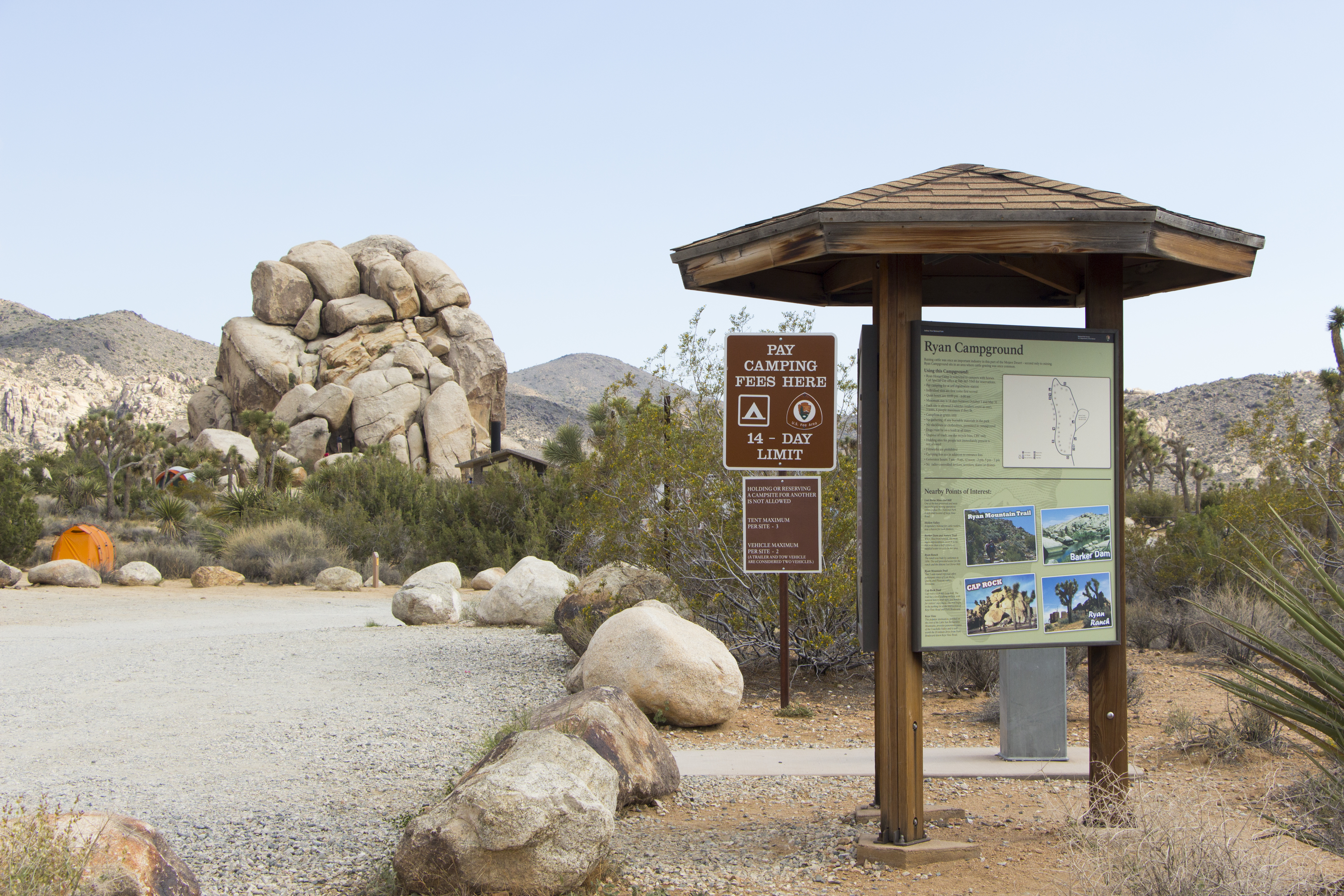
An unpaved road and campground signage is surrounded by vegetation and rock formations.

Ryan Campground

Sites available

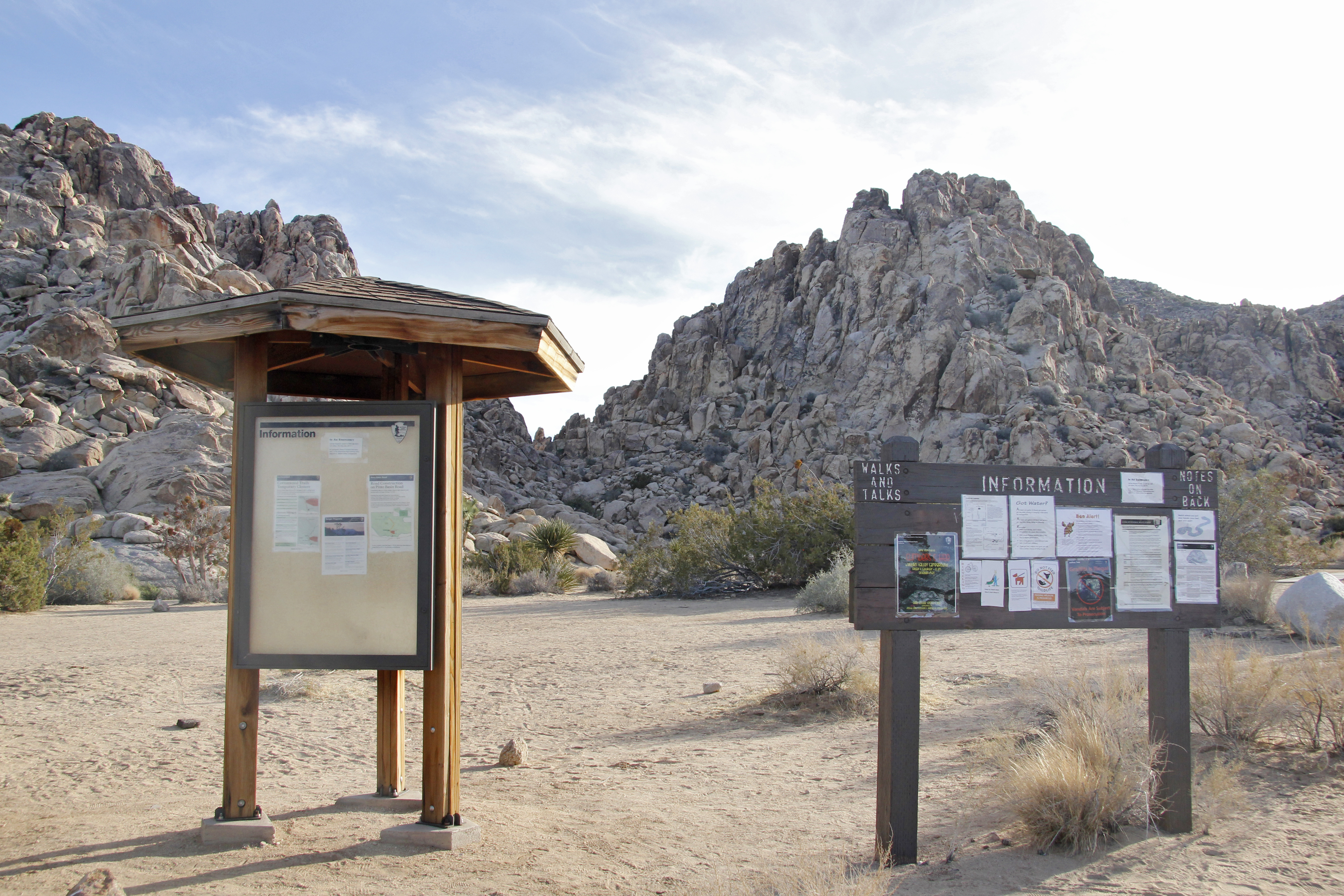
Two informational boards at the sheep pass group campground with large rocky outcrops behind them.

Sheep Pass Group Campground

Sites available

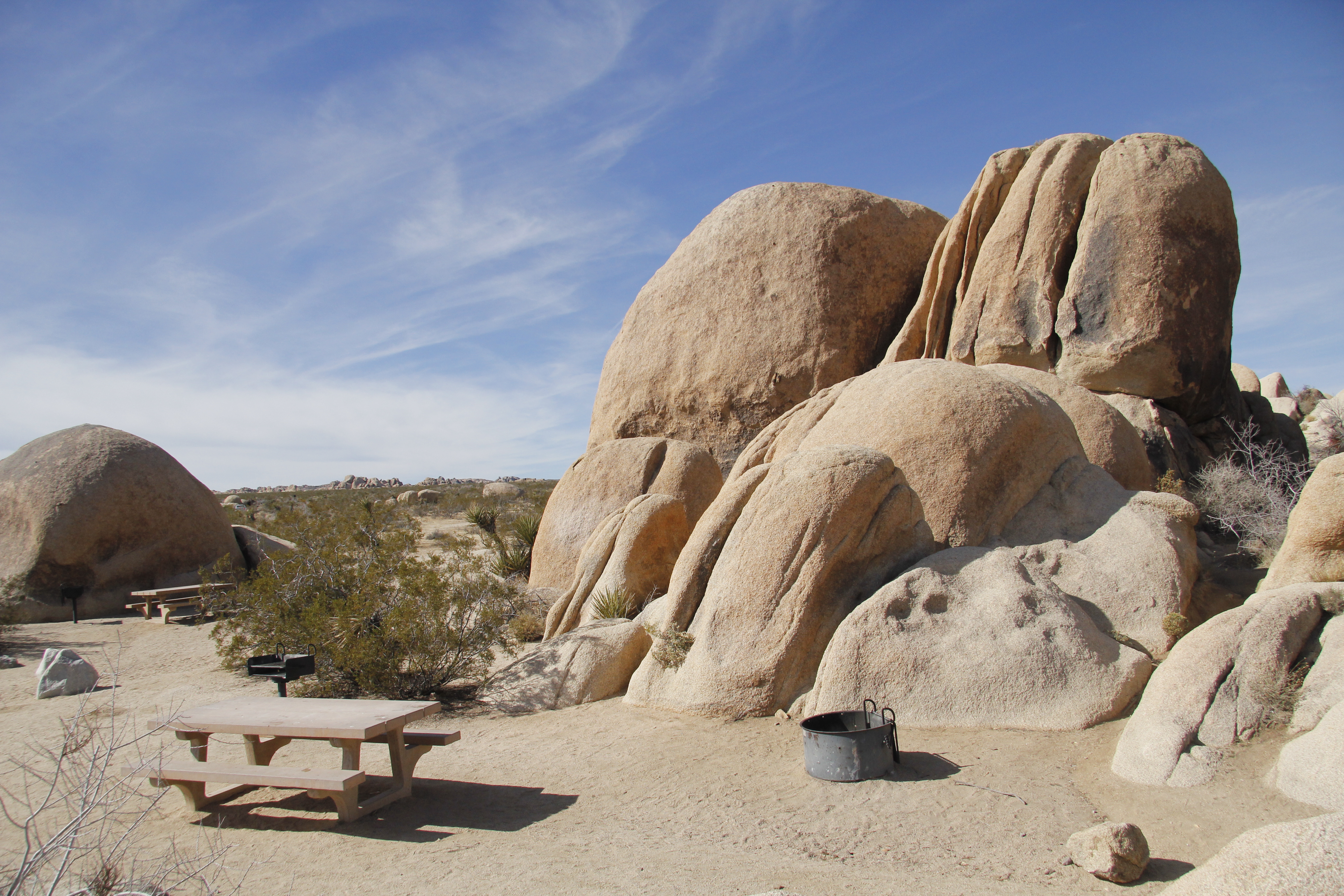
A picnic table and fire pit are in a campsite. Behind them are large boulders.

White Tank Campground

Sites available

Wildlife

Keep an eye out for these animals during your visit:

Desert Bighorn Sheep Coyote Desert Tortoise Roadrunner Jackrabbit Red-tailed Hawk Chuckwalla

Pro Tips

  • 💡 The Cholla Cactus Garden at sunrise or sunset is unforgettable — the backlit spines glow like fiber optics
  • 💡 Bring more water than you think; dehydration sneaks up fast in dry desert air
  • 💡 Spring (March-May) brings wildflower blooms and perfect temperatures in the 70s-80s
  • 💡 Campgrounds fill by Thursday afternoon on spring and fall weekends — arrive early or reserve ahead
  • 💡 The west entrance from Joshua Tree town accesses the best Joshua tree forests; the south entrance is sparse desert

Weather & Best Time to Visit

Hot summers with highs above 100°F at lower elevations. Spring and fall are ideal with 70-90°F days. Winter is cool and pleasant with occasional frost at night. Rare rain can cause flash floods.

Best seasons: Spring, Fall