Park Closure:Haleakalā Visitor Center Closed 2/19 through the week of 5/17
Information:No Water at Hosmer Campground
Information:Expect Long Waits at the Summit Entrance Station Before Sunset
+2 more alerts
Haleakala National Park

Haleakala

Moderate Hawaii

Overview

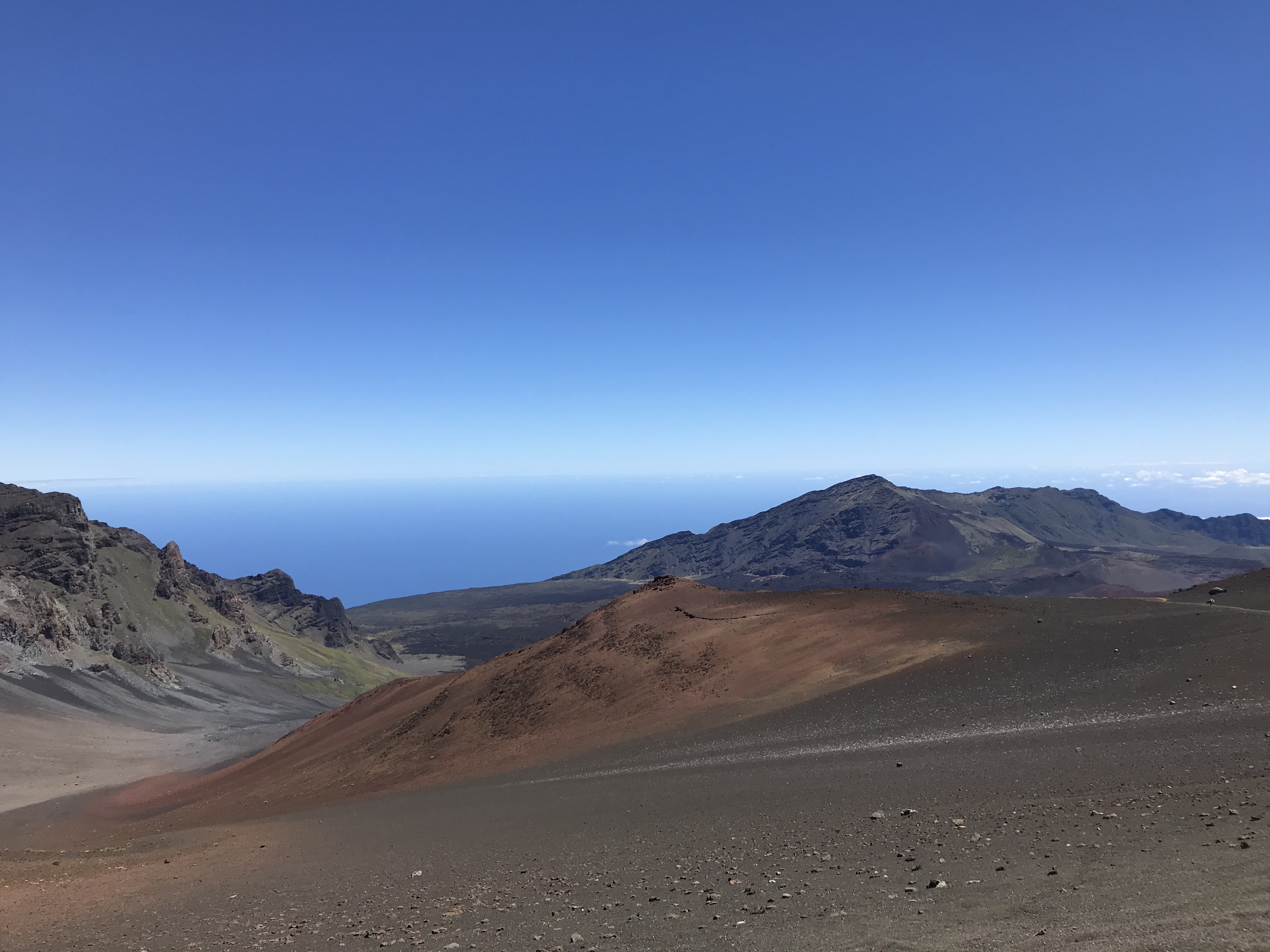
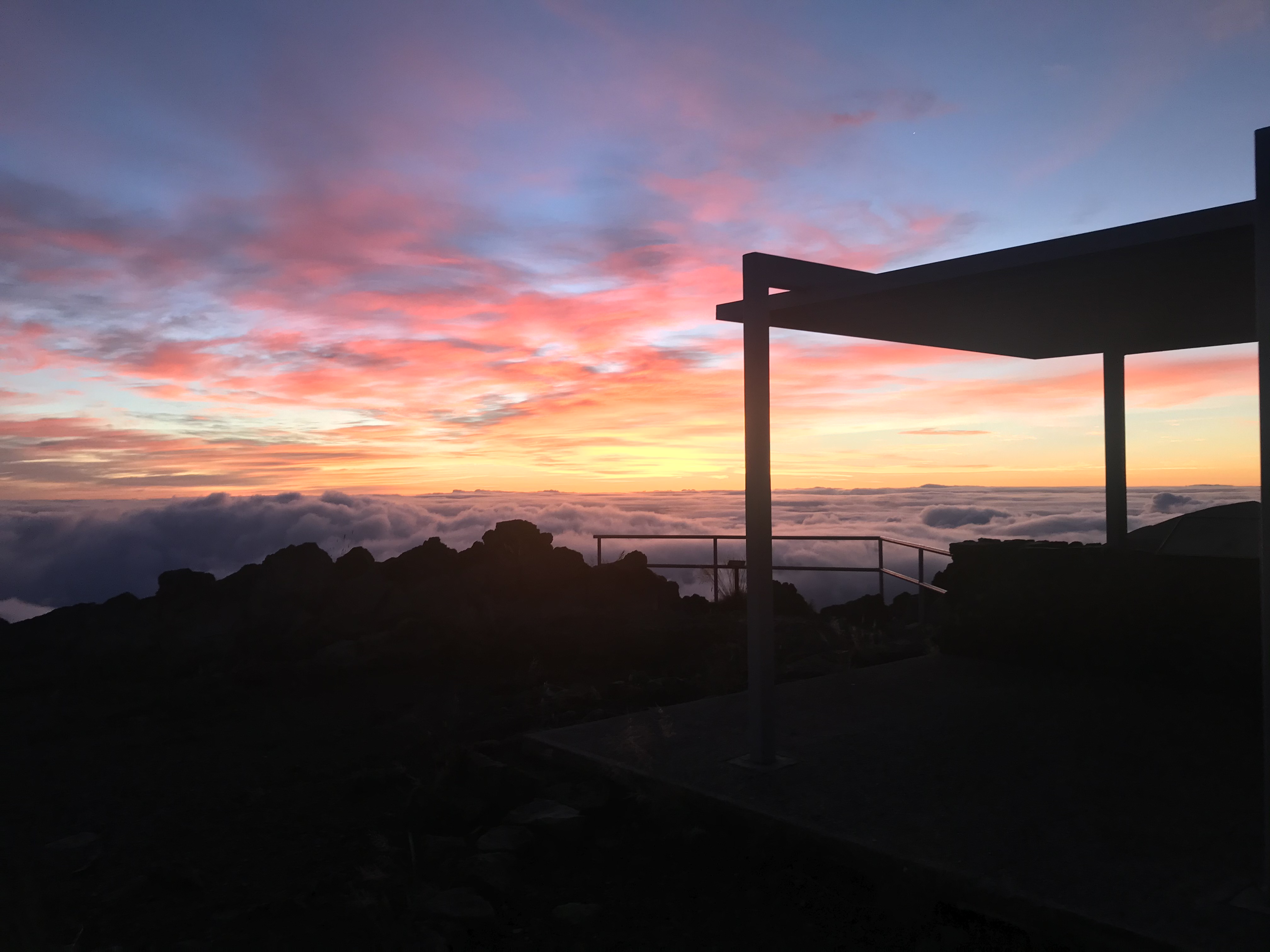
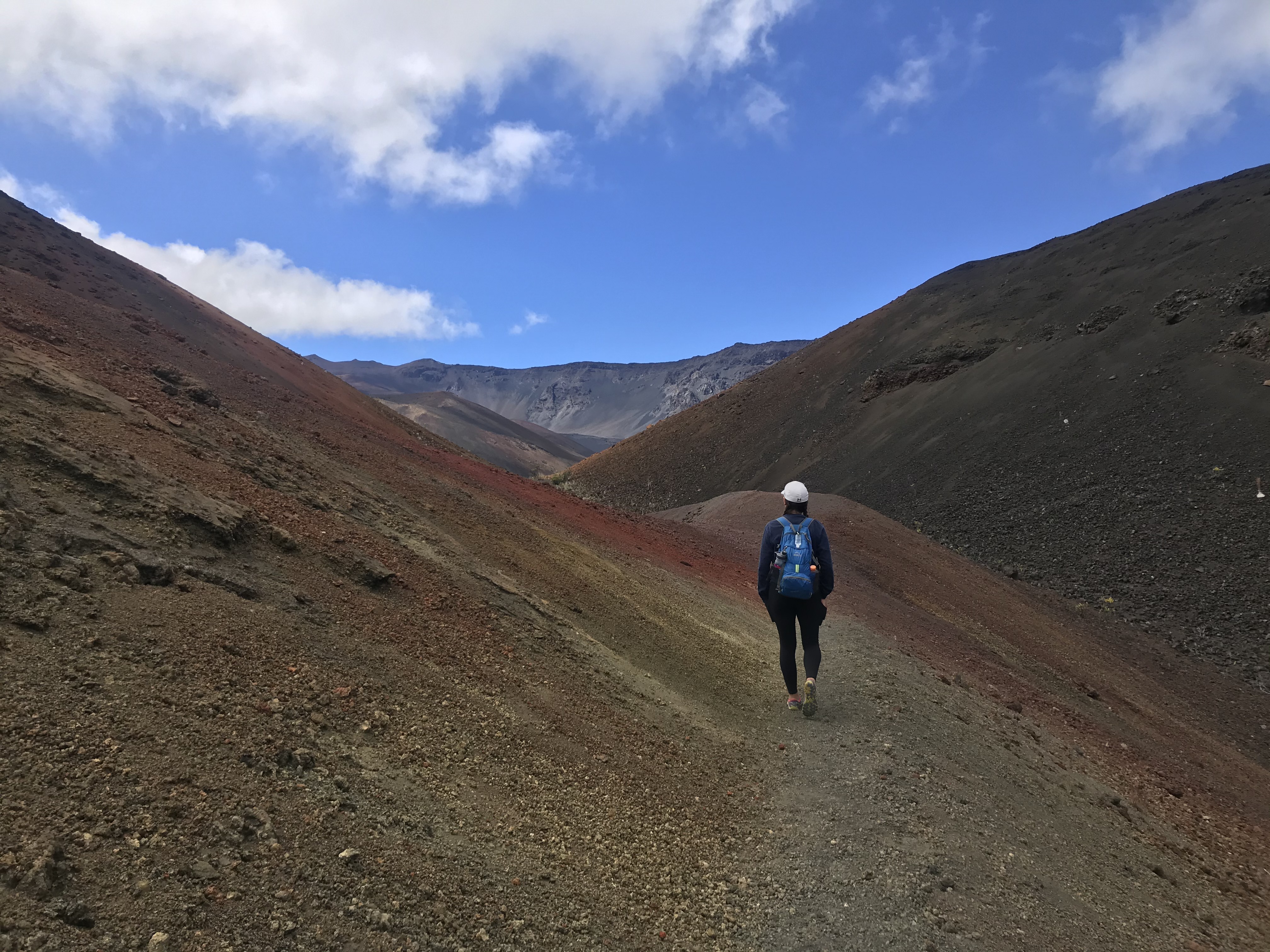
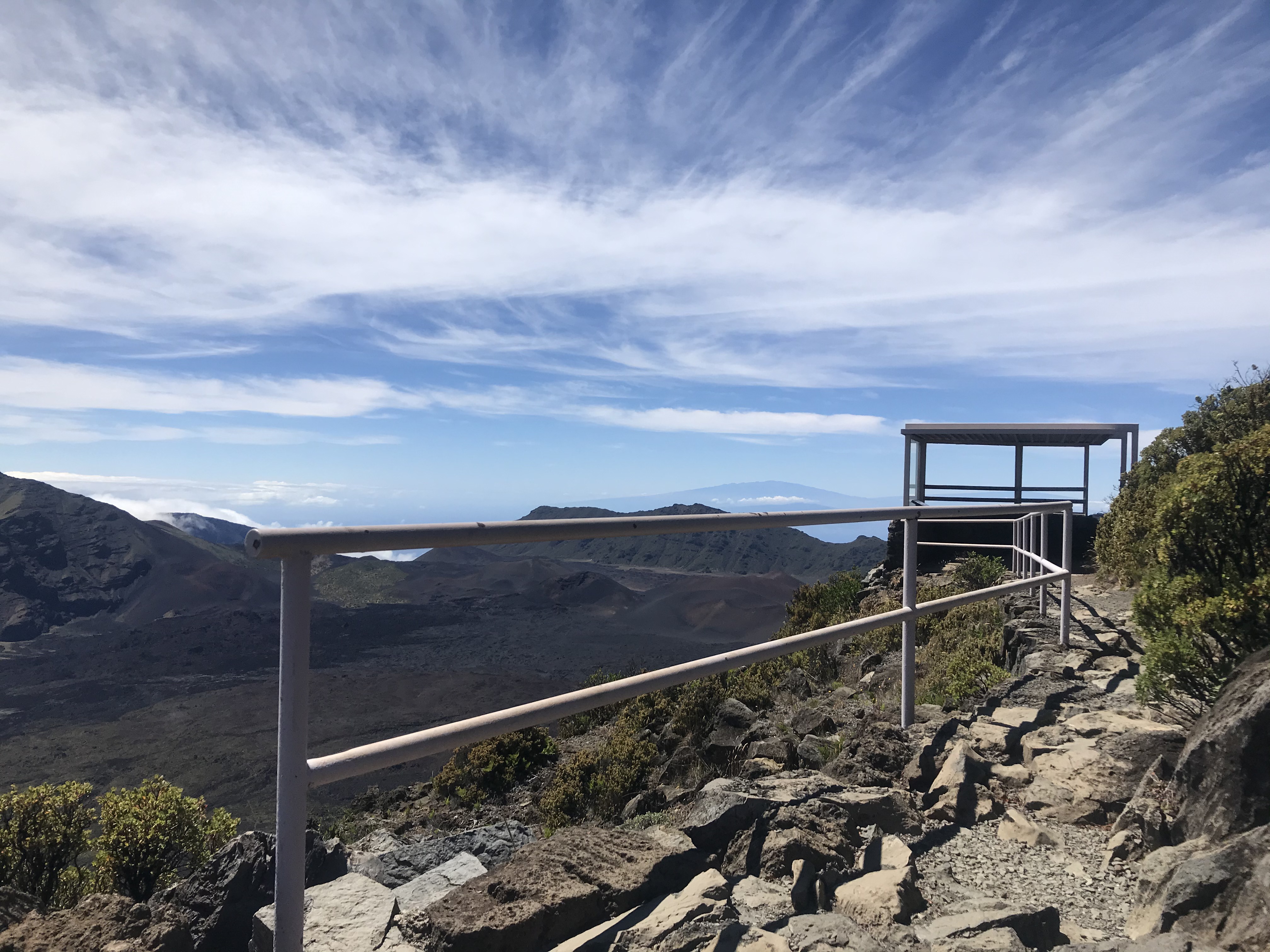
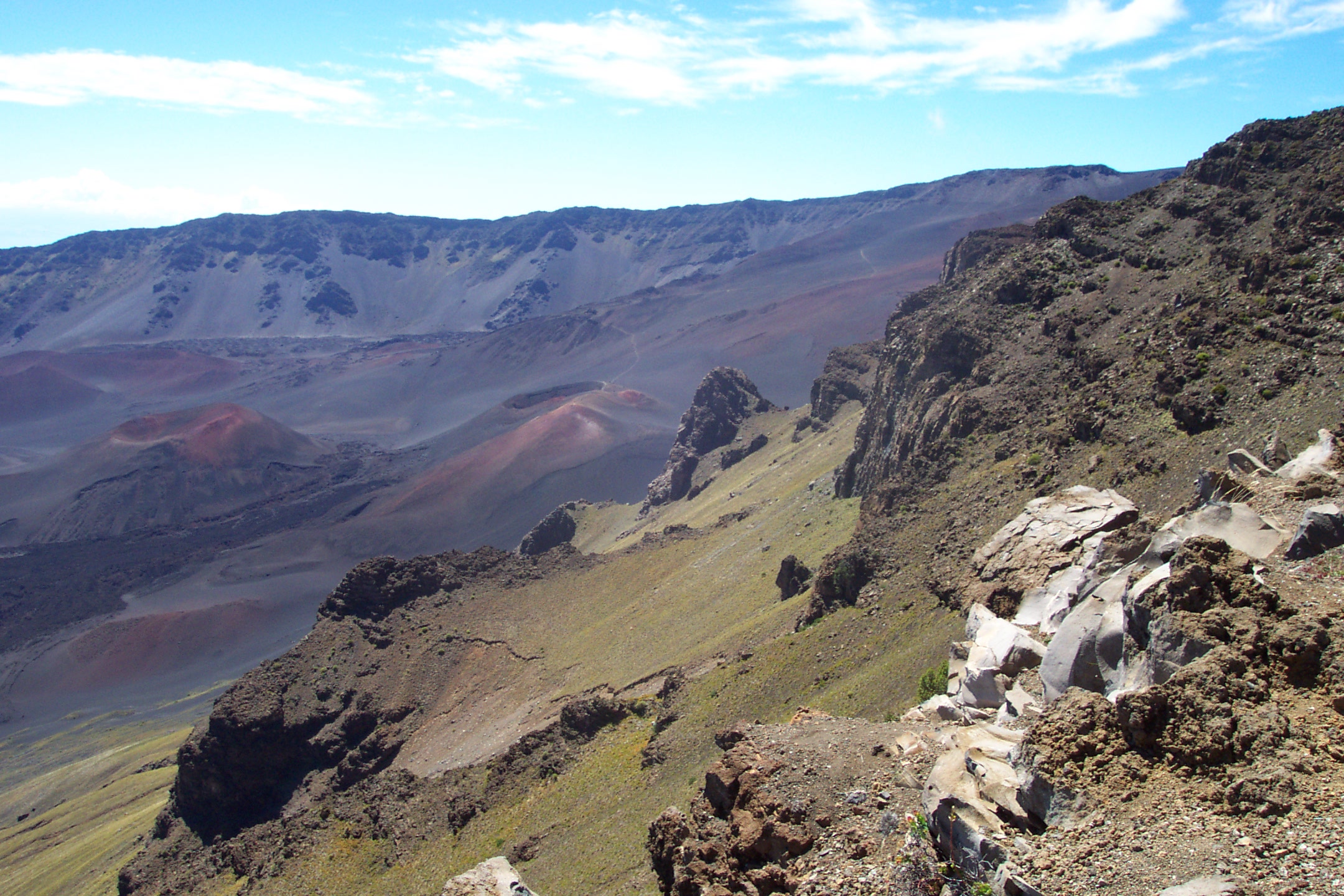
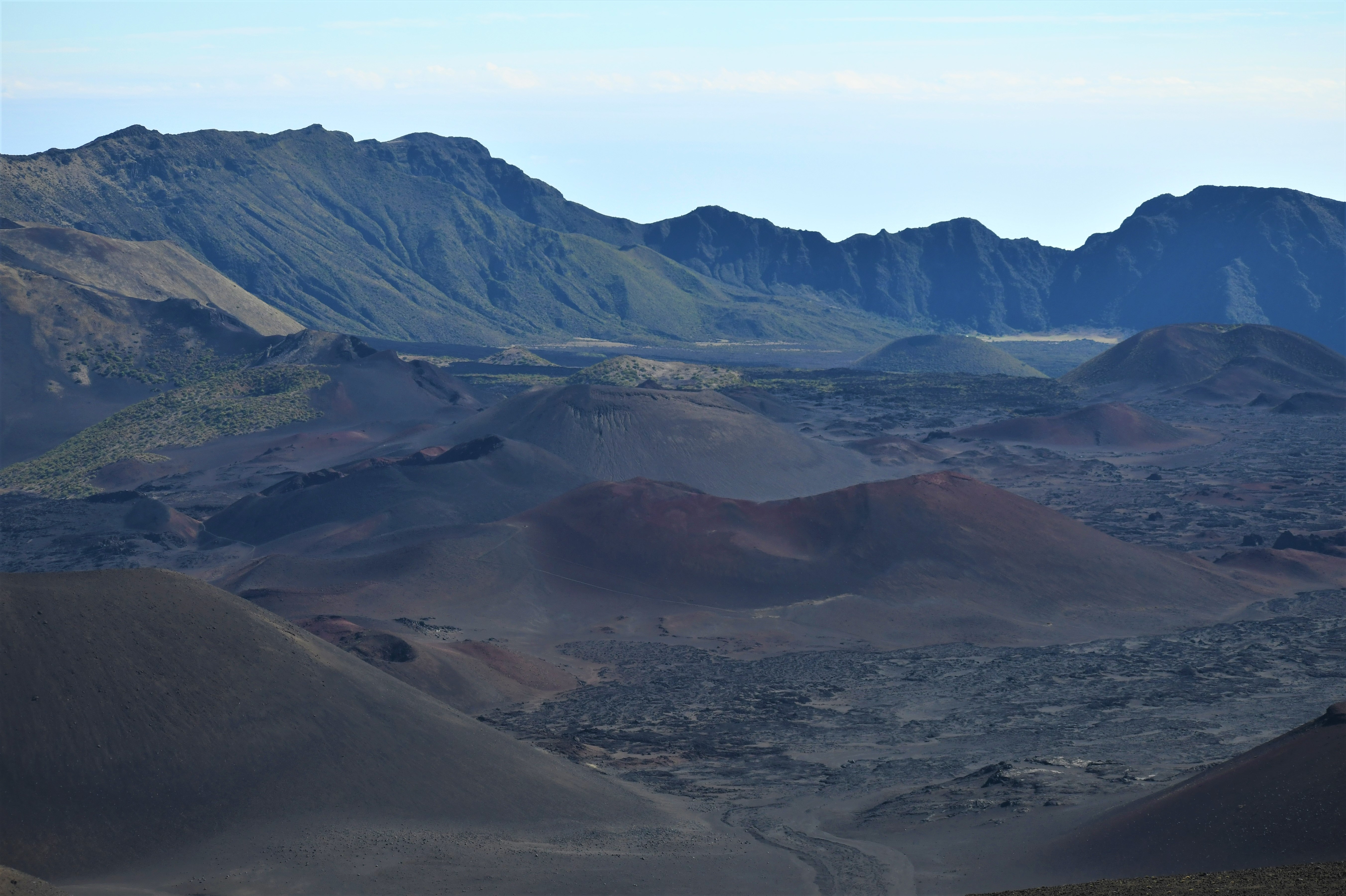
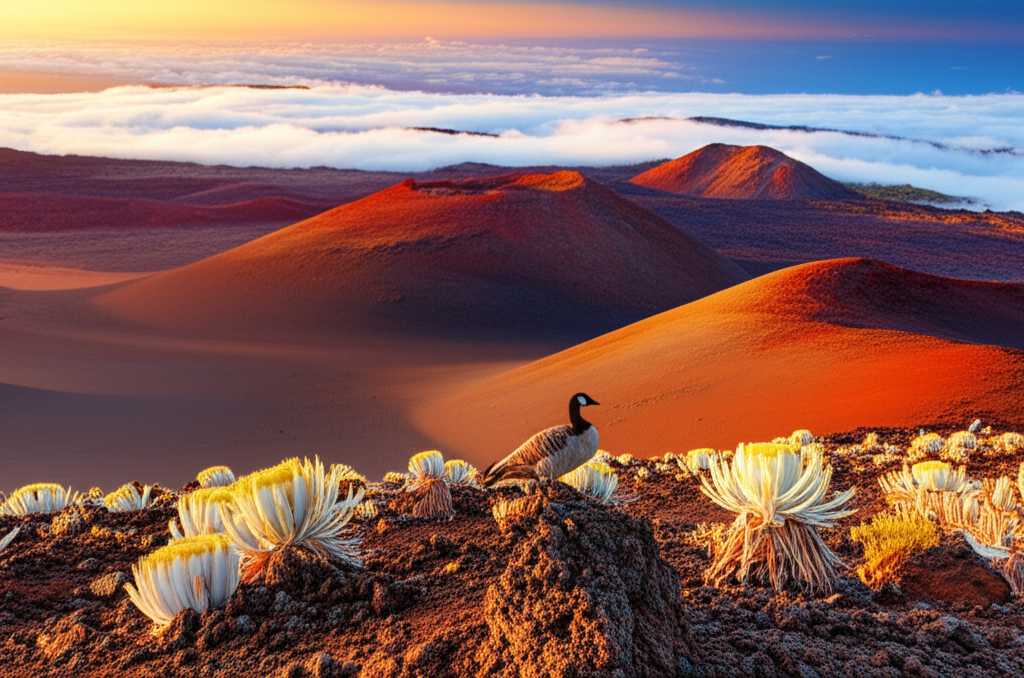
Haleakala National Park on the island of Maui protects the massive shield volcano that forms the island's eastern half, from its 10,023-foot summit crater to the lush coastal pools of Kipahulu. The summit crater — technically an erosional depression — is seven miles long, two miles wide, and 2,600 feet deep, with a floor dotted by cinder cones in shades of red, orange, and purple that look like the surface of Mars. Mark Twain called it "the sublimest spectacle" he had ever witnessed. Sunrise from the Haleakala summit is the park's signature experience. Visitors drive up in the pre-dawn darkness, bundled in winter layers at the 10,000-foot altitude, and watch as the first light transforms the crater from silhouette to a palette of colors that shift by the minute. The Sliding Sands Trail drops from the summit into the crater floor, crossing otherworldly terrain past cinder cones and the rare Haleakala silversword — a spiny, silver-leafed plant found only on this volcano that can live over 90 years and blooms once before dying. The Kipahulu District on the volcano's southeast coast, reached by the winding Hana Highway rather than the summit road, protects a different world: a lush tropical landscape where freshwater pools connected by waterfalls cascade through bamboo forest to the sea. The Pipiwai Trail, a 4-mile round trip through a towering bamboo forest to 400-foot Waimoku Falls, is one of the best day hikes in Hawaii.

Things to Do

  • Watch sunrise from the summit crater (reservation required)
  • Hike the Sliding Sands Trail into the crater
  • Walk the Pipiwai Trail through bamboo forest to Waimoku Falls
  • See the rare Haleakala silversword plants
  • Bike down the volcano from near the summit
  • Swim in the Pools of Oheo at Kipahulu
  • Stargaze from the summit after dark
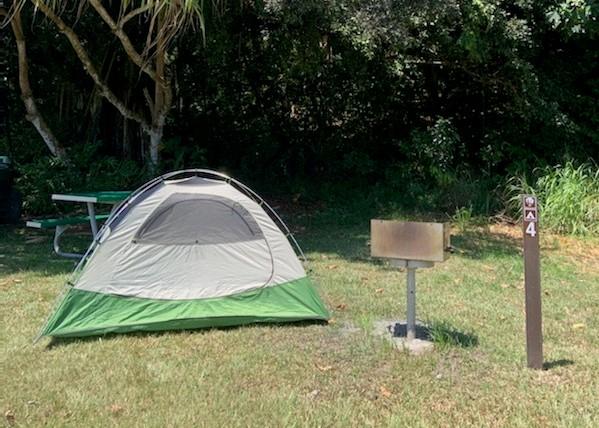
A gray tent is pitched next to a grill and picnic table. Tall shrubs and grass line the area.

Hosmer Grove Campground

Sites available

Water
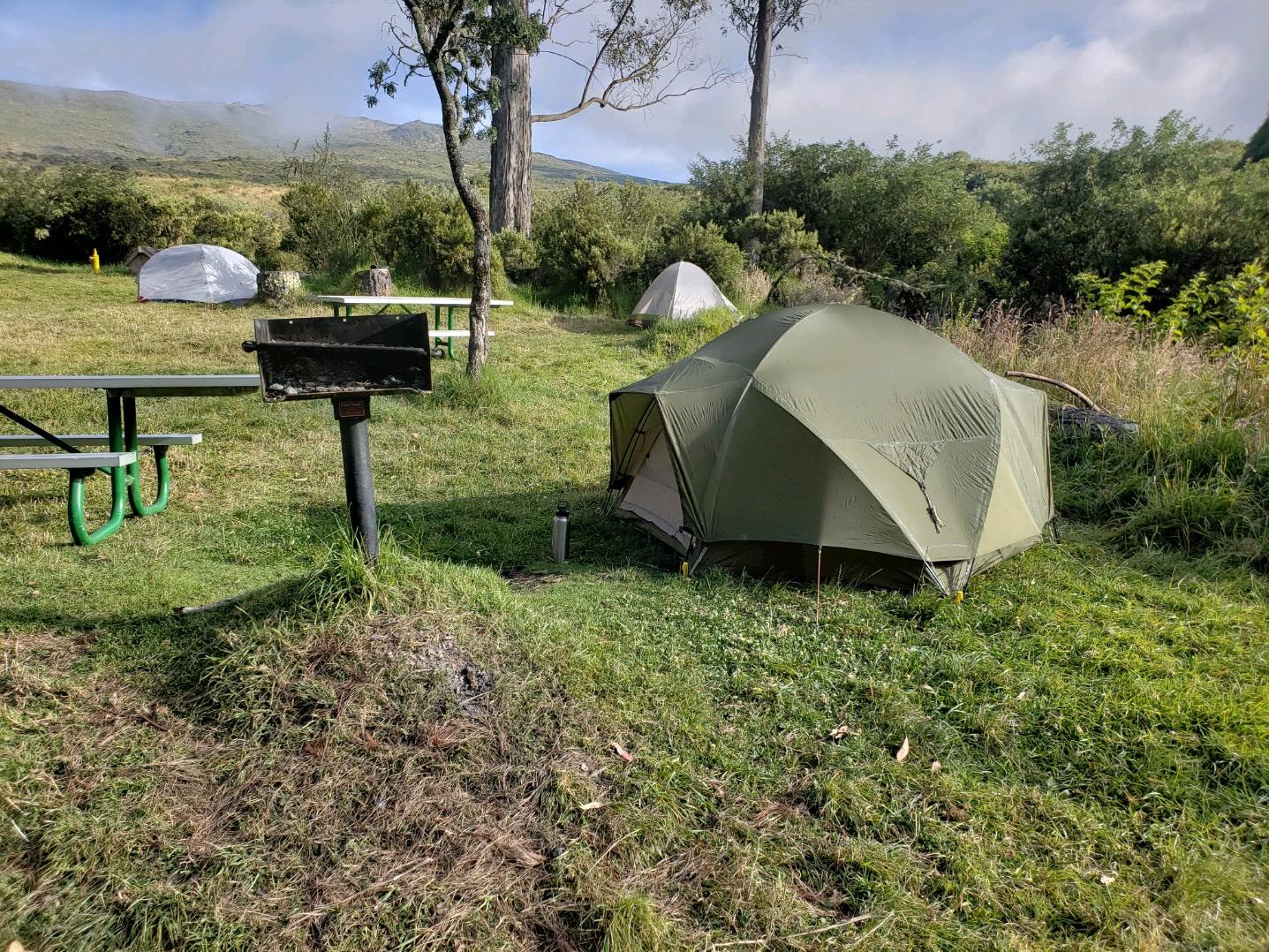
A green tent is pitched next to a raised grill on a grassy area. Trees cast some shade from behind.

Kīpahulu Campground

Sites available

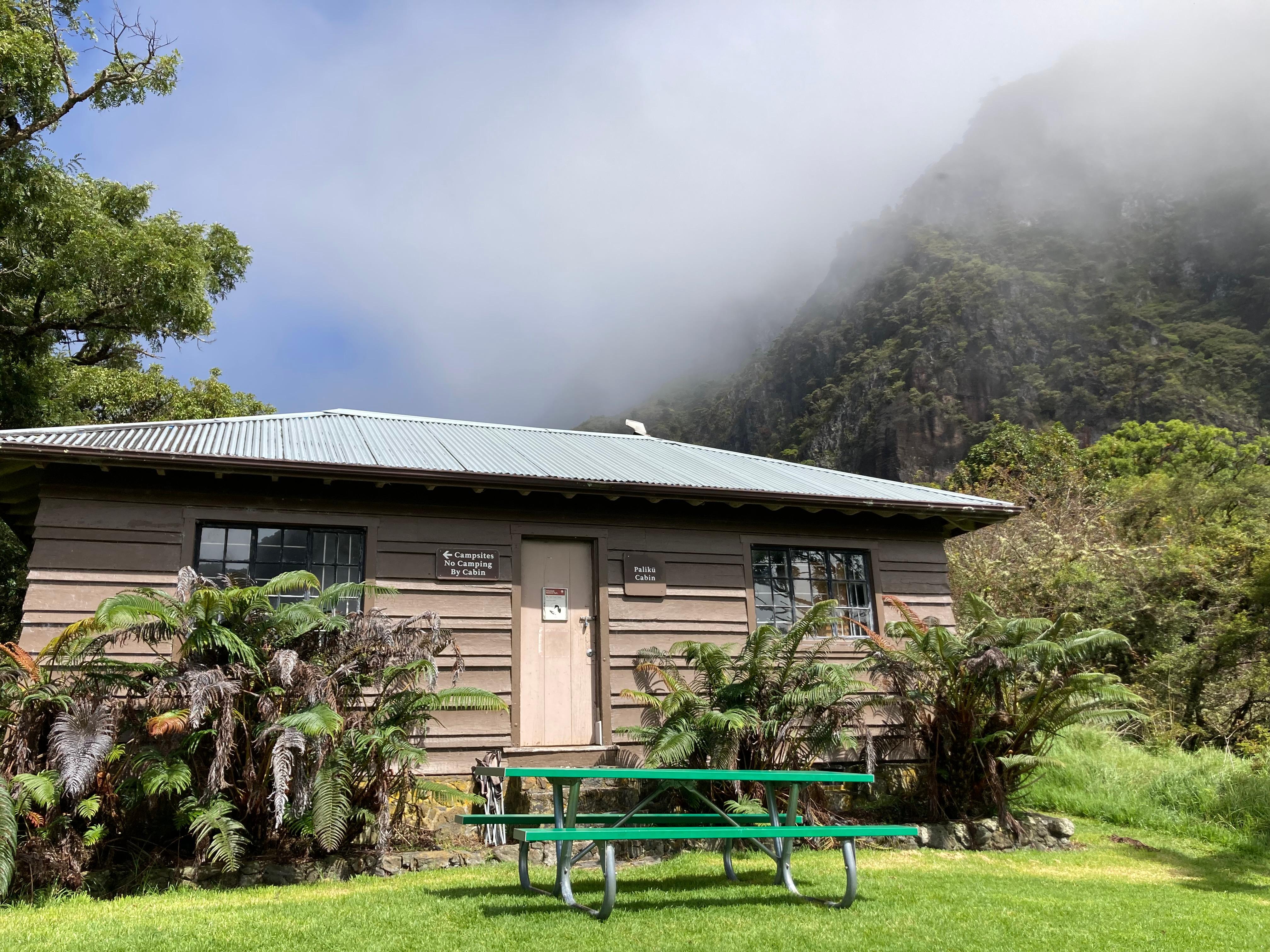
a rustic building with tall cliff and greenery surrounding picnic table in foreground

Wilderness Cabins

Sites available

Water
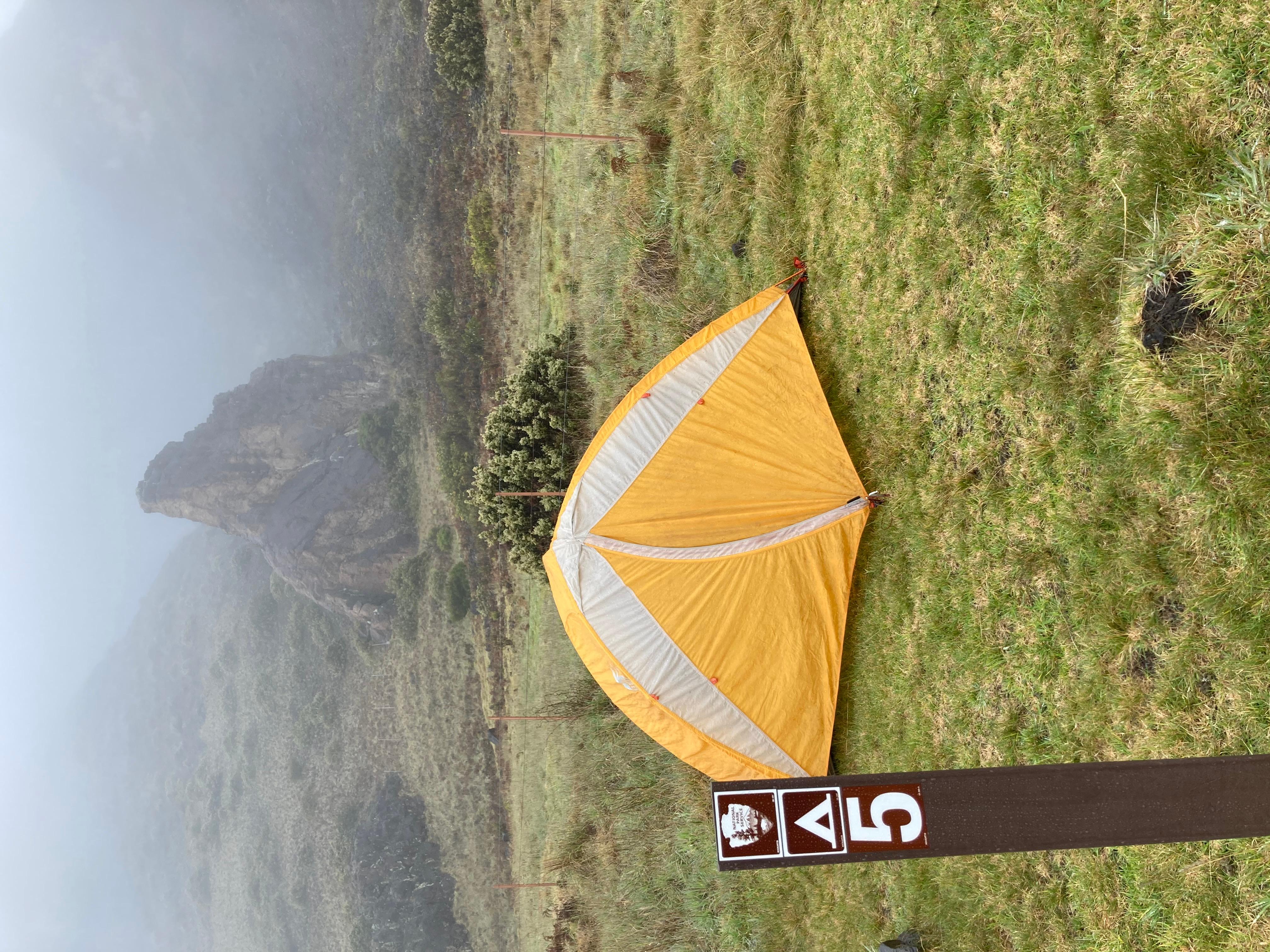
orange tent set up in grassy area with mist and clouds in background

Wilderness Tent Sites

Sites available

Water

Wildlife

Keep an eye out for these animals during your visit:

Nene (Hawaiian Goose) Haleakala Silversword Hawaiian Petrel Hawaiian Hoary Bat Humpback Whale (offshore, winter)

Pro Tips

  • 💡 Sunrise reservations are REQUIRED and book up 60 days in advance on recreation.gov — set a calendar reminder
  • 💡 The summit is 10,000 feet and 30-40°F colder than the beach — bring winter layers, gloves, and a blanket
  • 💡 Kipahulu (Oheo Pools) is reached from Hana, not from the summit road — plan separate trips for each section
  • 💡 The Sliding Sands Trail is deceptively easy going down; the climb back up at 10,000 feet altitude is exhausting
  • 💡 Sunset is less crowded than sunrise and equally dramatic — no reservation required for sunset visits

Weather & Best Time to Visit

Summit is cold and windy (30-65°F) with thin air at 10,000 feet. Kipahulu is tropical and wet. Trade winds bring clouds to the summit most afternoons. Rain is possible any time at Kipahulu.

Best seasons: Spring, Summer, Fall