Caution:Speed Limits are Much Lower Inside Park than Surrounding Highways
Information:Sand Board and Sand Sled Rentals Not Available In Park.
Details
Information:Medano Pass Winter Season Closures in Effect
Details
+1 more alerts
Great Sand Dunes National Park

Great Sand Dunes

Moderate Colorado

Overview

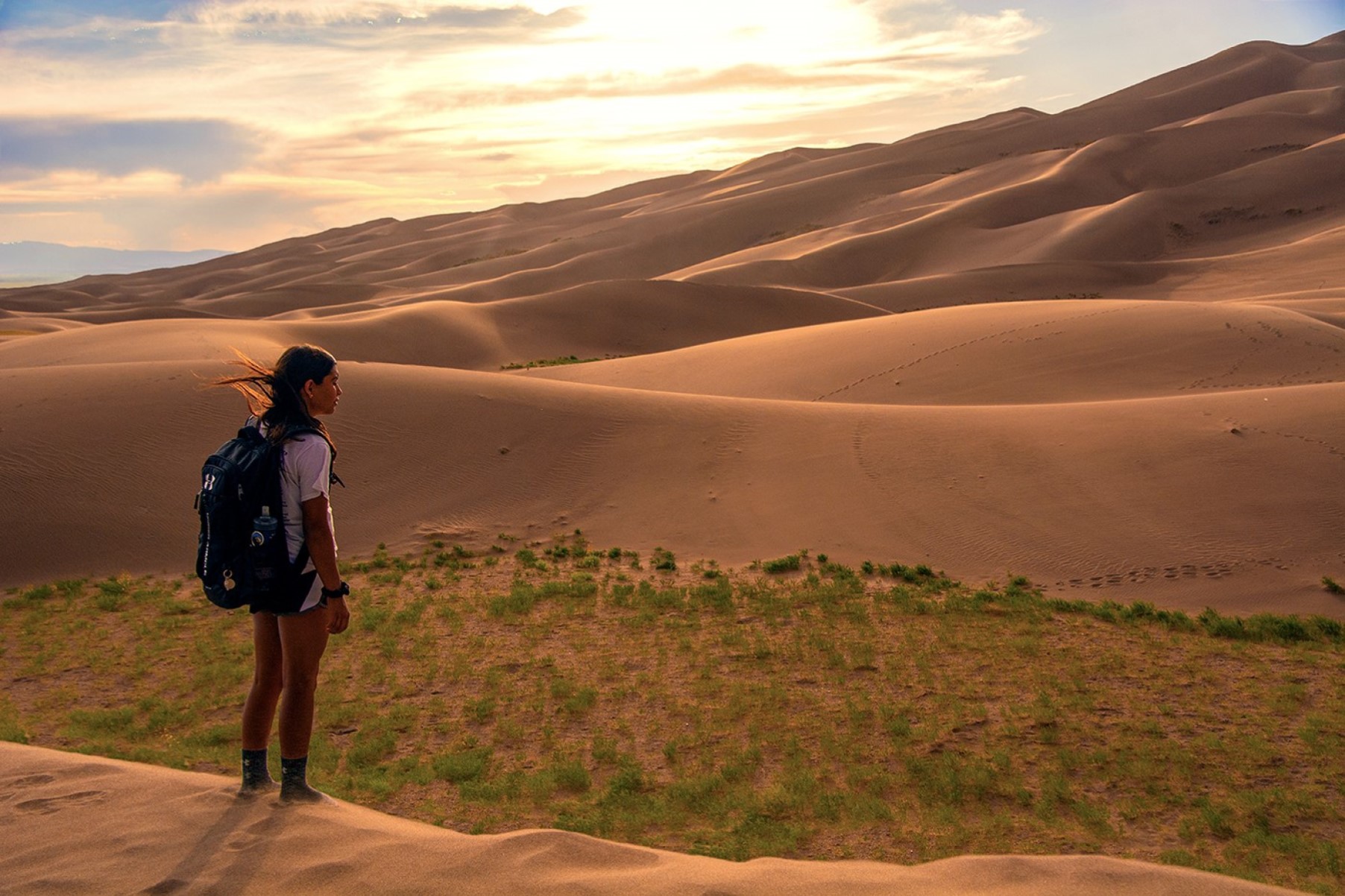
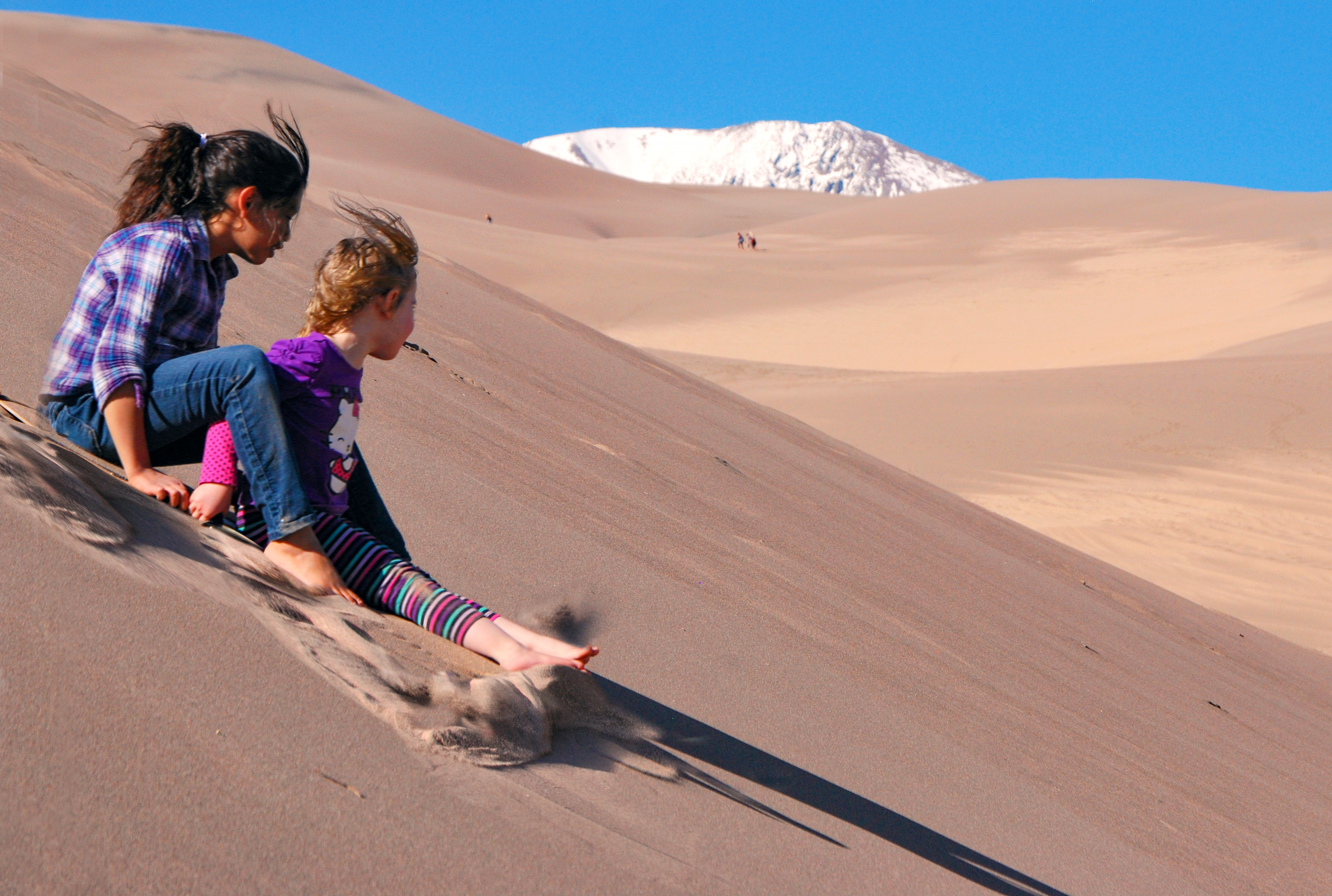
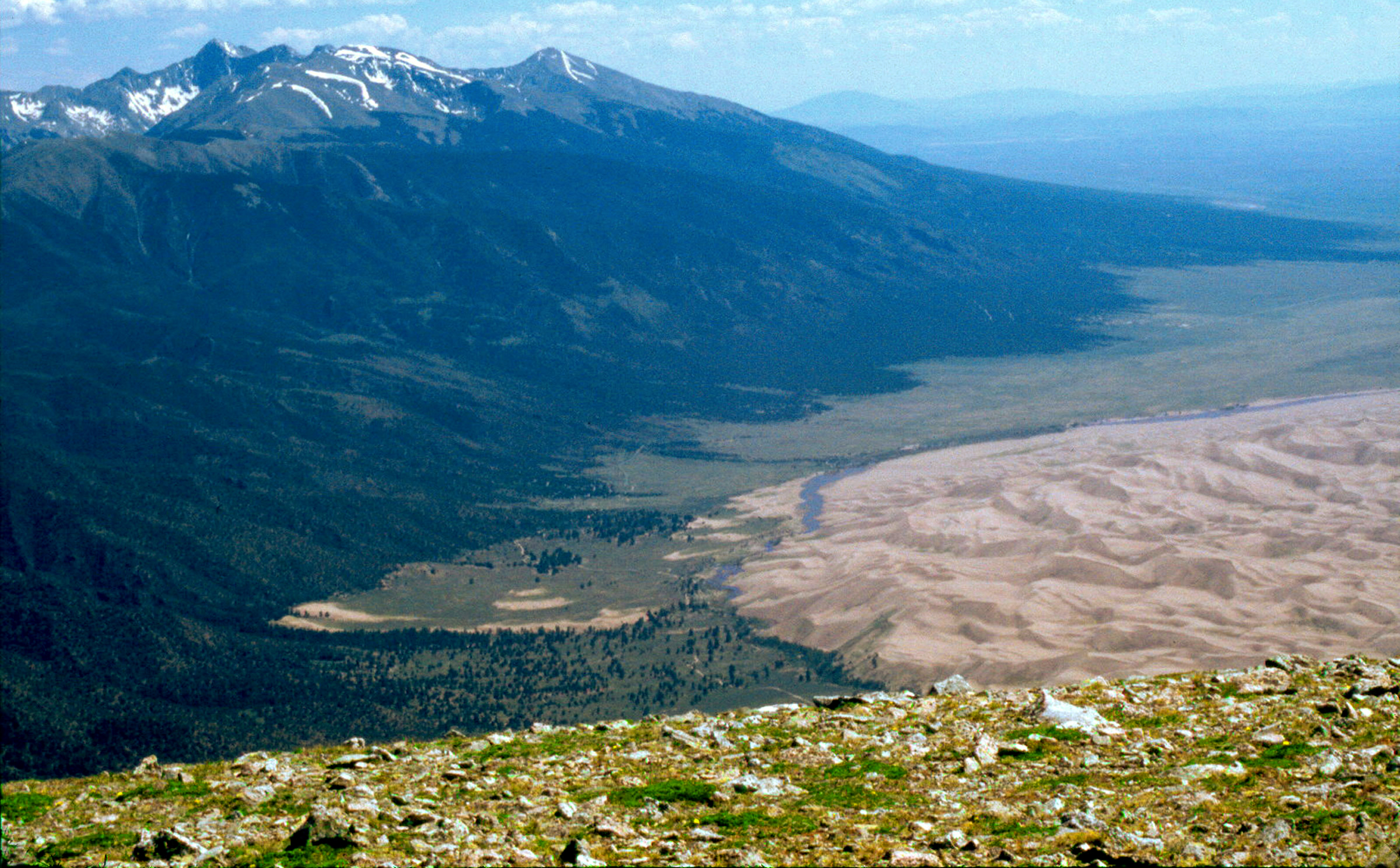
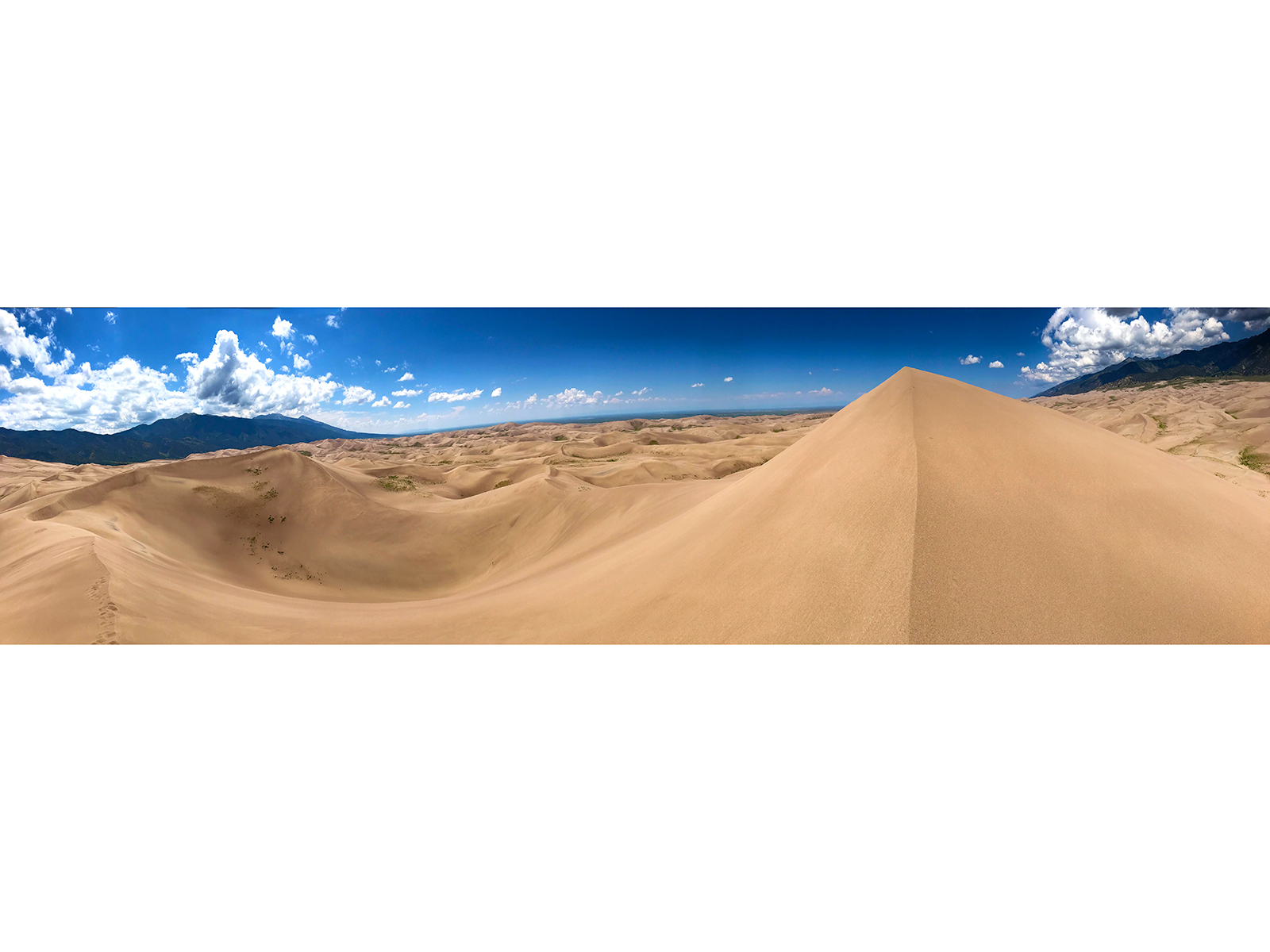
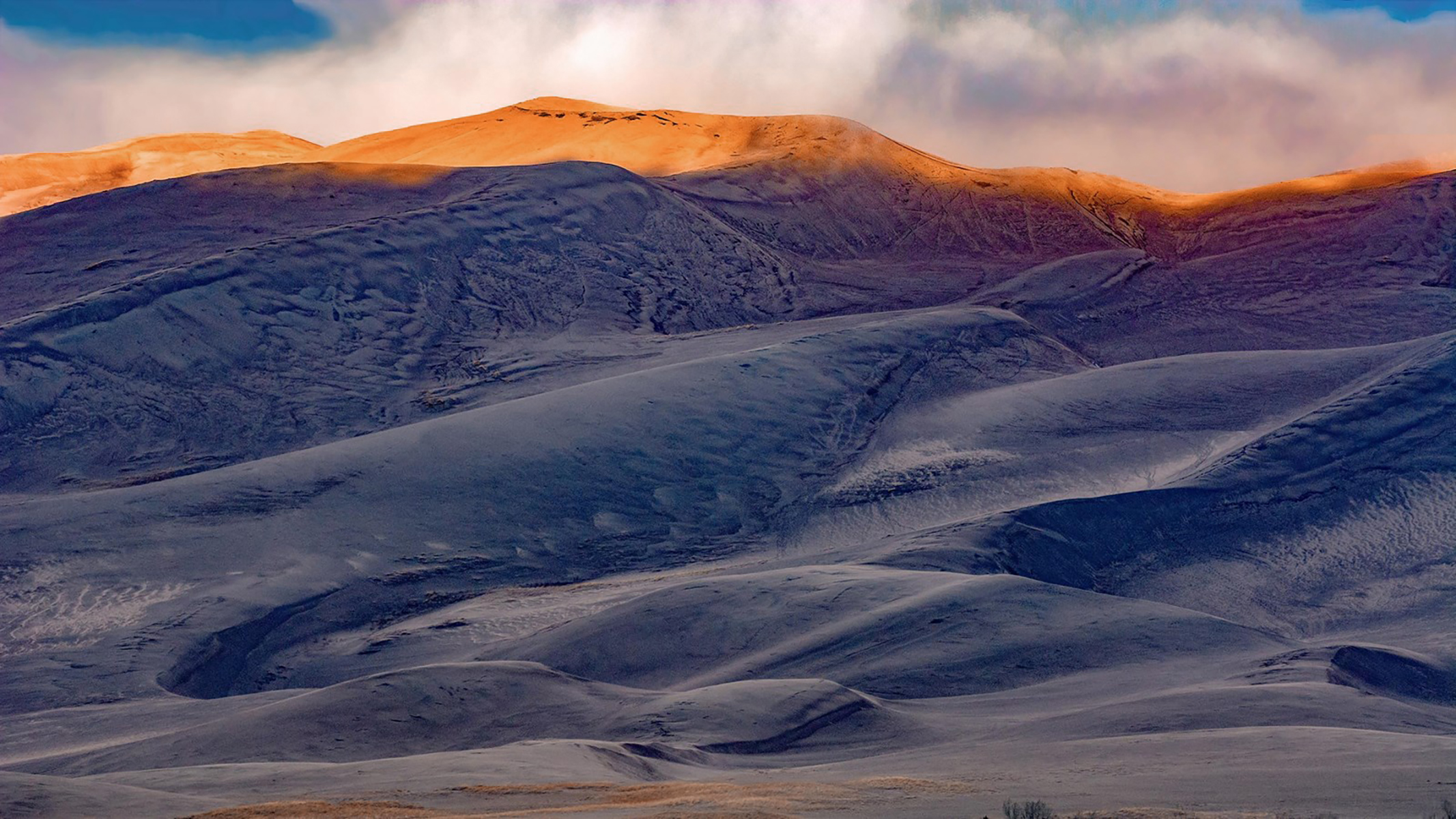
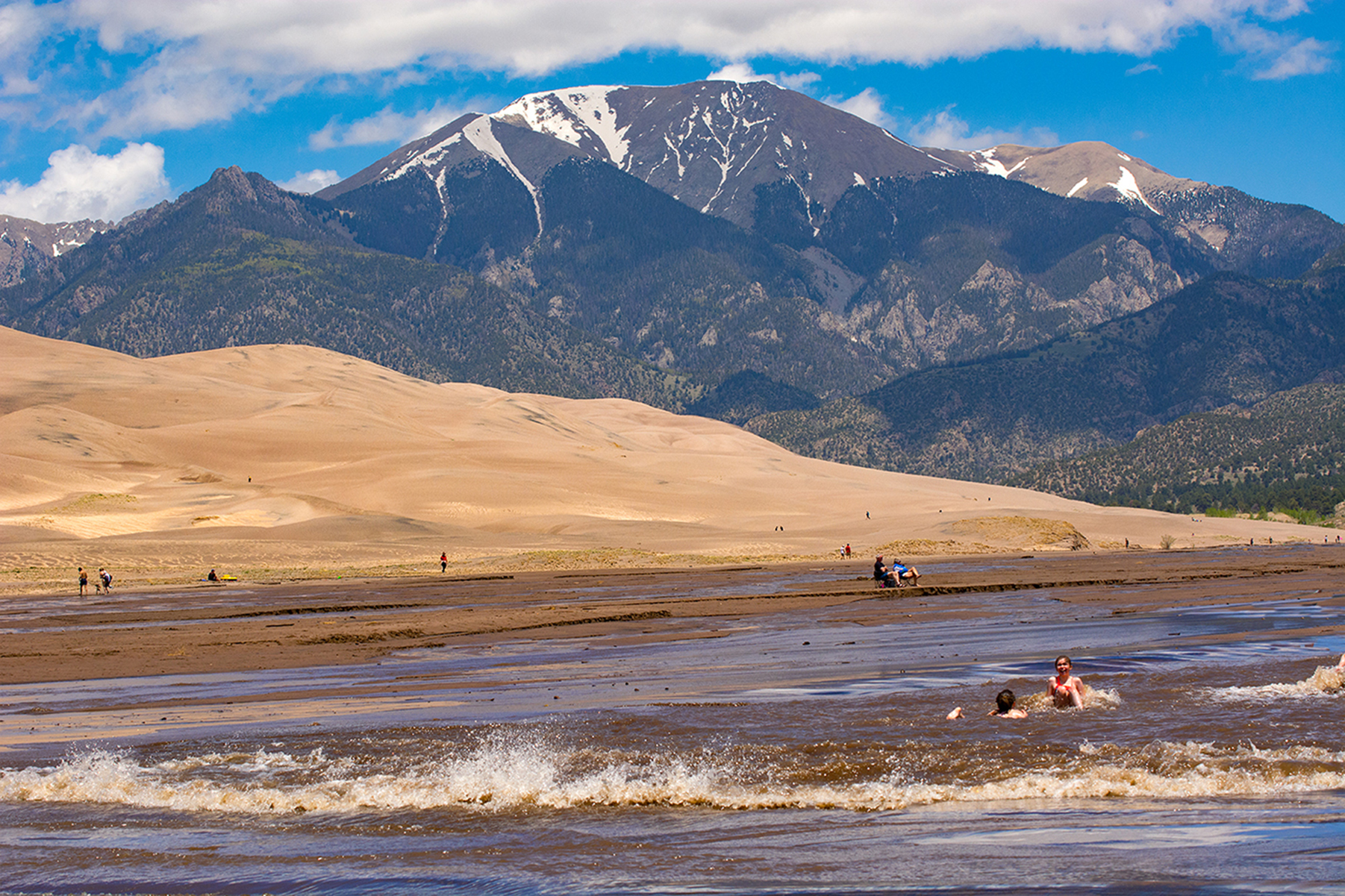
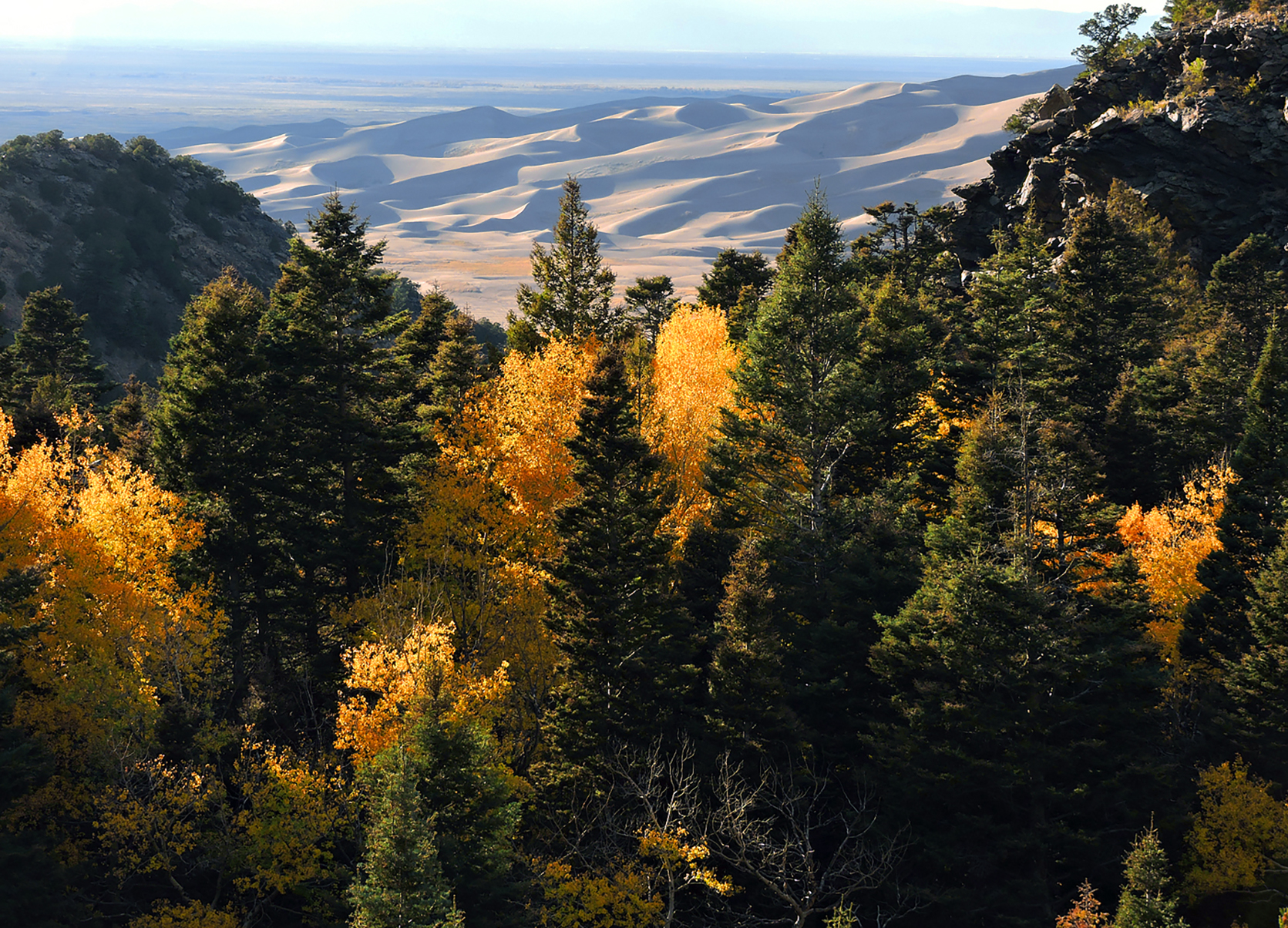
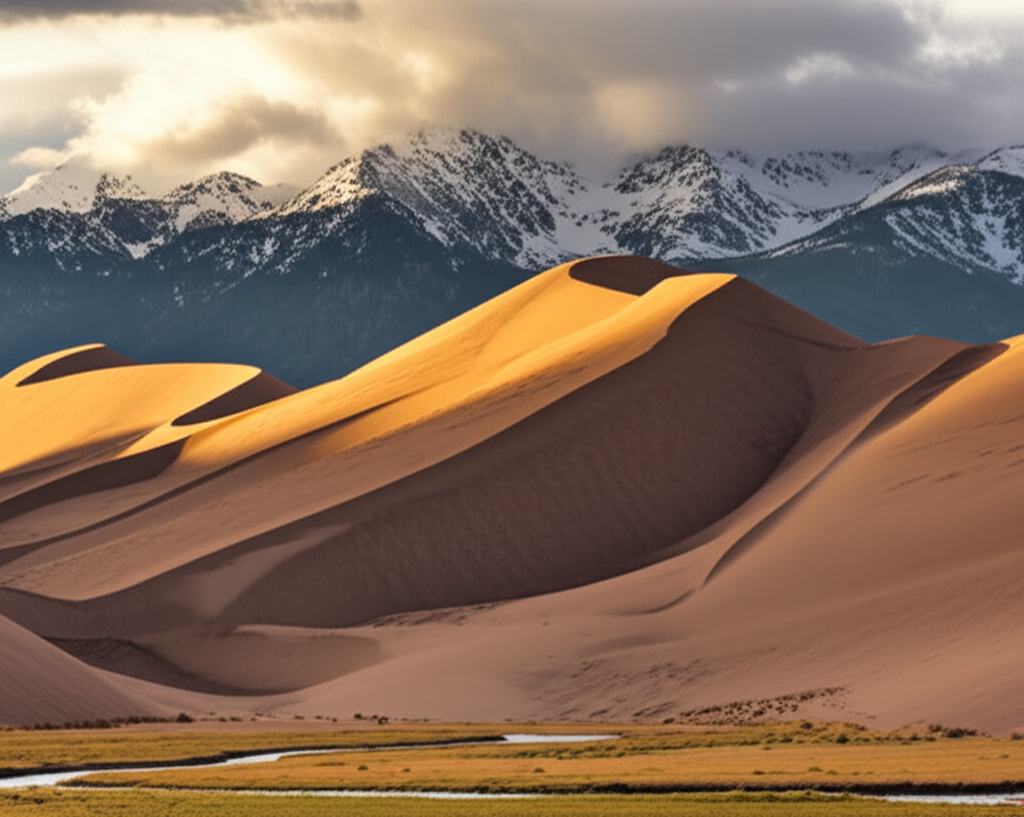
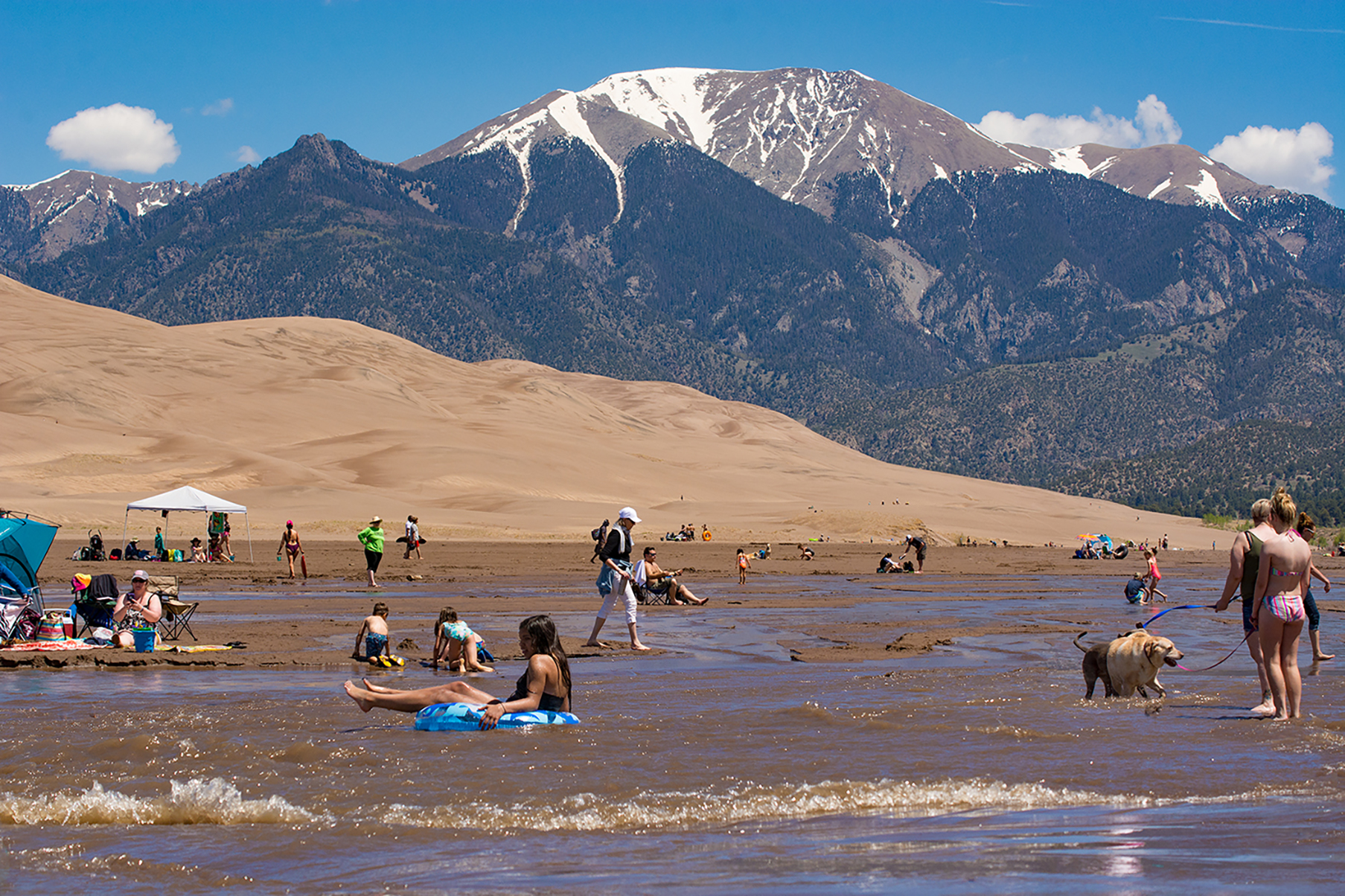
Great Sand Dunes National Park contains the tallest sand dunes in North America, with Star Dune rising 750 feet above the San Luis Valley floor in south-central Colorado. The dunes formed over hundreds of thousands of years as prevailing winds carried sand from the Rio Grande floodplain and ancient lake beds against the western face of the Sangre de Cristo Mountains, building an ever-growing sand sea that now covers 30 square miles. The result is a landscape that looks transplanted from the Sahara, backed by 14,000-foot snowcapped peaks. Medano Creek, a seasonal stream that flows at the base of the dune field from late May through June, creates a natural beach where families wade and splash against the surreal backdrop of towering dunes and mountain peaks. Climbing the dunes requires no trail or permit — visitors simply walk up the sand, though the climb to the top of High Dune (650 feet) takes one to two hours through soft, steep sand. Sandboarding and sand sledding are popular on the steeper slopes. Beyond the dunes, the park protects alpine lakes, tundra, and peaks above 13,000 feet in the Sangre de Cristos. The contrast between the sand sea and the alpine backcountry is unlike anything else in the national park system. Visit in late spring when Medano Creek is flowing and the mountains are still capped in snow for the full visual effect.

Things to Do

  • Climb to the top of High Dune or Star Dune
  • Splash in Medano Creek in late spring
  • Sandboard or sand sled the dune slopes
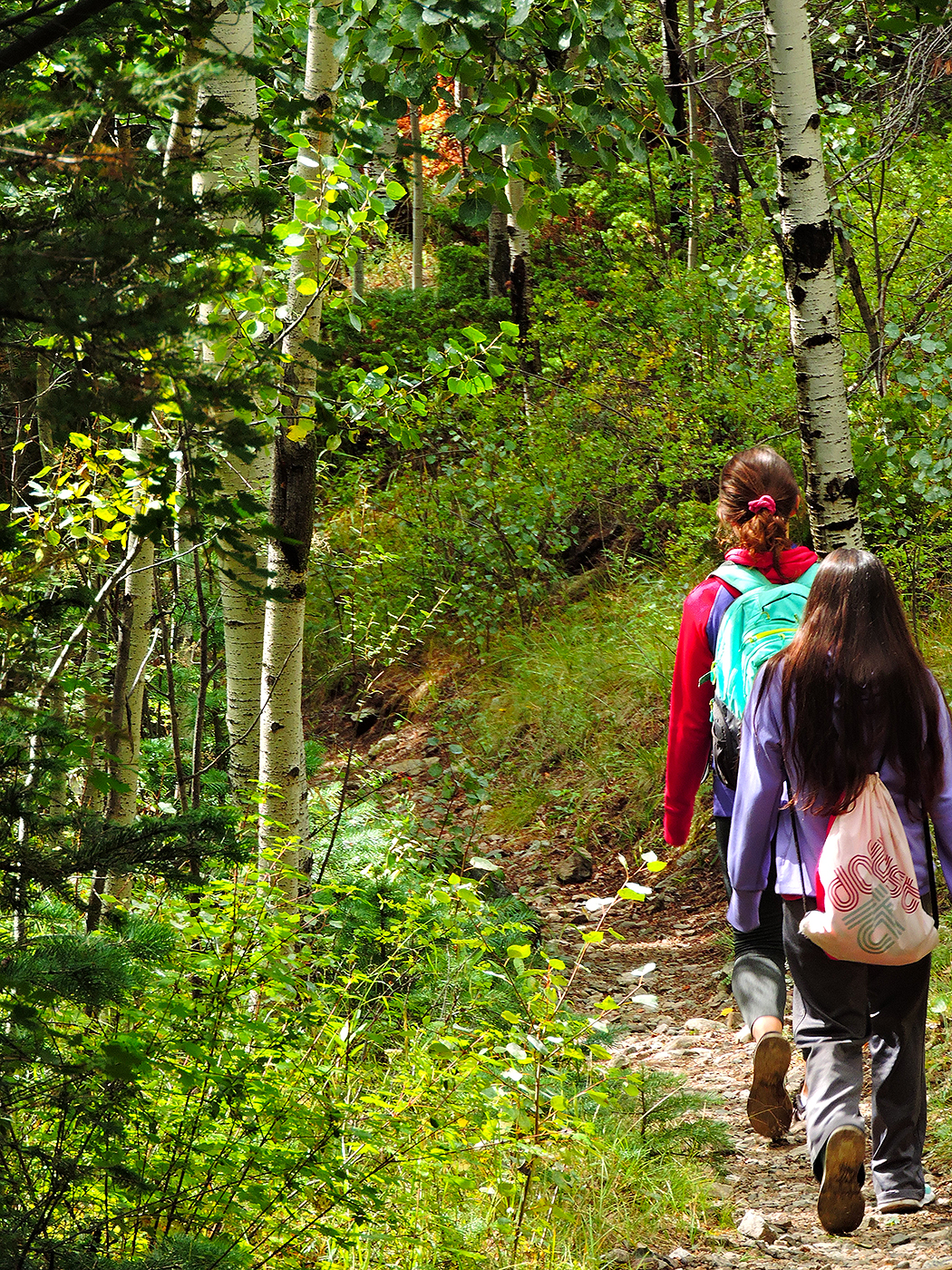
  • Hike to Medano Lake in the Sangre de Cristos
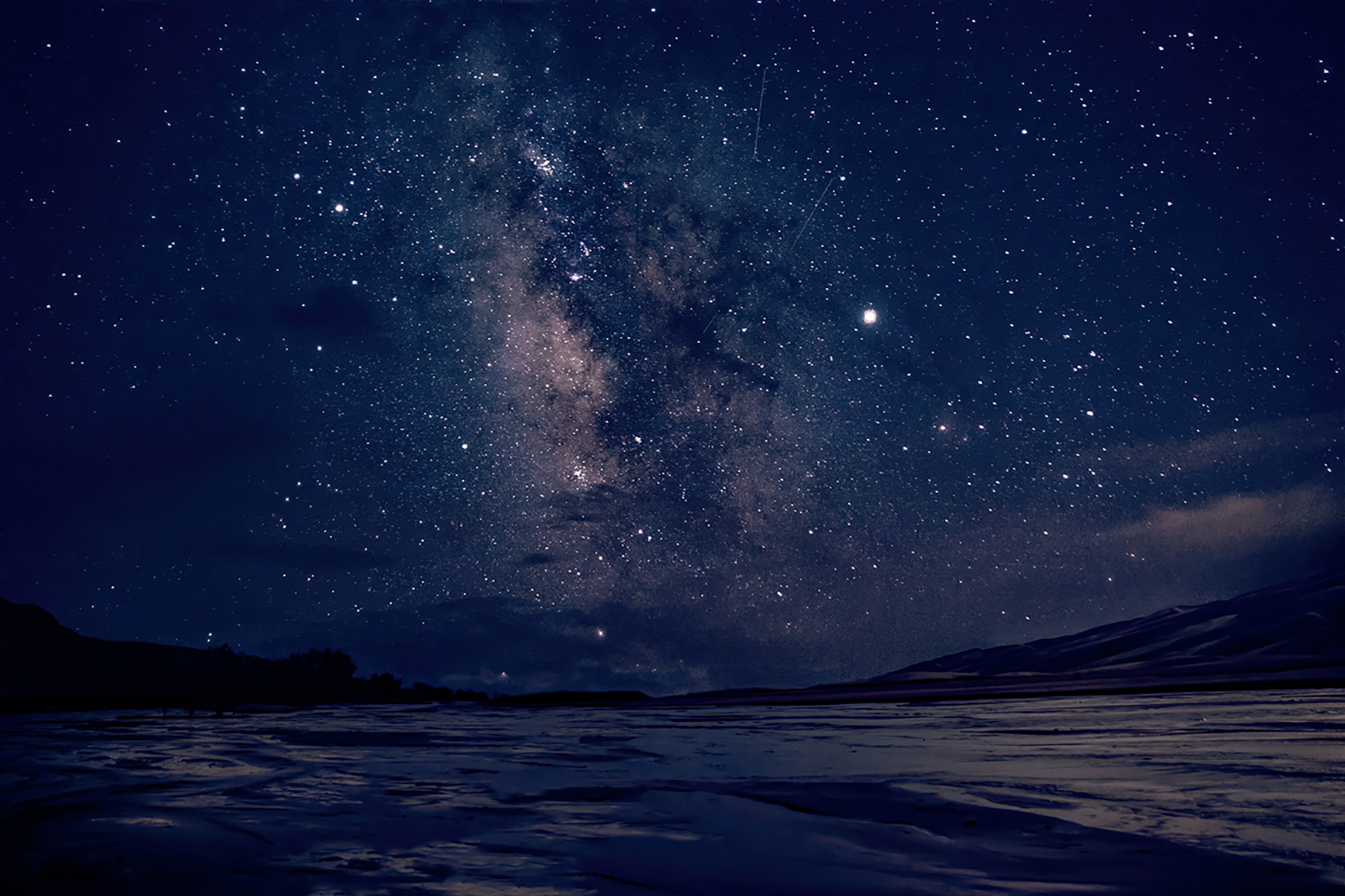
  • Stargaze under International Dark Sky Park skies
  • Photograph dunes against snow-capped peaks
  • Drive the Medano Pass Primitive Road by 4WD
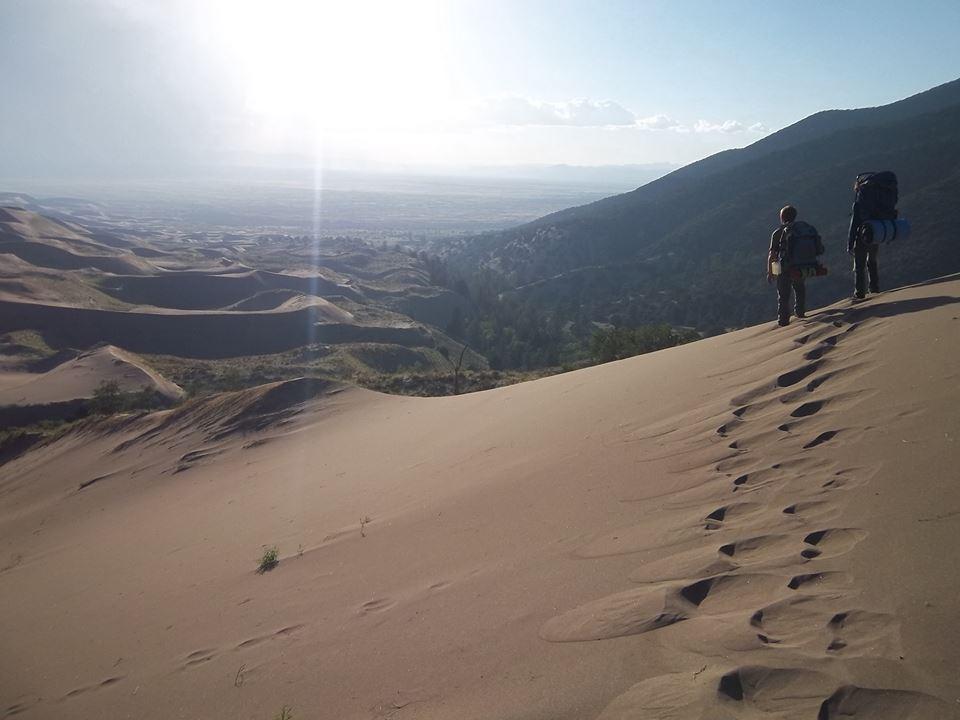
Backpackers walking on eastern side of dunefield

Backpacking Campsites in the Dunes or Forest

Sites available

Water
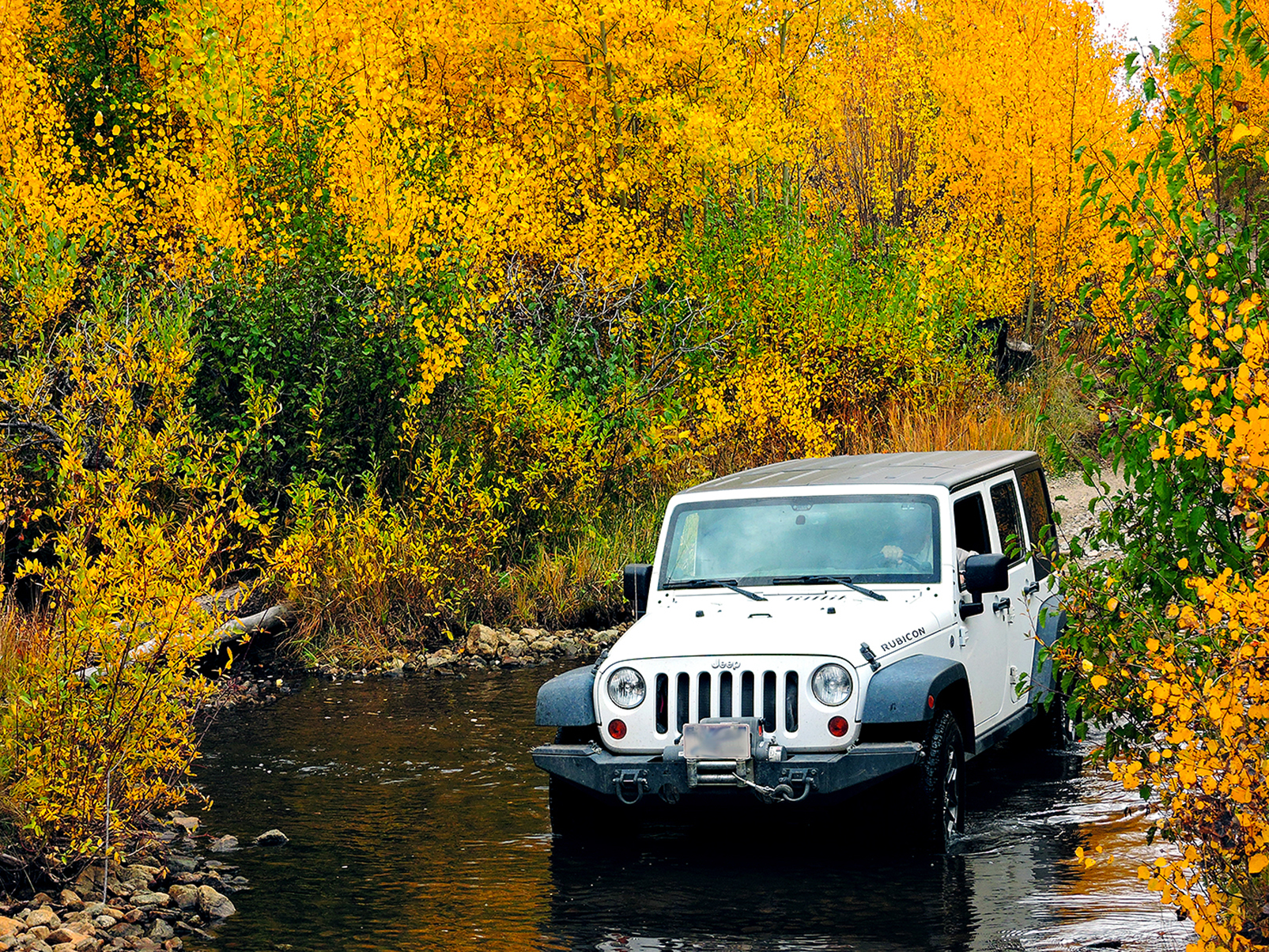
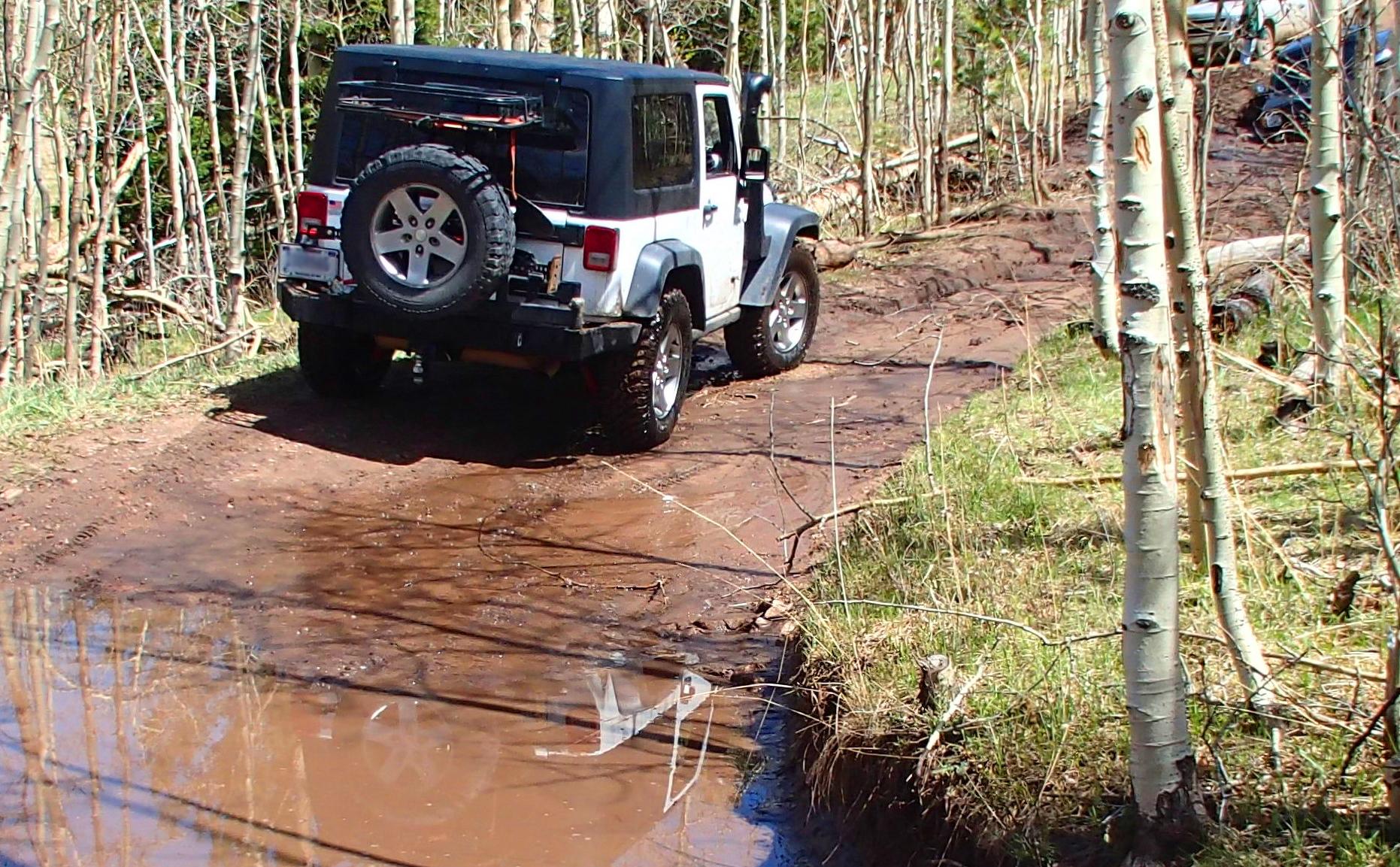
Jeep driving through a creek crossing and aspen trees

Medano Pass Primitive Road Campsites

Sites available

Water
Pinon Flats Campground

Piñon Flats Campground

Sites available

RestroomsWater

Wildlife

Keep an eye out for these animals during your visit:

Elk Mule Deer Pronghorn Great Sand Dunes Tiger Beetle Kangaroo Rat Golden Eagle

Pro Tips

  • 💡 Medano Creek flows strongest in late May and early June during snowmelt — this is the best family visit window
  • 💡 Start dune climbs early morning; the sand surface can exceed 150°F by midday in summer
  • 💡 Rent sandboards in the nearby town of Mosca or Alamosa — regular snowboards don't work well on sand
  • 💡 The sand is soft and steep; the summit looks closer than it is — allow at least 2 hours round-trip for High Dune
  • 💡 Fall brings bugling elk near the dune field at dawn and dusk — September is magical

Weather & Best Time to Visit

Sunny and dry with summer highs around 80°F at the dune base but intense sand surface heat. Afternoon thunderstorms are common. Winter brings snow that dusts the dunes dramatically.

Best seasons: Spring, Fall