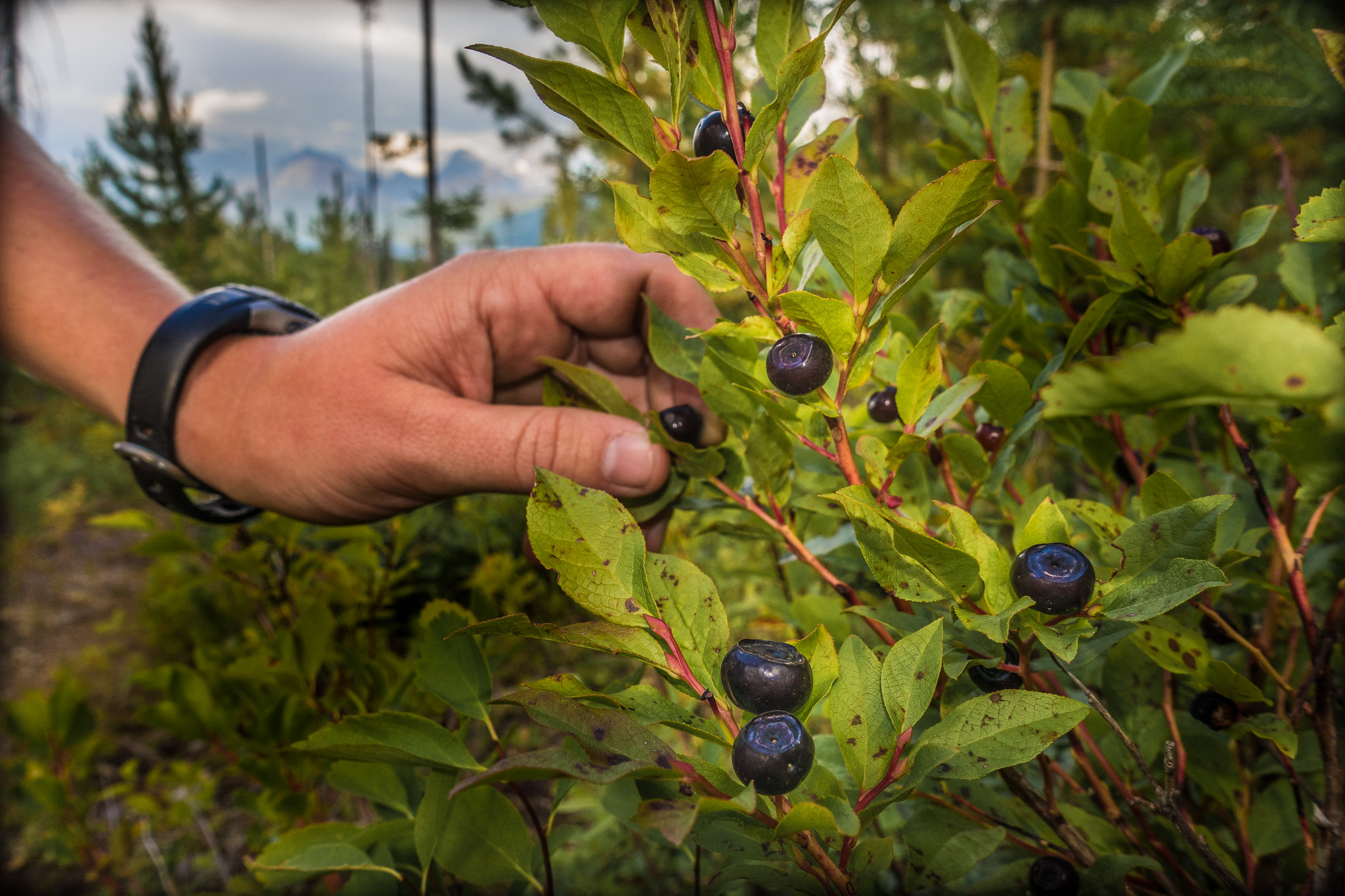
Aapaawapsspi (Huckleberry)
Point of Interest
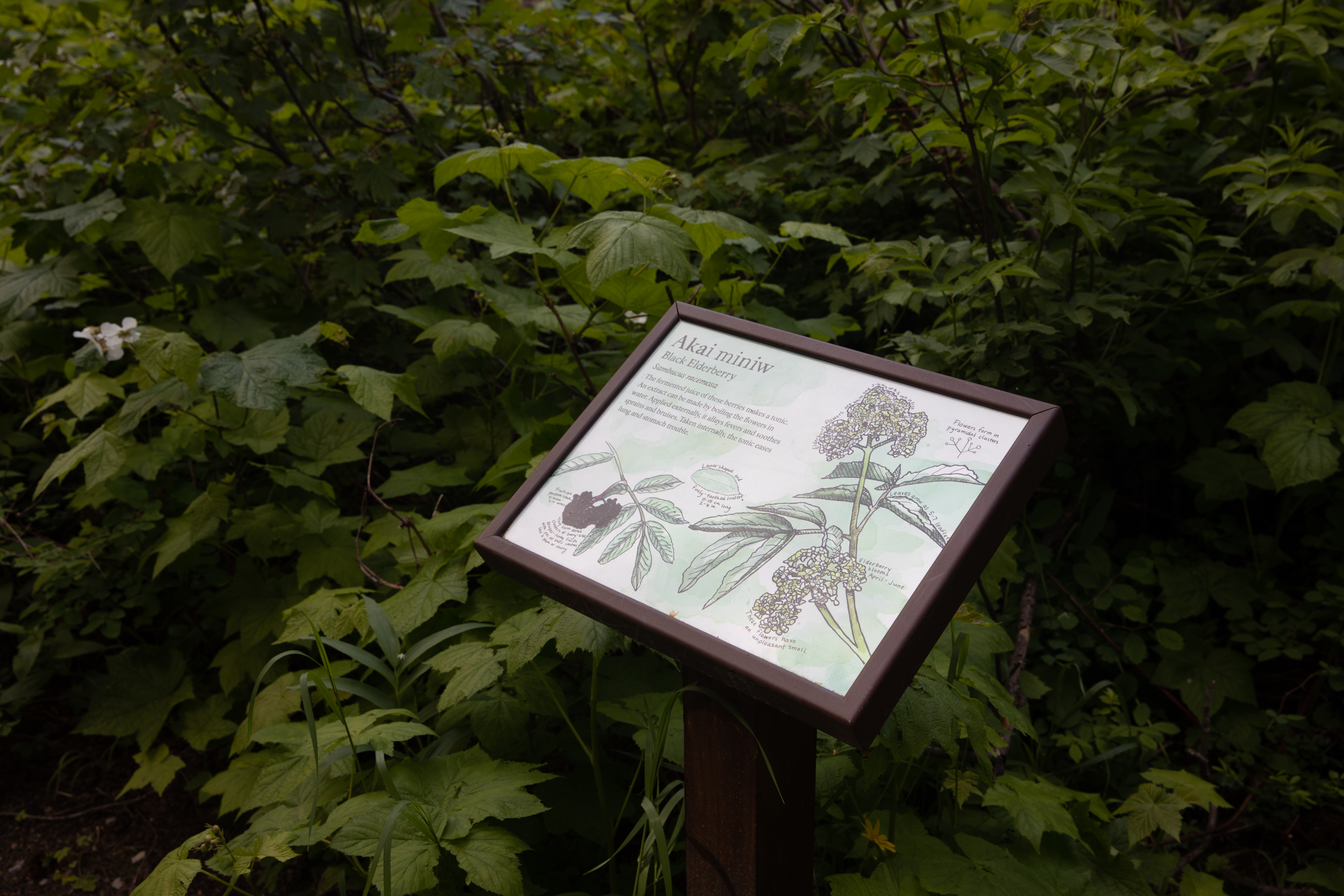
Akai miniw (Black Elderberry)
Point of Interest
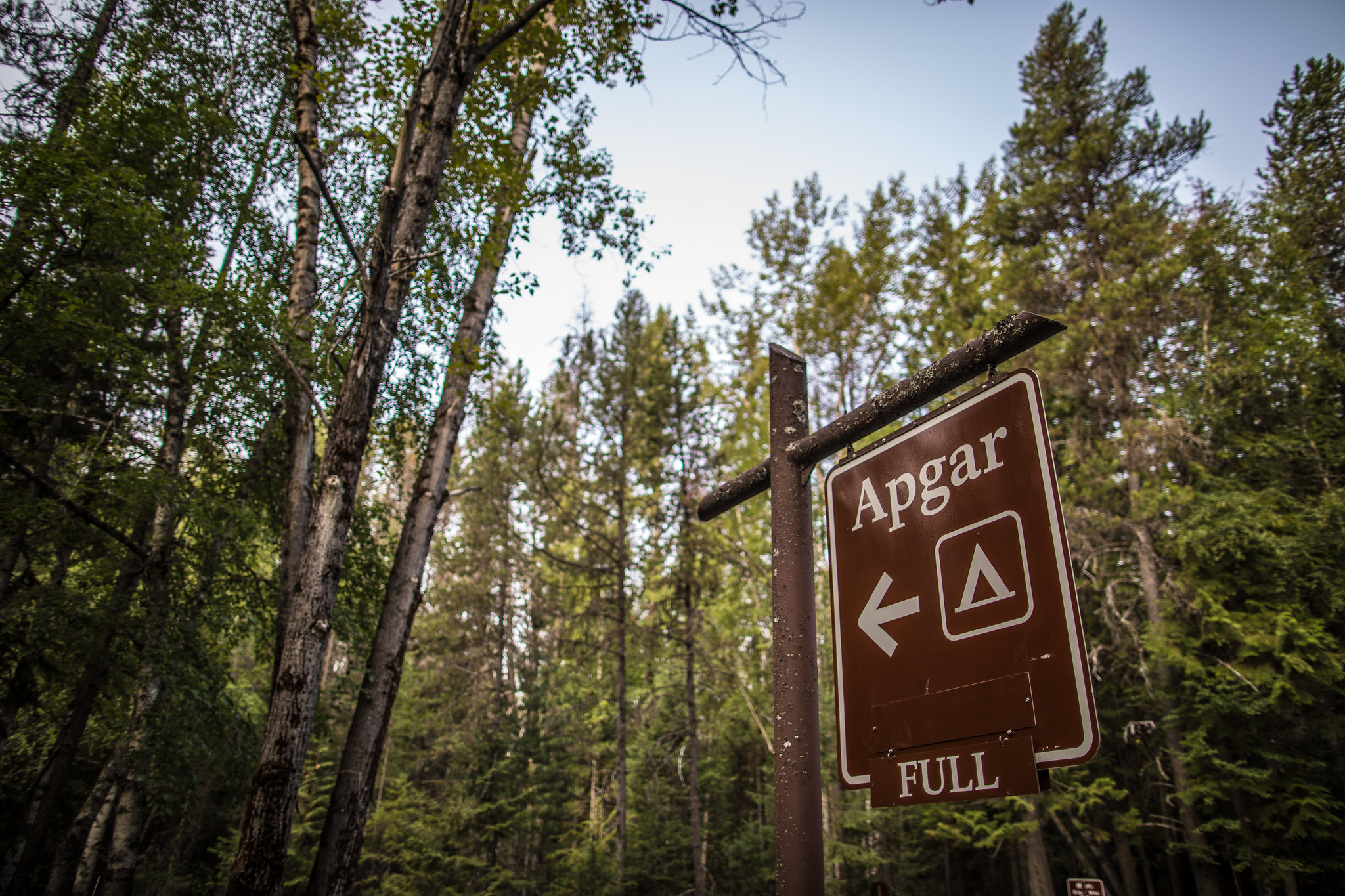
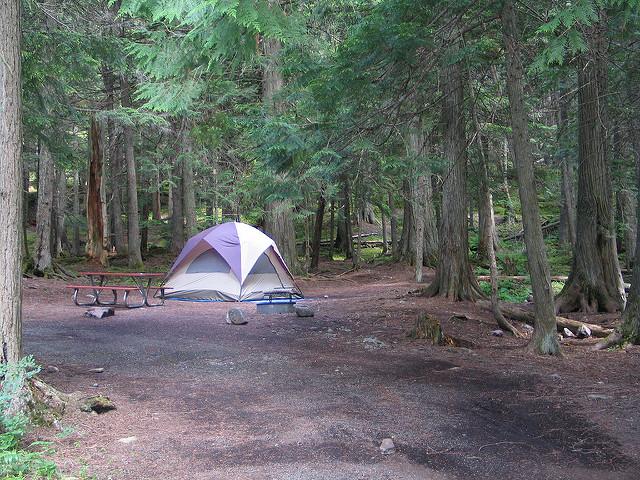
Apgar Campground
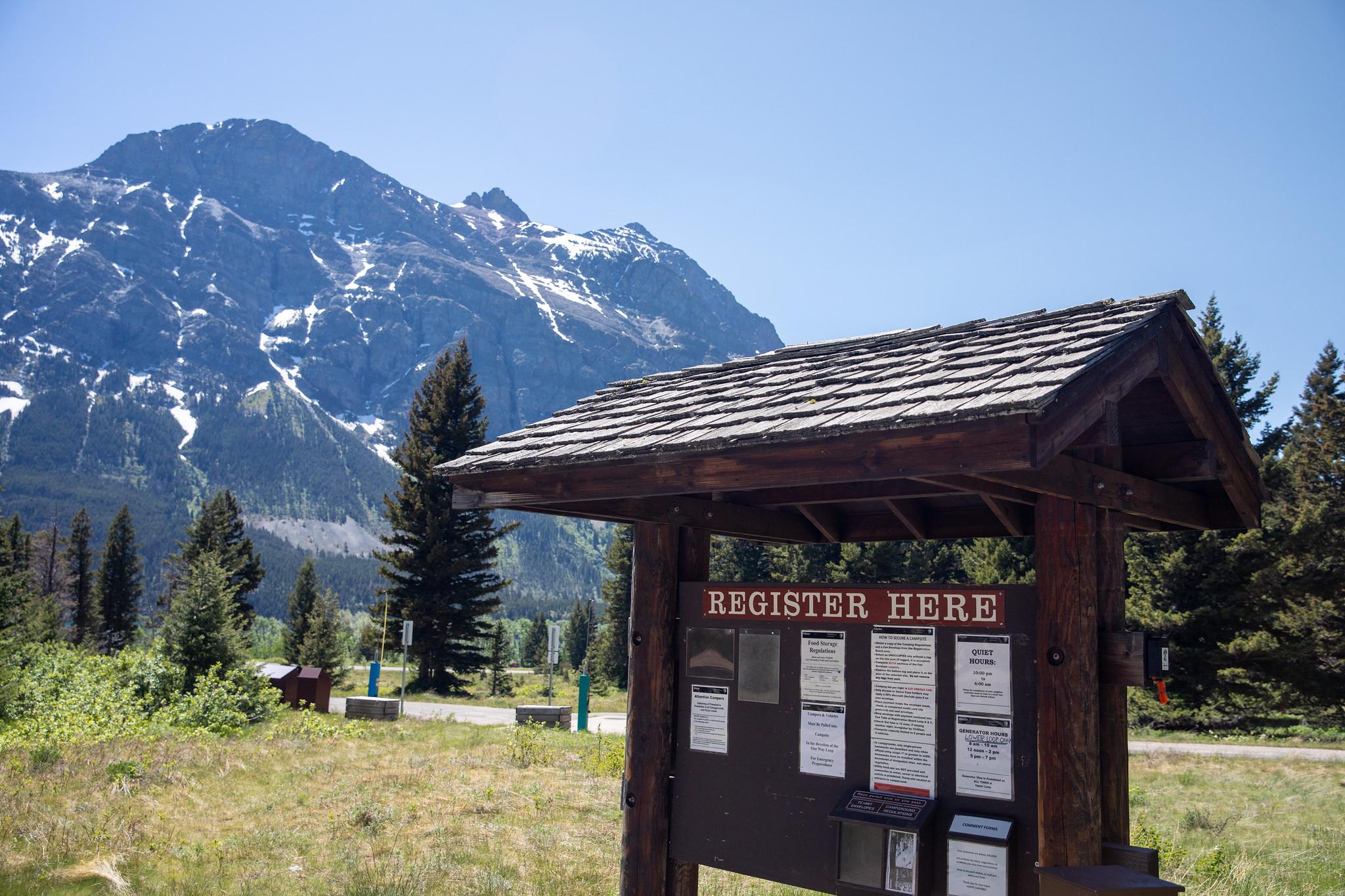
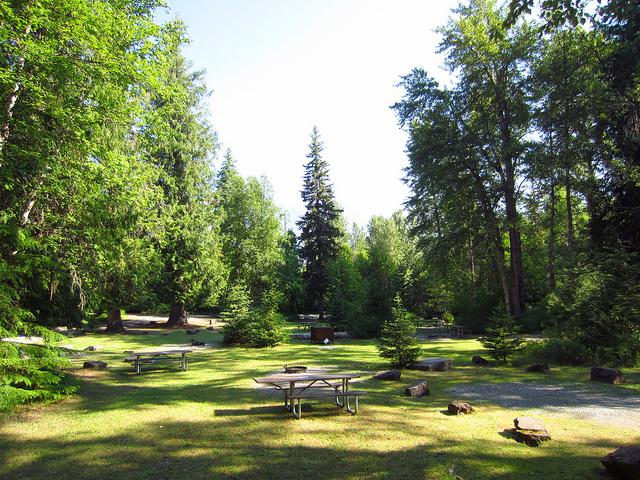
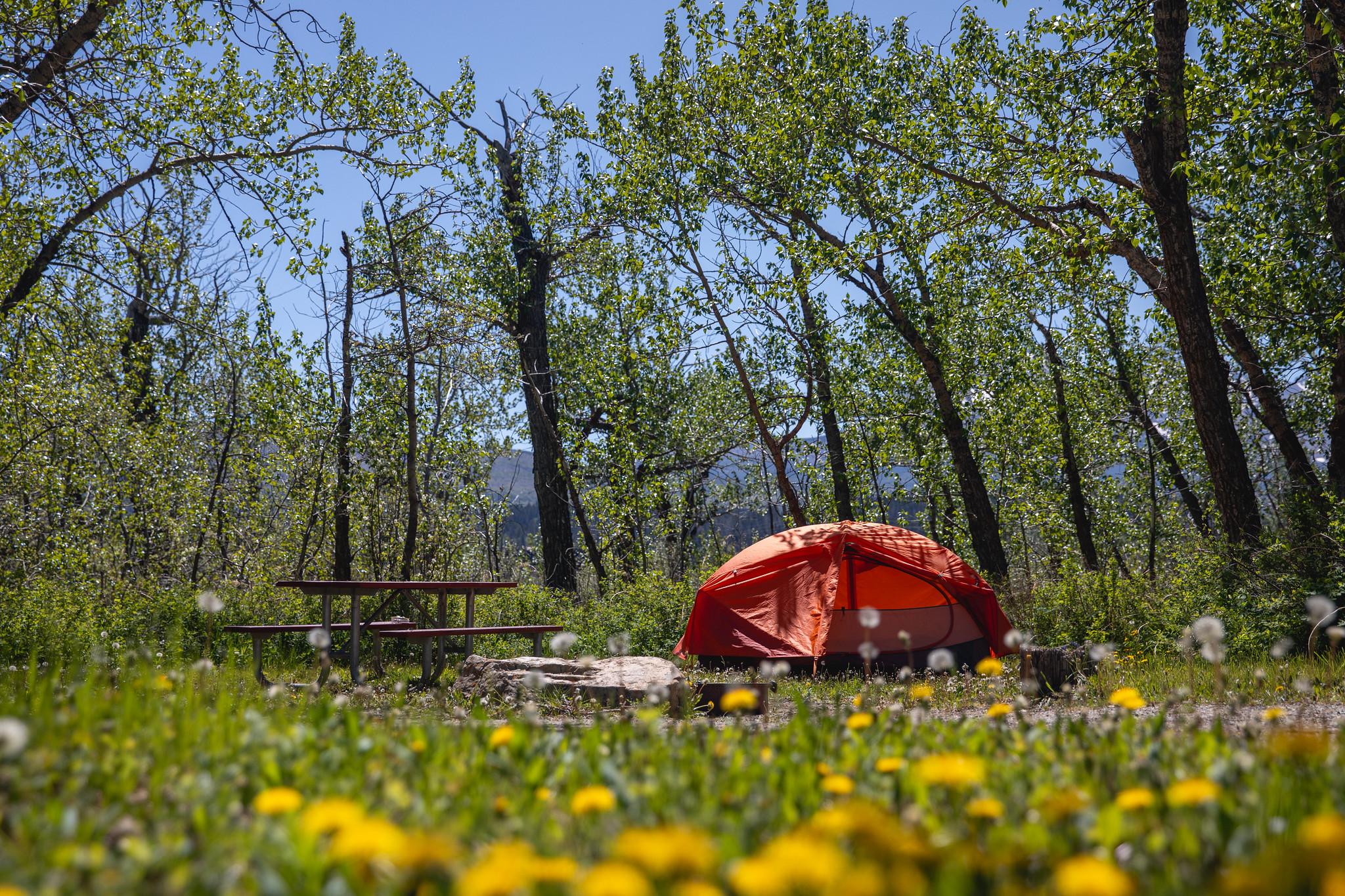
CampgroundThe Apgar Campground in Glacier Naitonal Park.

Apgar Lookout Trailhead
Trail
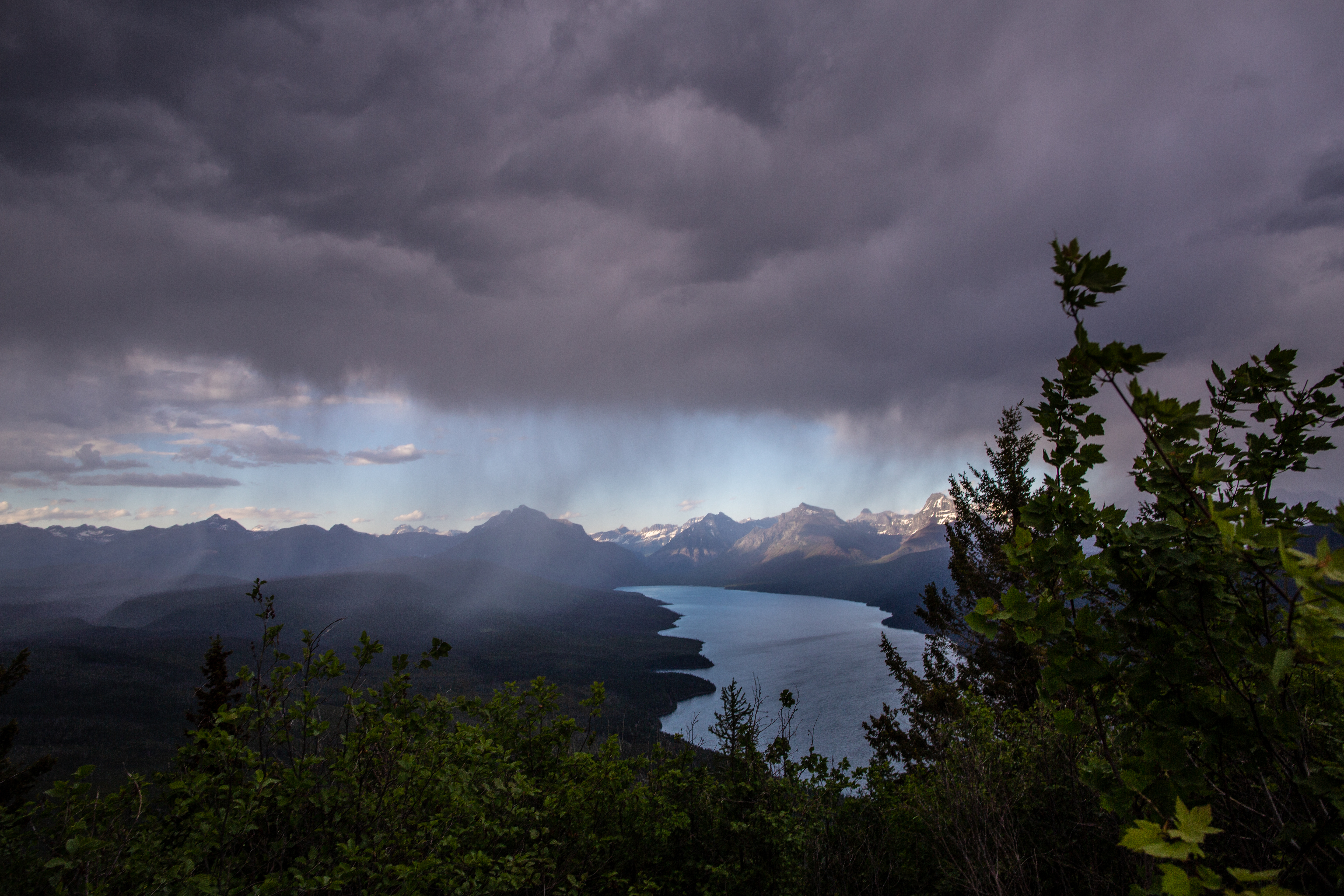
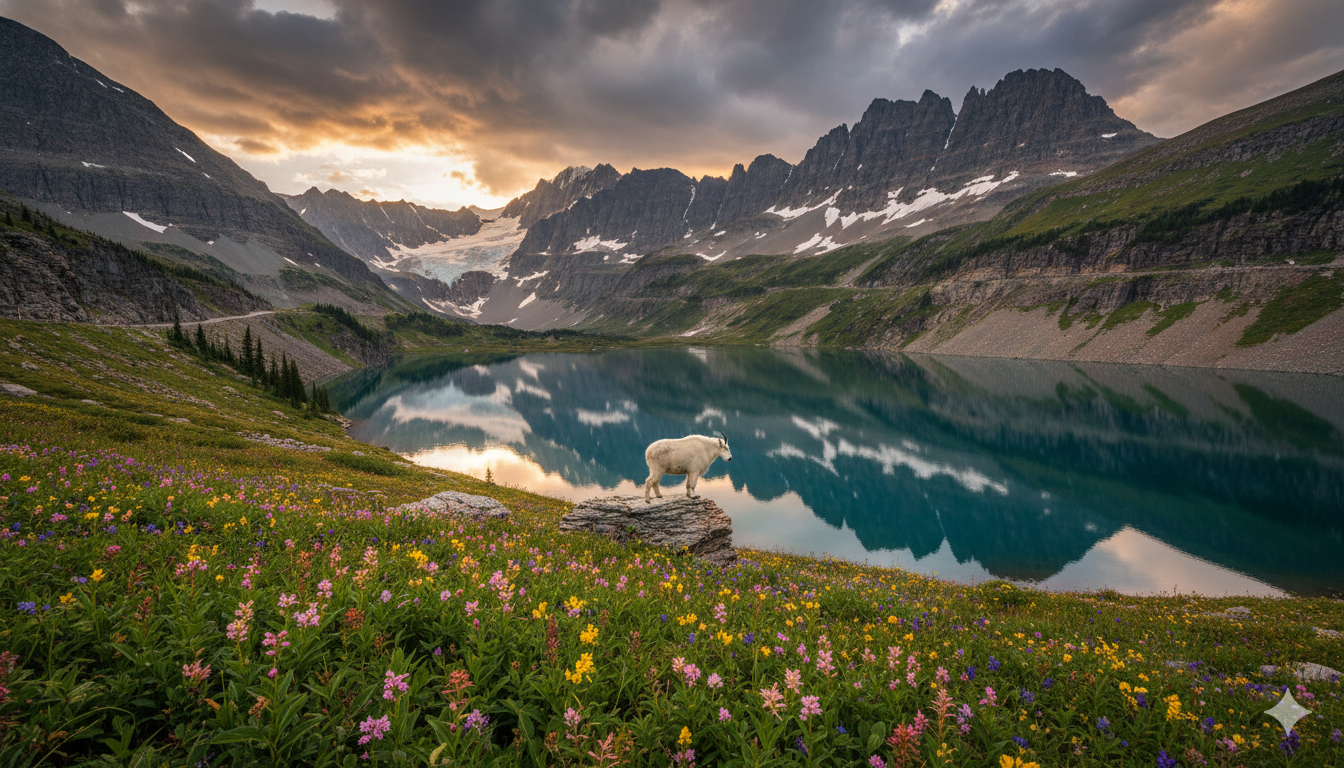
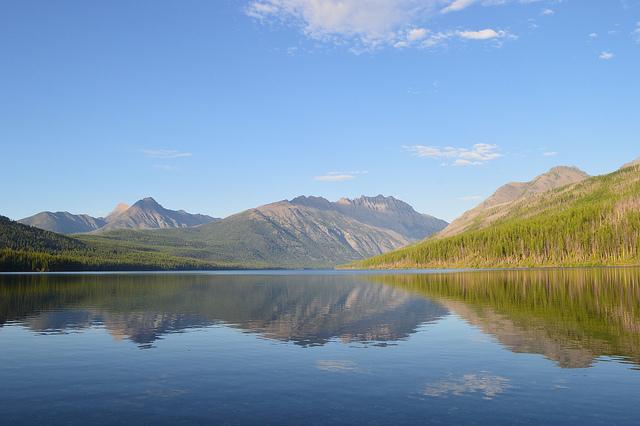
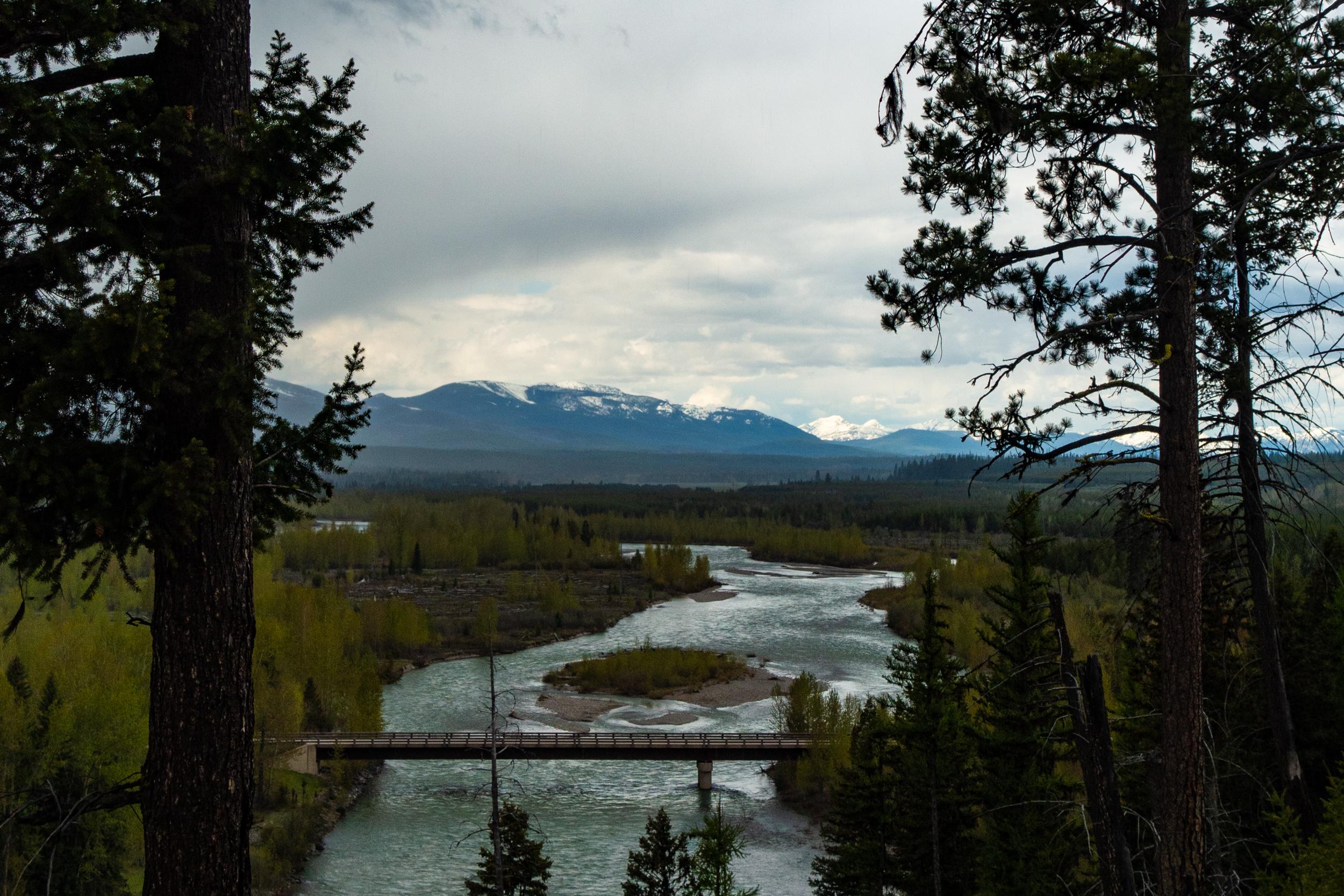
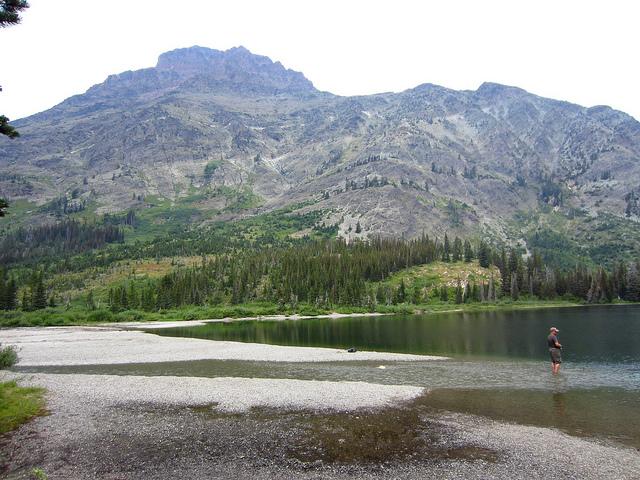
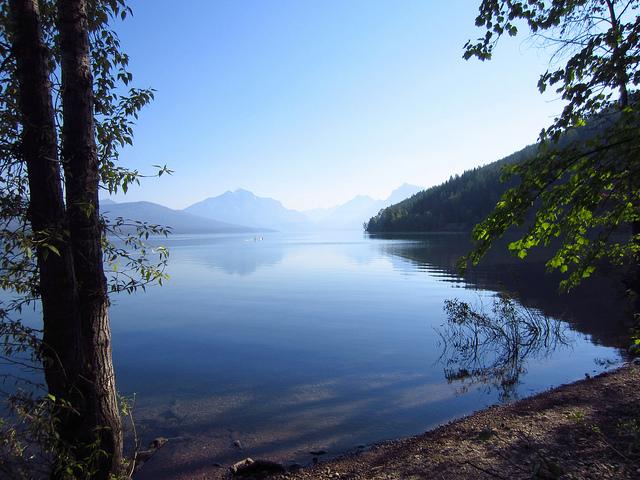
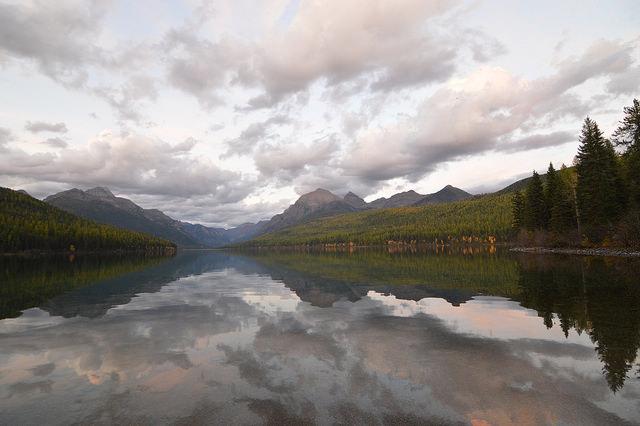
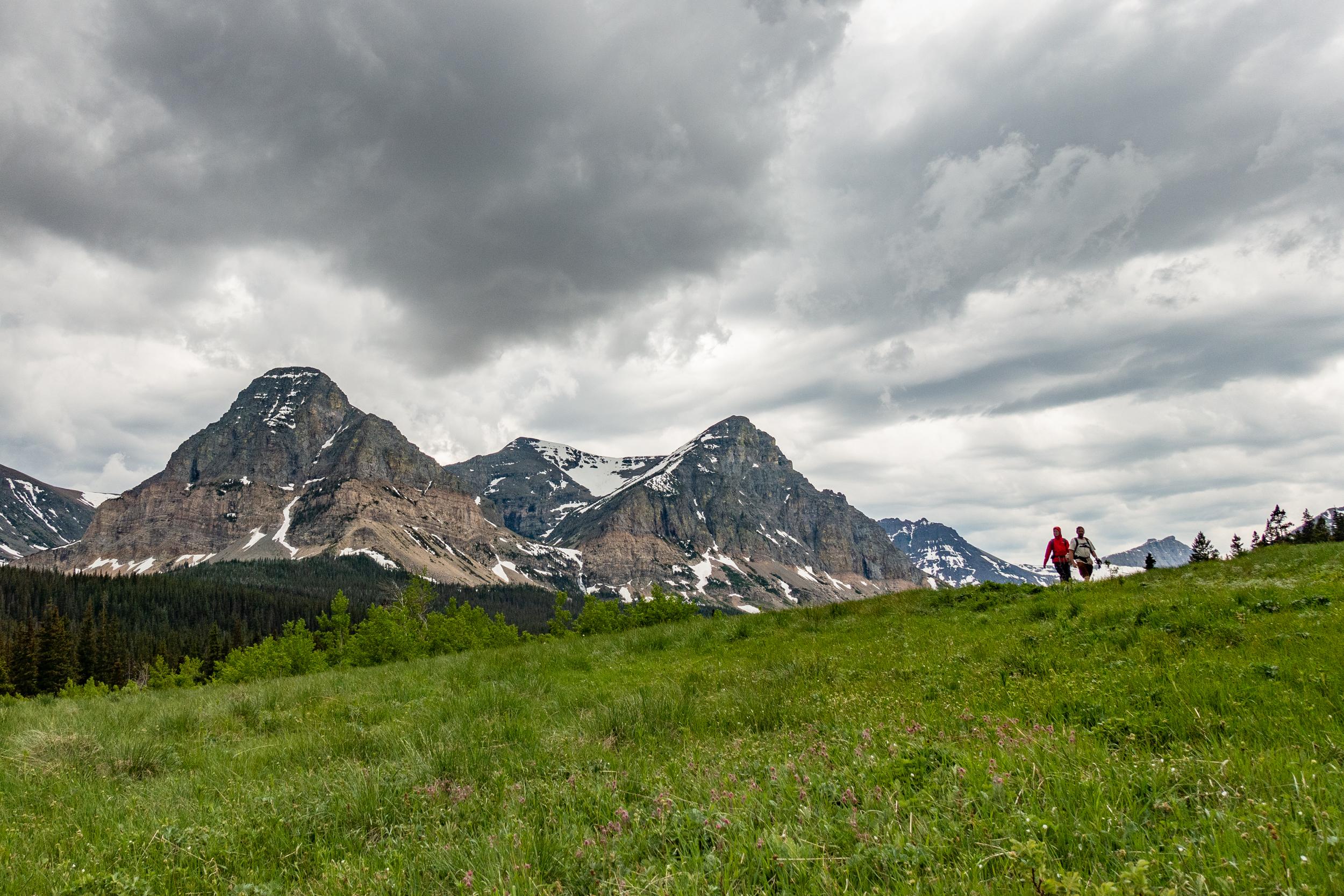
Glacier National Park protects over a million acres of the Northern Rocky Mountains in Montana, where jagged peaks, turquoise alpine lakes, and the remnants of ancient glaciers create scenery that rivals the Swiss Alps. The park straddles the Continental Divide along a spine of peaks carved by Ice Age glaciers into sharp aretes, cirques, and U-shaped valleys. Of the 150 glaciers that existed when the park was established in 1910, only 25 remain — and they are retreating fast. Going-to-the-Sun Road is the park's crown jewel: a 50-mile engineering marvel that crosses the Continental Divide at Logan Pass (6,646 feet), threading through cliff faces, past waterfalls that splash directly onto the roadway, and along glacially carved valleys with names like Avalanche Creek and Weeping Wall. The Highline Trail from Logan Pass traverses the Garden Wall with 1,000-foot drop-offs and wildflower meadows that explode with color in July and August. Grinnell Glacier Trail leads to one of the park's most accessible remaining glaciers. Glacier is grizzly bear country — the park supports one of the largest grizzly populations in the lower 48 — and bear safety is a constant consideration. Carry bear spray, hike in groups, and make noise on the trail. The park shares a border with Canada's Waterton Lakes National Park, together forming the world's first International Peace Park.

Sites available

Sites available

Sites available

Sites available

Sites available

Sites available

Sites available

Sites available

Sites available

Sites available

Sites available

Sites available

Sites available
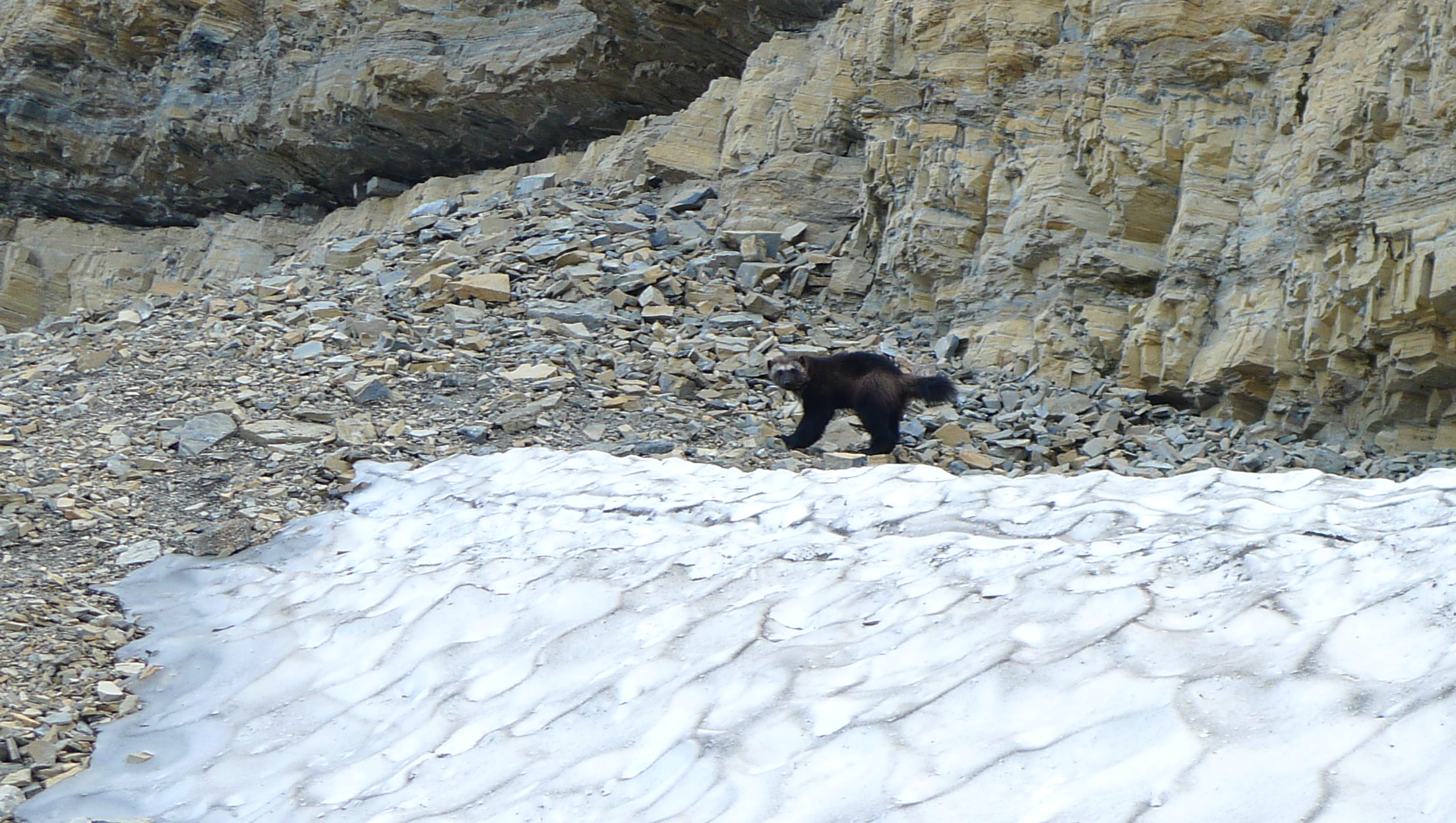
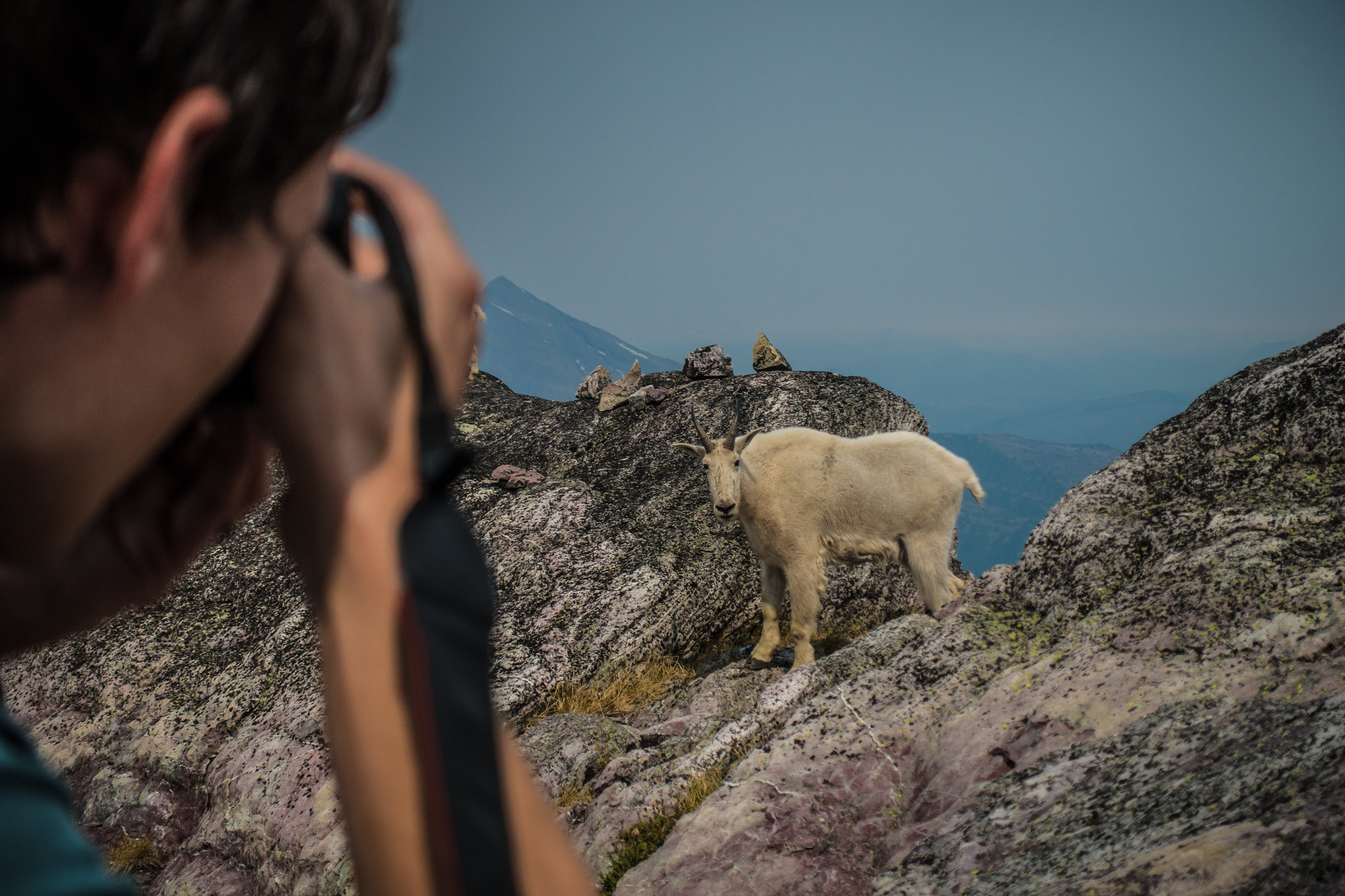
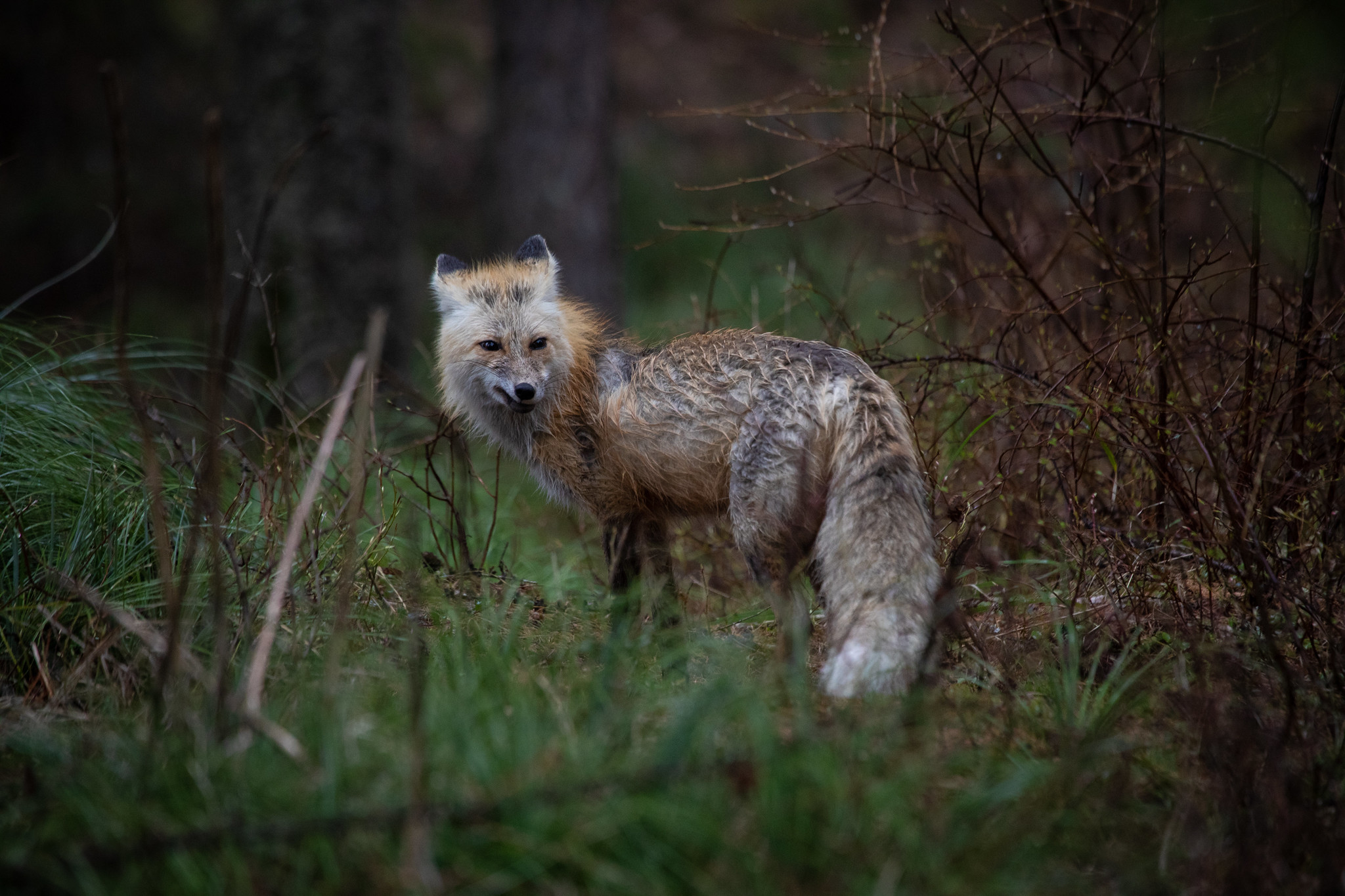
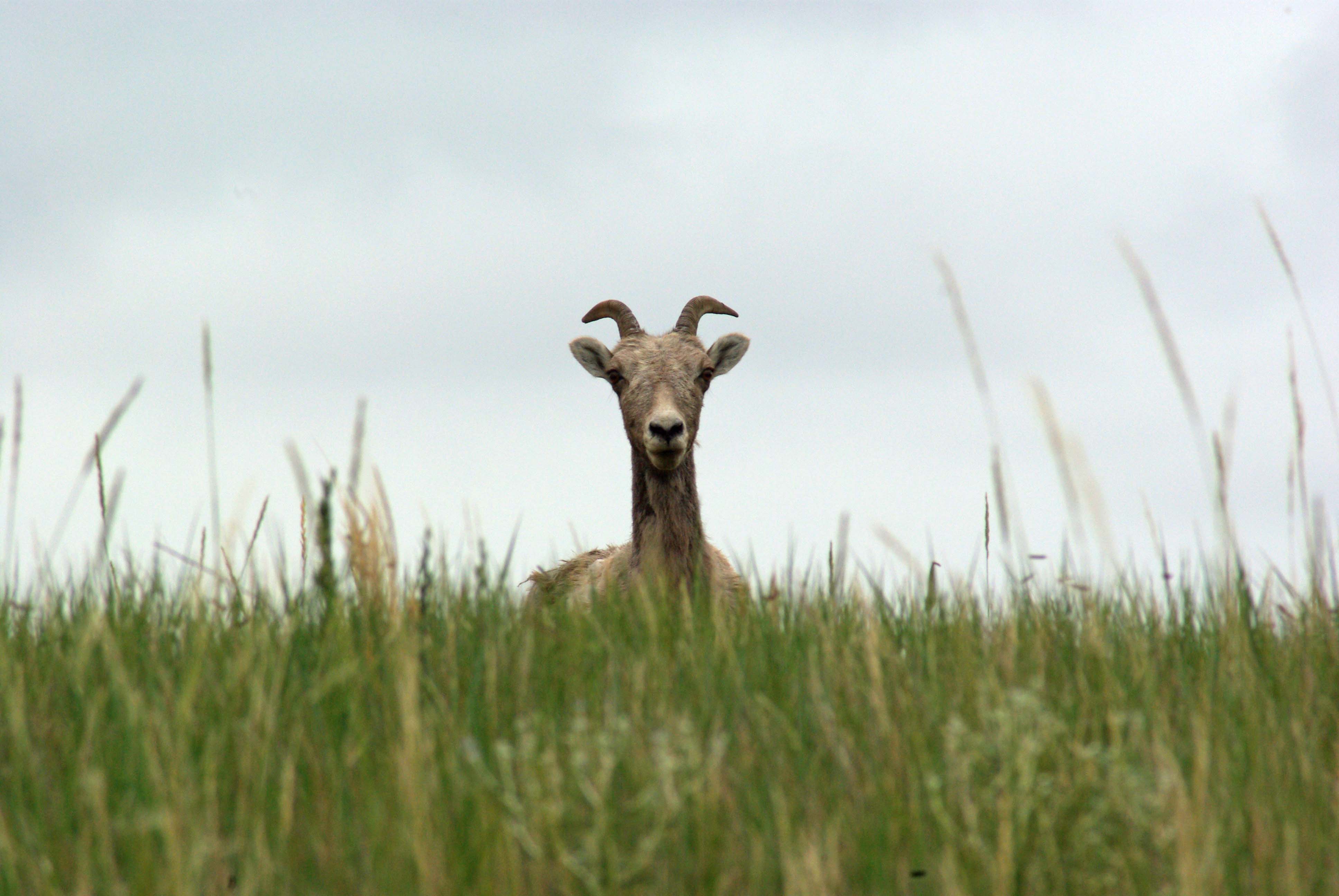
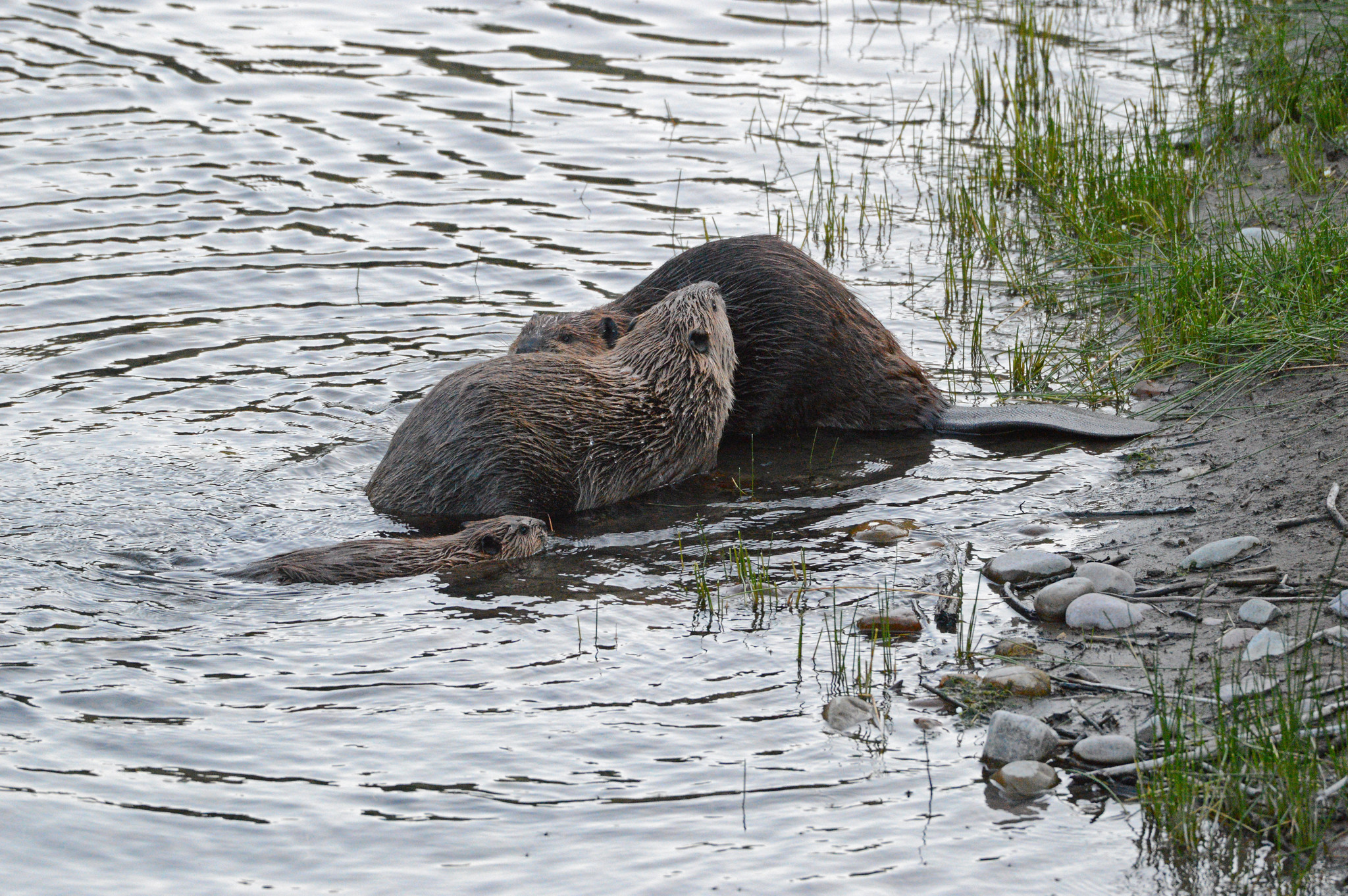
Keep an eye out for these animals during your visit:
Cool mountain summers with highs of 60-80°F and cold nights. Snow can fall any month at high elevations. Going-to-the-Sun Road typically opens mid-June to mid-July and closes mid-October.