Gates of the Arctic National Park

Gates of the Arctic

Expert Alaska

Overview

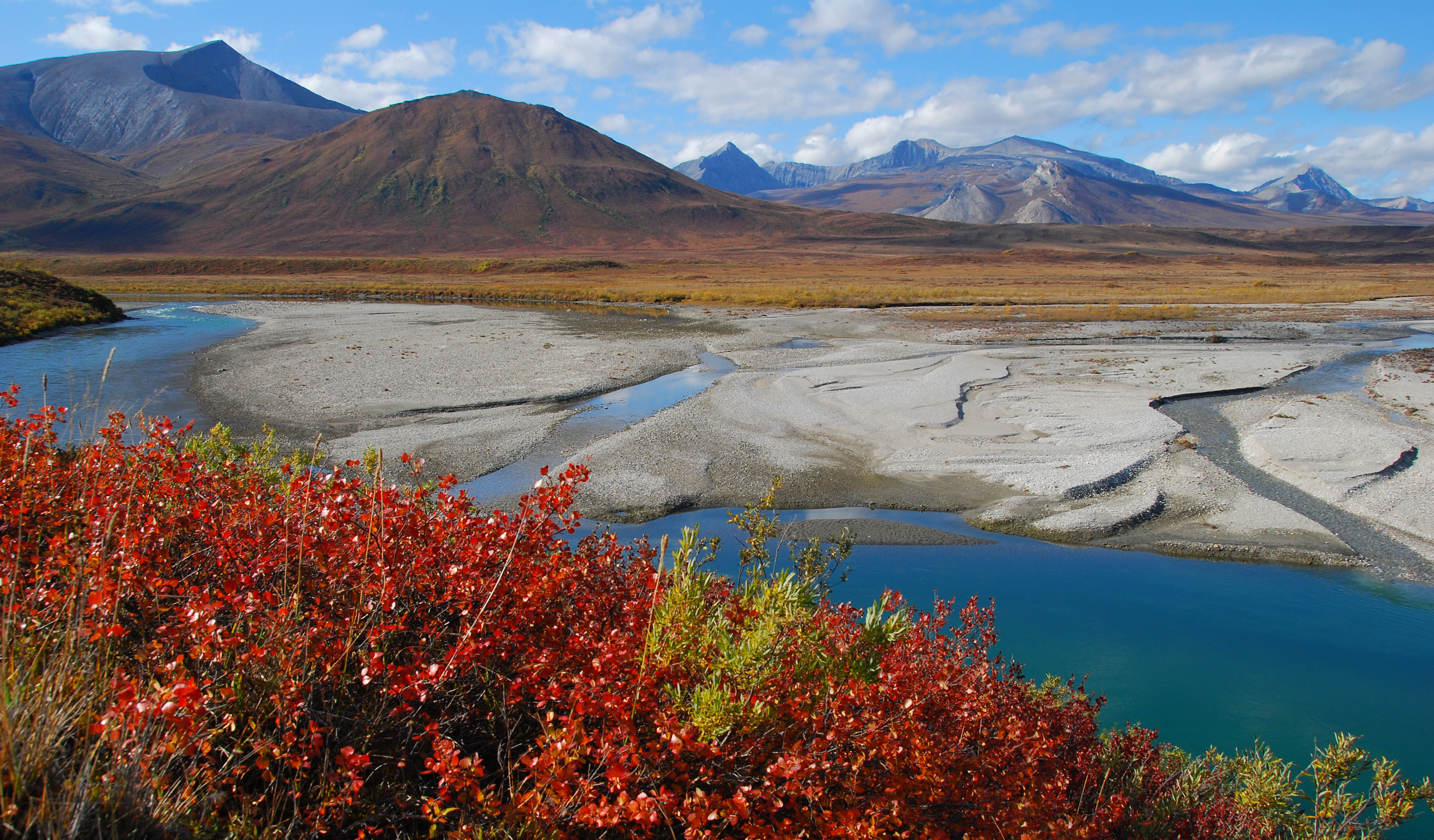
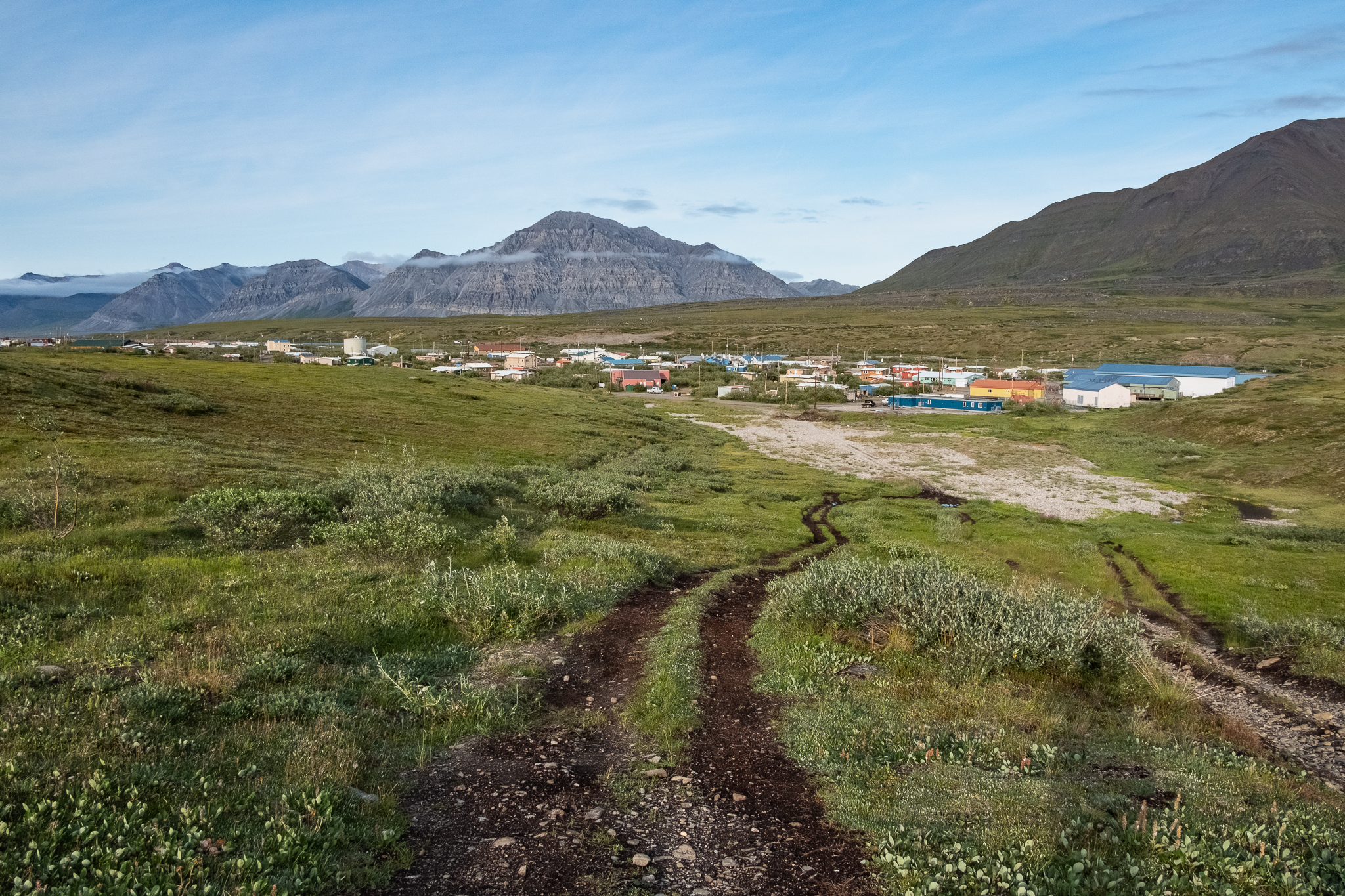
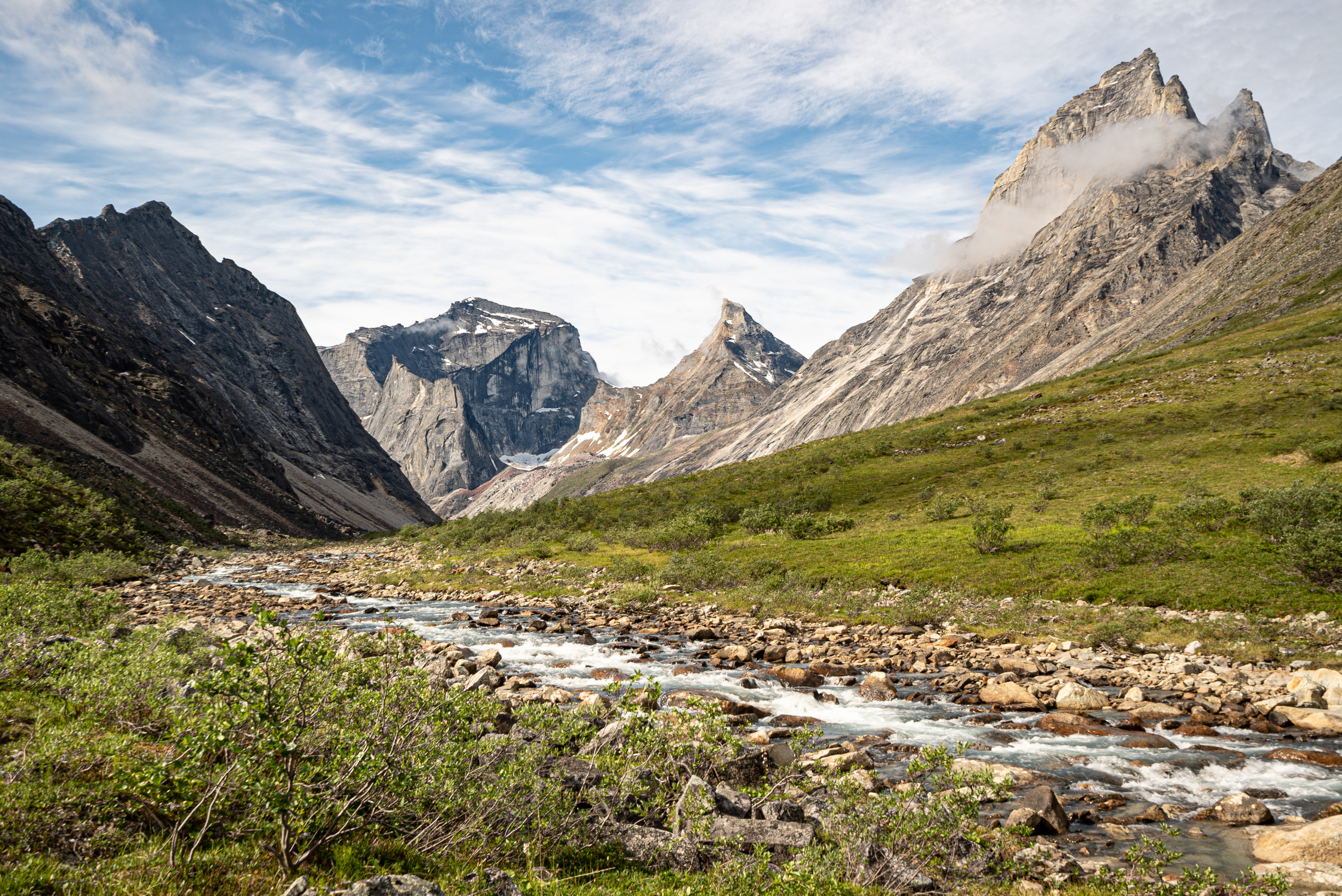
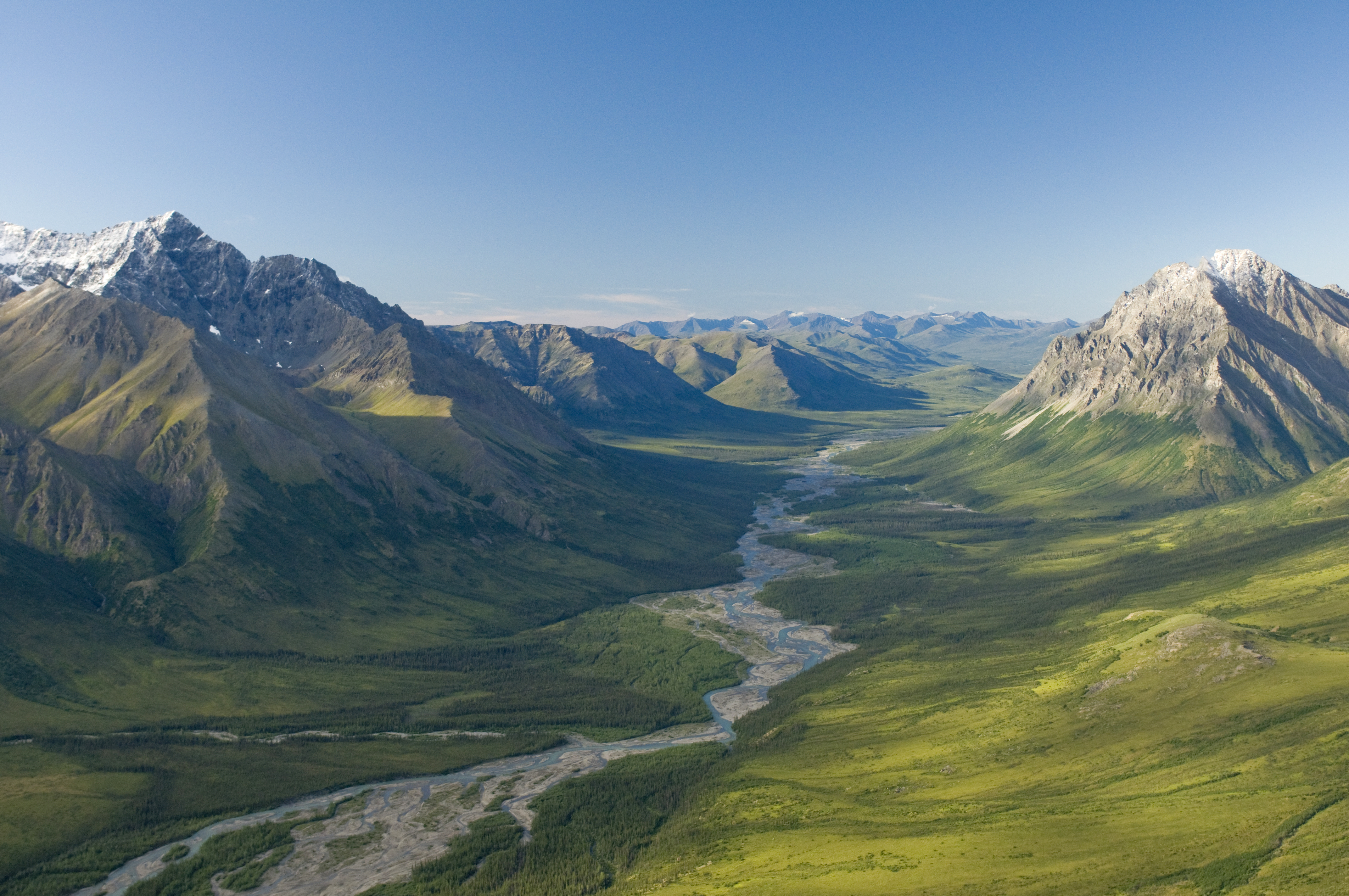
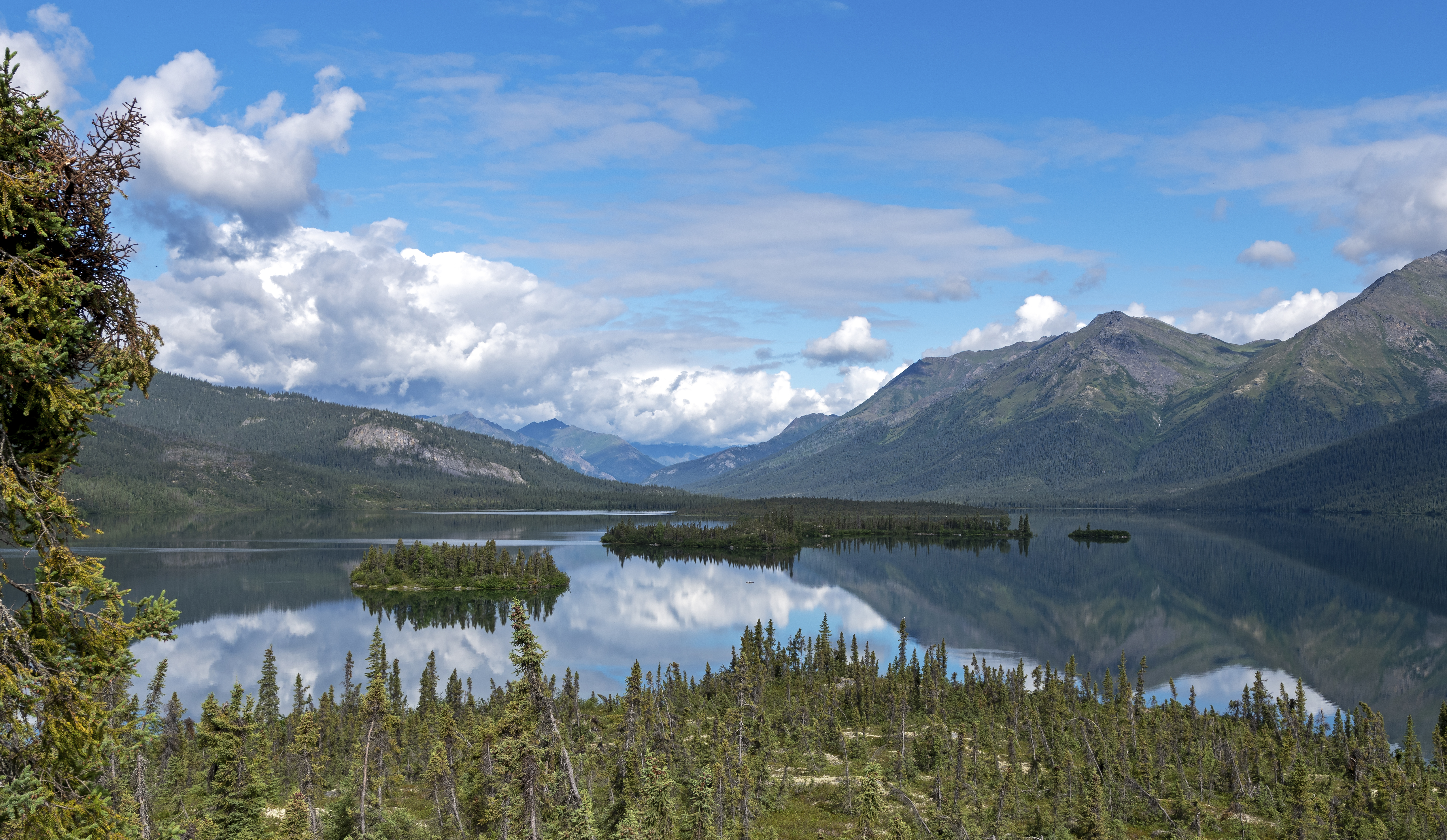
Gates of the Arctic National Park sprawls across 8.4 million acres of roadless wilderness above the Arctic Circle, making it one of the least visited and most pristine parks in the system. There are no trails, no roads, and no maintained campgrounds — just the raw Brooks Range stretching in every direction, with glacier-carved valleys, boreal spruce forests, and vast expanses of alpine tundra unmarked by human infrastructure. The park takes its name from two peaks, Frigid Crags and Boreal Mountain, that frame the North Fork of the Koyukuk River like a gateway into the Arctic. Visitors typically arrive by bush plane from Fairbanks or Bettles, landing on gravel bars or tundra strips. From there, backpacking expeditions and packraft floats through rivers like the Alatna, Noatak, and John offer total self-reliance adventure in country shared with caribou herds, grizzlies, and wolves. This park demands serious wilderness skills, cold-weather gear, and a willingness to navigate without trails. The reward is solitude on a scale almost impossible to find anywhere else on Earth. Summer visits between June and August offer the best weather, though temperatures still dip near freezing at night and rain is common.

Things to Do

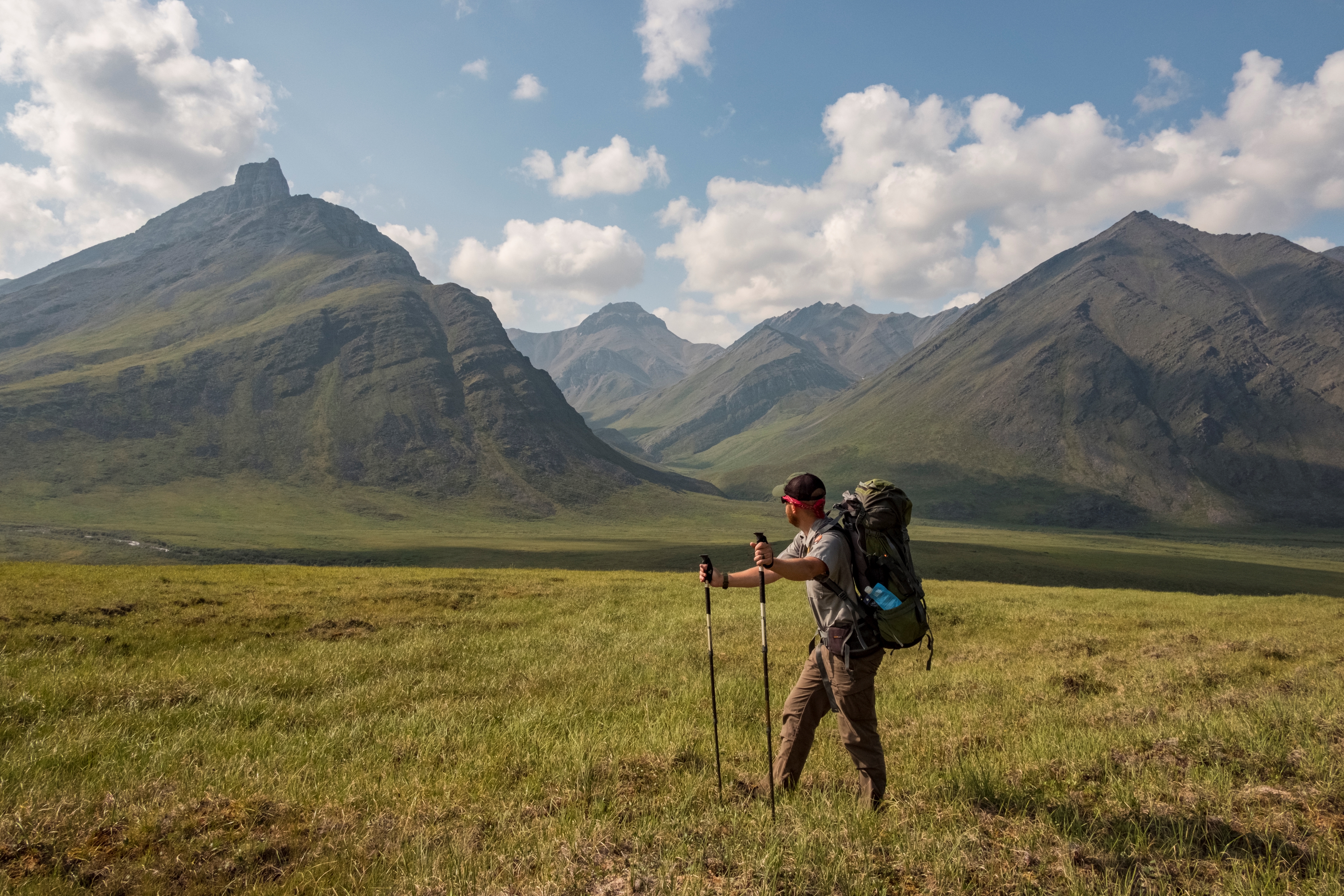
  • Backpack through the Brooks Range
  • Float the Noatak or Alatna River by packraft
  • Fly in by bush plane from Bettles
  • Photograph the midnight sun above the Arctic Circle
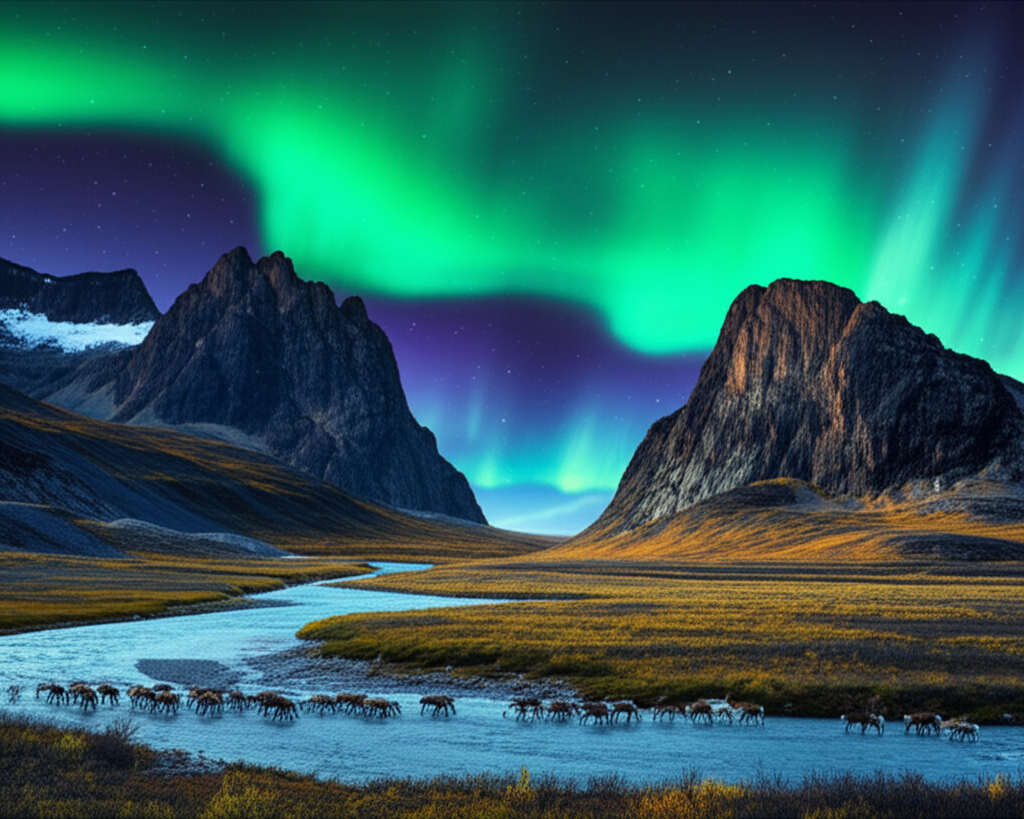
  • Observe caribou migration
  • Fish for Arctic grayling in remote streams

Wildlife

Keep an eye out for these animals during your visit:

Grizzly Bear Caribou Wolf Dall Sheep Moose Arctic Fox Wolverine

Pro Tips

  • 💡 This is a fly-in only park — book a bush pilot from Bettles or Coldfoot well in advance
  • 💡 Bring a satellite communicator; there is zero cell service anywhere in the park
  • 💡 Plan for complete self-sufficiency including bear-proof food storage
  • 💡 The Bettles Ranger Station is essential for trip planning and bear canister loans
  • 💡 River crossings can be dangerous after rain — carry trekking poles and water shoes

Weather & Best Time to Visit

Arctic conditions prevail year-round. Summer highs reach 50-70°F but nights hover near freezing. Winter temperatures drop to -40°F or colder with limited daylight.

Best seasons: Summer